Fragments/Breakdowns

  • 29genuary25
  • 09flare
  • 05dawnFree
  • 08imaginary
  • 10cascade
  • 05warp
  • 05eidolon
  • 06arcs
  • 02mesh
  • 07formation
  • 08shift
  • 05abiogenic
  • 10gravity
  • 05slate
  • 07bands
  • 21genuary26
  • 08nebulaNew
  • 05penumbraNew
  • 08singularityNew
  • 08emergeNew

Join waitlist ↵

Explore detailed breakdowns of every shader.

    emerge8

    • Loading...
    • Loading...
    • Loading...
    • Loading...
    • Loading...
    • Loading...
    • Loading...
    • Loading...
    singularity8

    • Loading...
    • Loading...
    • Loading...
    • Loading...
    • Loading...
    • Loading...
    • Loading...
    • Loading...

    penumbra5

    • Loading...
    • Loading...
    • Loading...
    • Loading...
    • Loading...

    nebula8

    • Loading...
    • Loading...
    • Loading...
    • Loading...
    • Loading...
    • Loading...
    • Loading...
    • Loading...

    genuary2621

    • Loading...
    • Loading...
    • Loading...
    • Loading...
    • Loading...
    • Loading...
    • Loading...
    • Loading...
    • Loading...
    • Loading...
    • Loading...
    • Loading...
    • Loading...
    • Loading...
    • Loading...
    • Loading...
    • Loading...
    • Loading...
    • Loading...
    • Loading...
    • Loading...

    bands7

    • Loading...
    • Loading...
    • Loading...
    • Loading...
    • Loading...
    • Loading...
    • Loading...

    slate5

    • Loading...
    • Loading...
    • Loading...
    • Loading...
    • Loading...

    gravity10

    • Loading...
    • Loading...
    • Loading...
    • Loading...
    • Loading...
    • Loading...
    • Loading...
    • Loading...
    • Loading...
    • Loading...

    abiogenic5

    • Loading...
    • Loading...
    • Loading...
    • Loading...
    • Loading...

    shift8

    • Loading...
    • Loading...
    • Loading...
    • Loading...
    • Loading...
    • Loading...
    • Loading...
    • Loading...

    formation7

    • Loading...
    • Loading...
    • Loading...
    • Loading...
    • Loading...
    • Loading...
    • Loading...

    mesh2

    • Loading...
    • Loading...

    arcs6

    • Loading...
    • Loading...
    • Loading...
    • Loading...
    • Loading...
    • Loading...

    eidolon5

    • Loading...
    • Loading...
    • Loading...
    • Loading...
    • Loading...

    warp5

    • Loading...
    • Loading...
    • Loading...
    • Loading...
    • Loading...

    cascade10

    • Loading...
    • Loading...
    • Loading...
    • Loading...
    • Loading...
    • Loading...
    • Loading...
    • Loading...
    • Loading...
    • Loading...

    imaginary8

    • Loading...
    • Loading...
    • Loading...
    • Loading...
    • Loading...
    • Loading...
    • Loading...
    • Loading...

    dawn5

    • Loading...
    • Loading...
    • Loading...
    • Loading...
    • Loading...

    flare9

    • Loading...
    • Loading...
    • Loading...
    • Loading...
    • Loading...
    • Loading...
    • Loading...
    • Loading...
    • Loading...

    genuary2529

    • Loading...
    • Loading...
    • Loading...
    • Loading...
    • Loading...
    • Loading...
    • Loading...
    • Loading...
    • Loading...
    • Loading...
    • Loading...
    • Loading...
    • Loading...
    • Loading...
    • Loading...
    • Loading...
    • Loading...
    • Loading...
    • Loading...
    • Loading...
    • Loading...
    • Loading...
    • Loading...
    • Loading...
    • Loading...
    • Loading...
    • Loading...
    • Loading...
    • Loading...
Works171
Writing34

Fragments

Learn creative coding with shaders. For design engineers, creative coders and shader artists: techniques, tools, deep dives. Powered by ThreeJS and TSL.

Loading...

2025 Phobon

phobon.ioShadercraft

Pages

HomeTechniquesUtilitiesBreakdownsWorksWriting

Contact

X @thenoumenonhey@fragments.supplyOKAY DEV @phobon
All rights reserved.
sketches/emerge-1.webp

Emerge 1

Conway's Game of Life on a GPU grid: cells flip on neighbor counts so you get gliders, blinkers, and open-ended motion from simple rules.

New
sketches/emerge-2.webp

Emerge 2

A diamond-shaped window into a different cellular automaton than the others—same pixel grid idea, unfamiliar rhythms and structures.

New
sketches/emerge-3.webp

Emerge 3

Infection-style rules: live cells spread like contagion with a death threshold, so clusters grow, collide, and sometimes burn out.

New
sketches/emerge-4.webp

Emerge 4

Each row reads the line above and picks a horizontal majority, so the image advances downward in wide, stripey bands instead of local Life.

New
sketches/emerge-5.webp

Emerge 5

Tight seeds that explode into dense patterns fast. Colors come from a random palette so every refresh looks like a new lottery ticket.

New
sketches/emerge-6.webp

Emerge 6

The next frame XORs the north, west, and east neighbors—crisp regular textures rather than soft, biology-like Life growth.

New
sketches/emerge-7.webp

Emerge 7

Close to Game of Life: survivors still need two or three neighbors, but births only happen when exactly three neighbors are live.

New
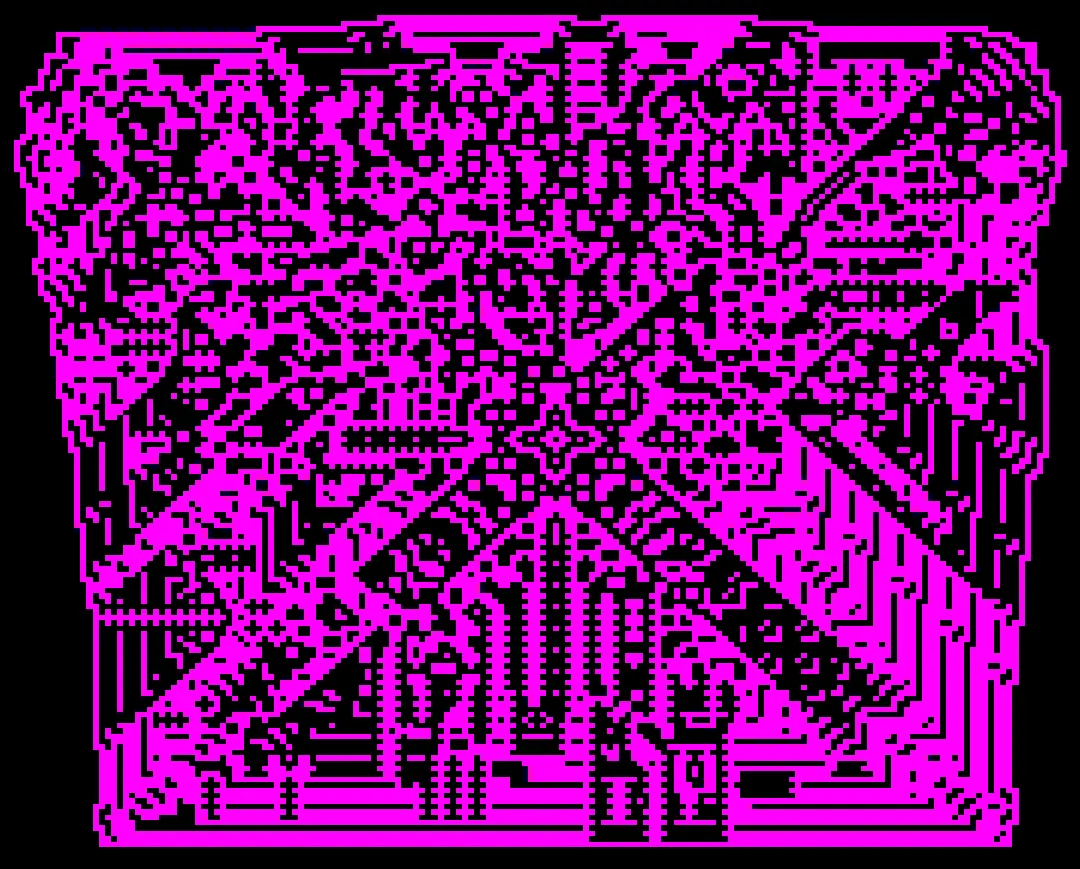
sketches/emerge-8.webp

Emerge 8

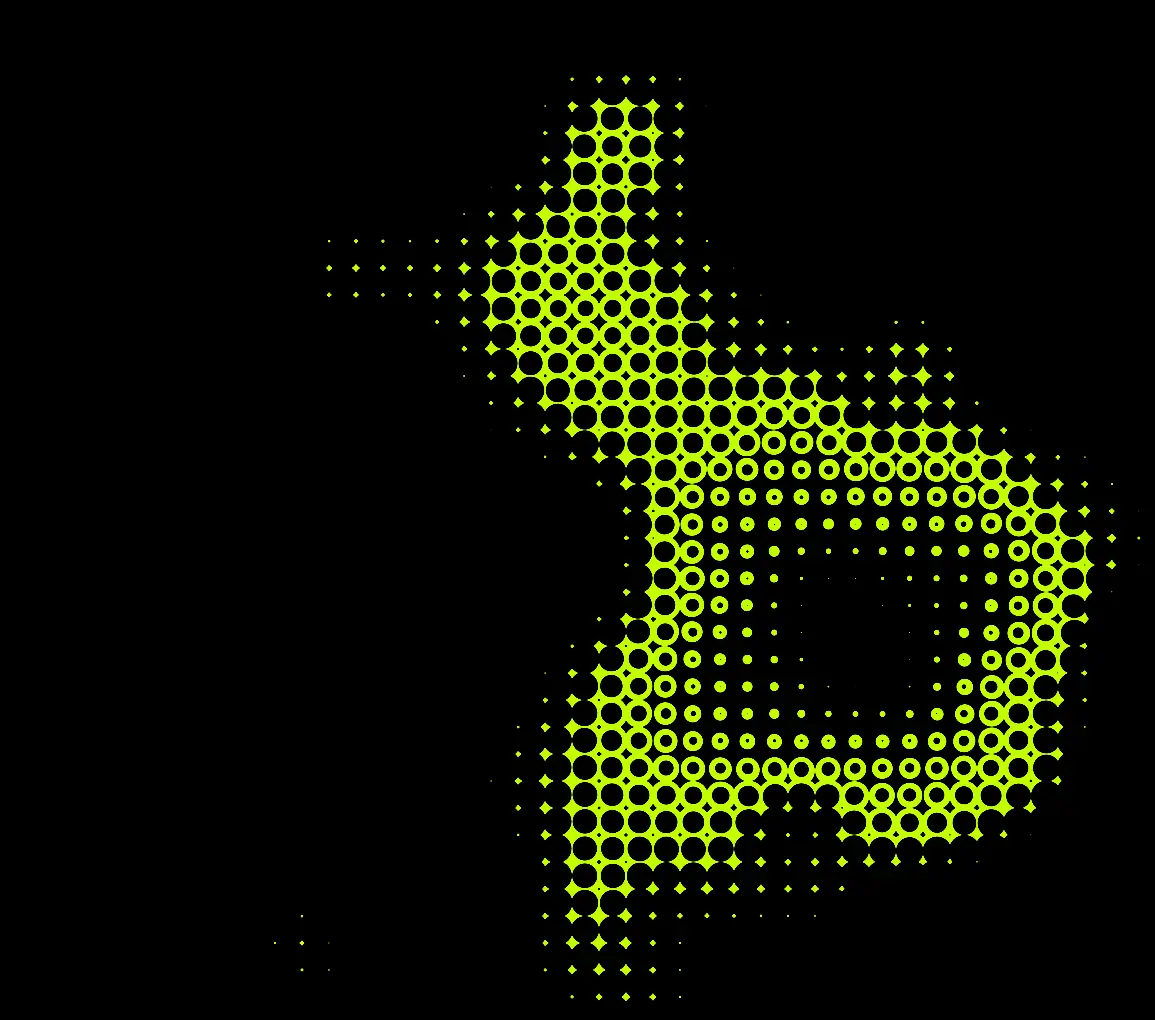
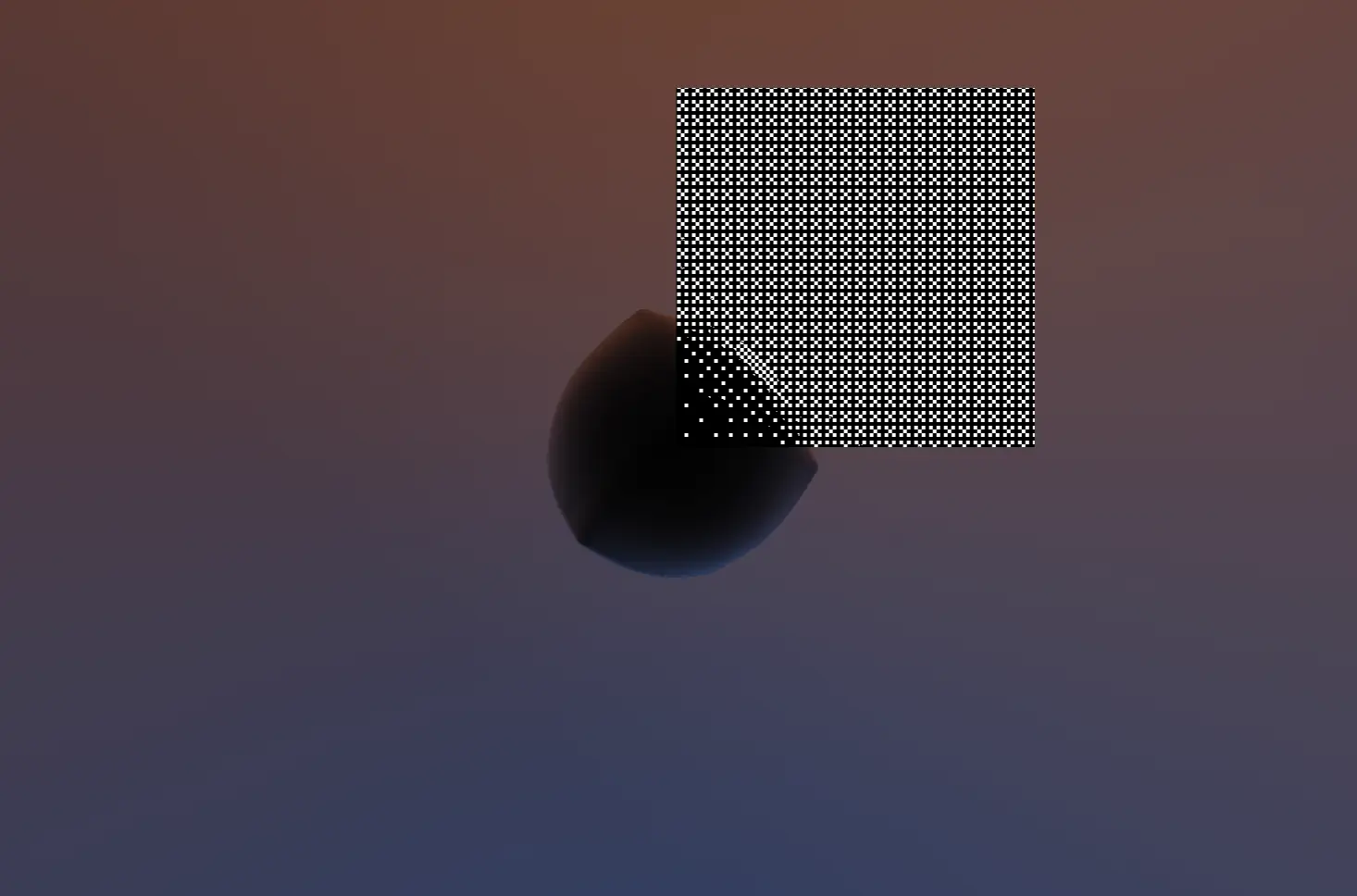
Survival dynamics mixed with striped interference in the output, plus a new color scheme each time the sketch loads.

New
sketches/singularity-1.webp

Singularity 1

Warm coral and amber light in volumetric layers. Soft pools of brightness where the density changes, like fog lit from inside.

New
sketches/singularity-2.webp

Singularity 2

Slow color shifts in mostly dark space. The haze thickens and thins as you move, so each view feels slightly different.

New
sketches/singularity-3.webp

Singularity 3

A dark center with a thin ring of glow around it. Faint wisps at the rim before the light drops off into black.

New
sketches/singularity-4.webp

Singularity 4

Cool purples and muted highlights with visible grain. You read depth from tone and texture more than from crisp geometry.

New
sketches/singularity-5.webp

Singularity 5

Diagonal bands of intense color across the frame. Saturated streaks move through the volume with fast sideways motion.

New
sketches/singularity-6.webp

Singularity 6

Repeating shapes at different sizes plus gentle swirling motion. Foreground haze and background detail trade attention over time.

New
sketches/singularity-7.webp

Singularity 7

One strong beam on a near-black field. Surrounding grain and spill stay subordinate so the ray stays the clear focal point.

New
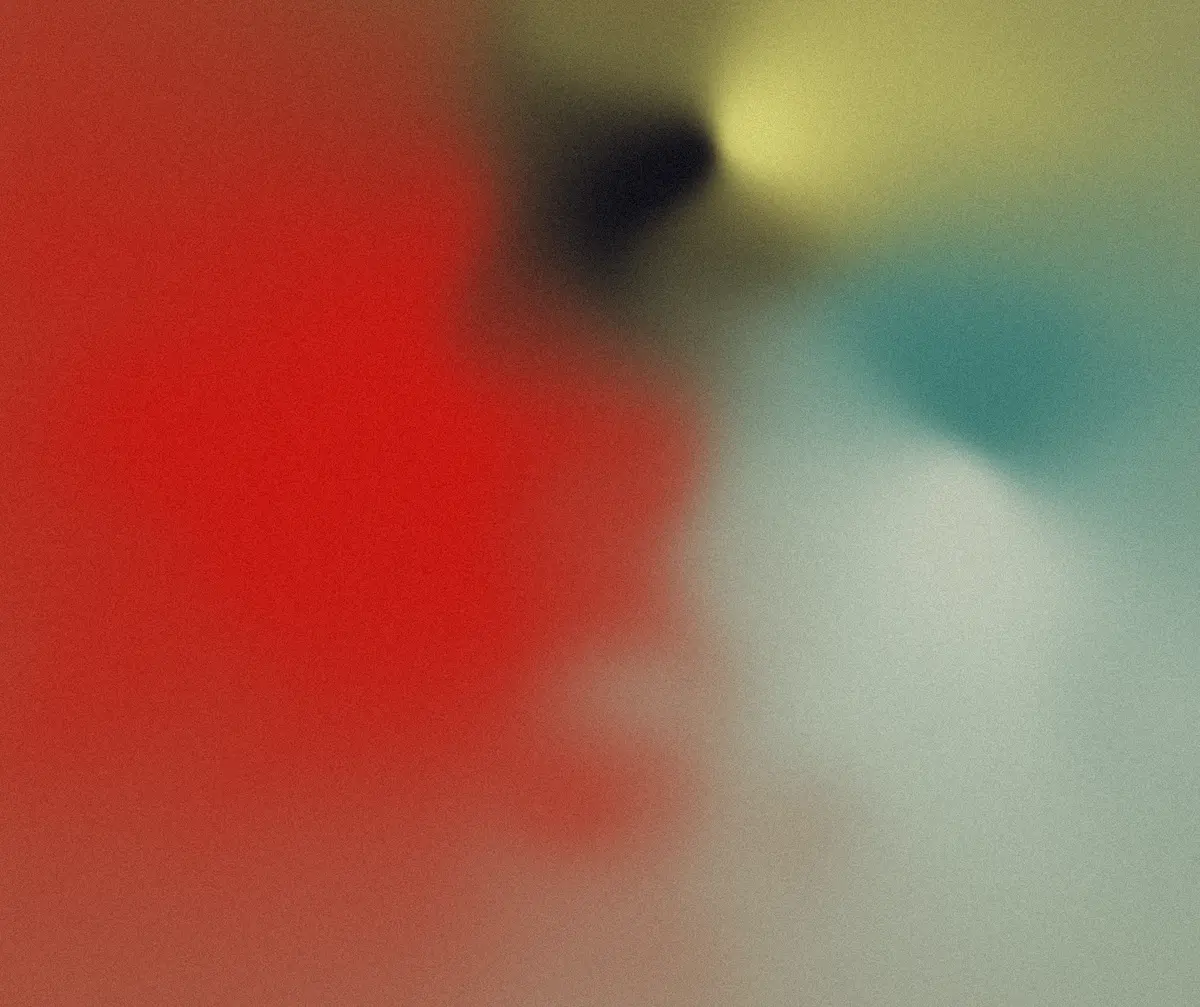
sketches/singularity-8.webp

Singularity 8

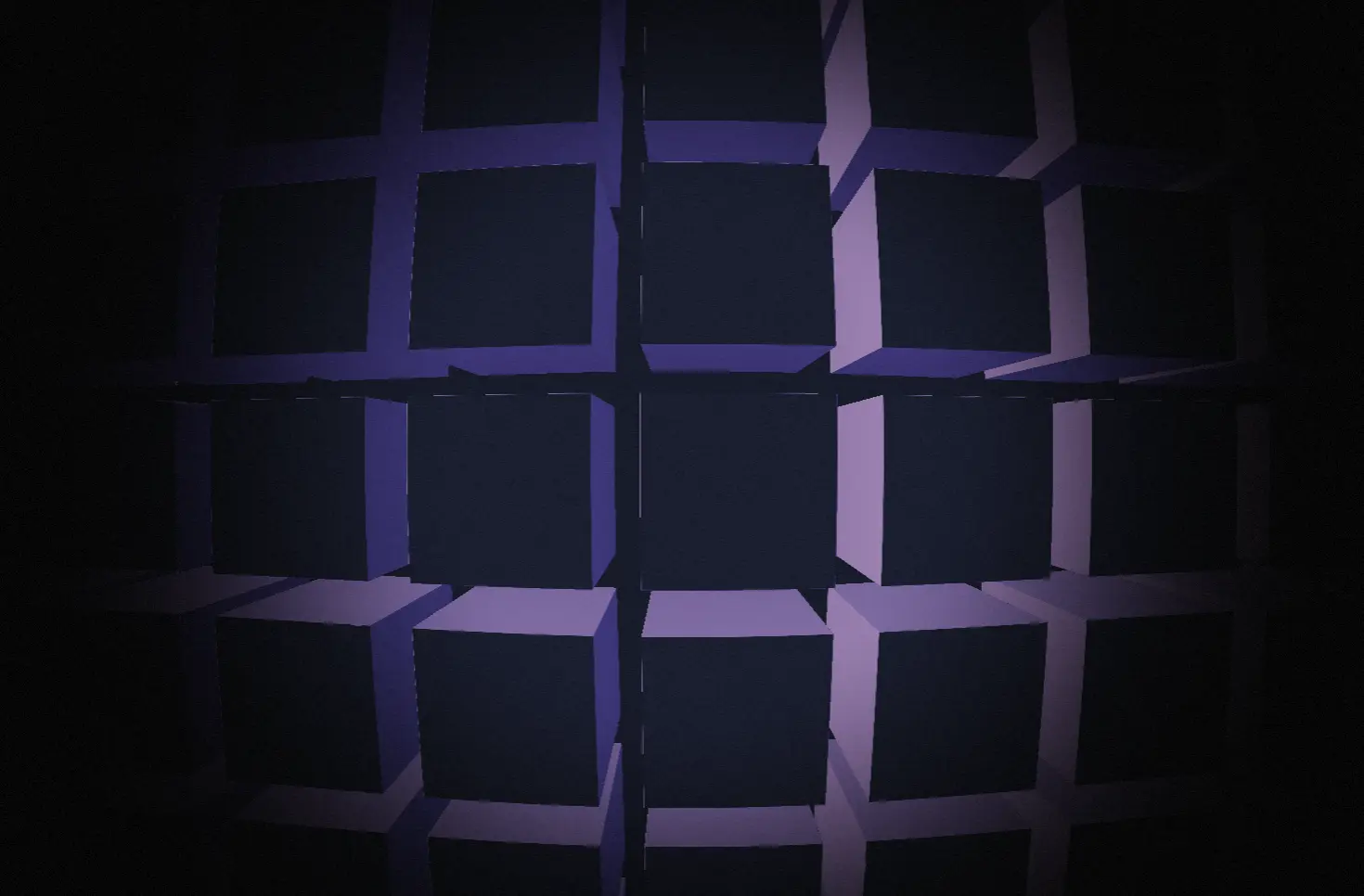
Bright core with stacked fog sheets. The hotspot builds, holds, then relaxes into a calm dark fade instead of a hard cut.

New
sketches/penumbra-1.webp

Penumbra 1

Raymarched fractals with a procedural palette, inspired by XorDev. Soft volumetric fog stacks in layers so distance reads more like air than a flat plane.

New
sketches/penumbra-2.webp

Penumbra 2

Self-similar ridges at a few scales, with colors cycling through dusk-like tones. Glow stays in the gaps between folds instead of on the edges.

New
sketches/penumbra-3.webp

Penumbra 3

Thick fog hides fine detail, leaving silhouettes and smooth gradients. Darker areas feel further away even when the layout is similar.

New
sketches/penumbra-4.webp

Penumbra 4

Light-to-dark transitions stay soft: bright regions taper into shadow instead of a sharp line, so the blend zone does most of the work.

New
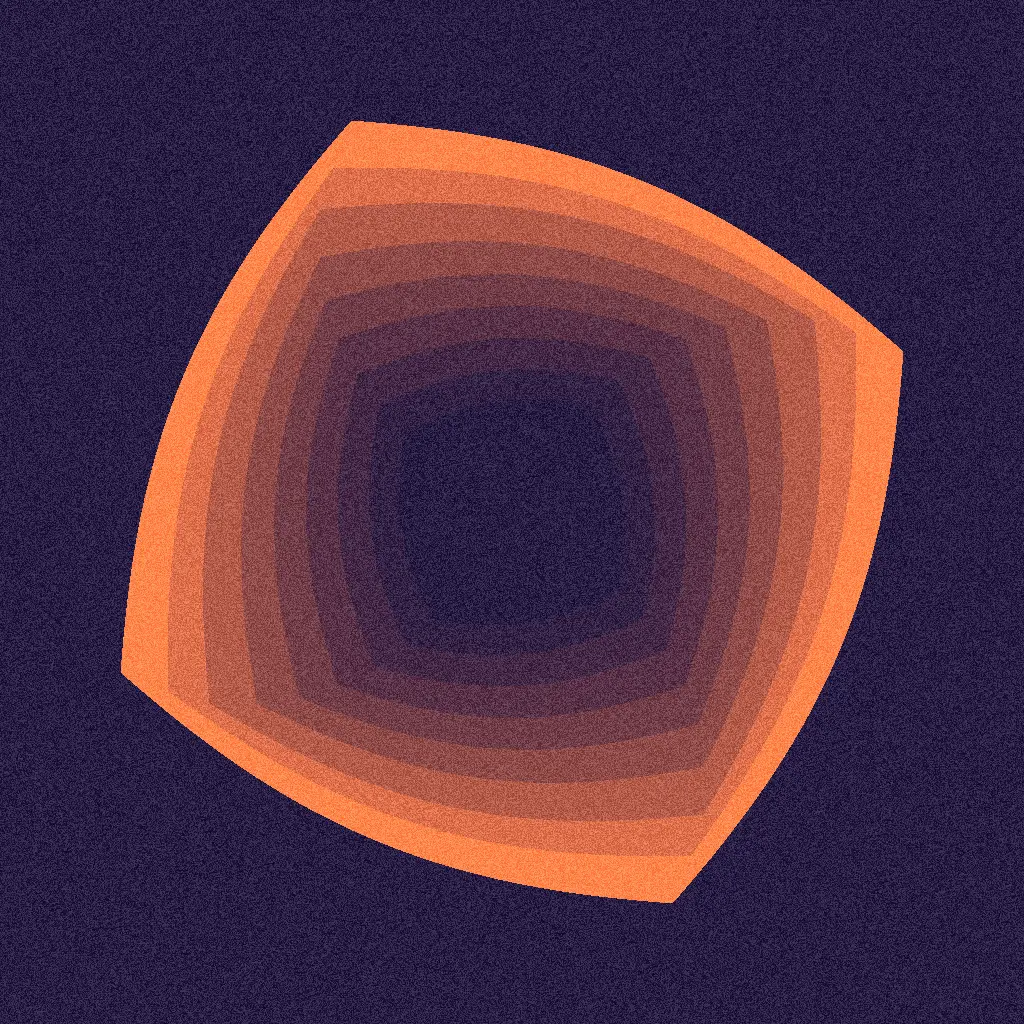
sketches/penumbra-5.webp

Penumbra 5

Layers align into one strong bright band. The noisy fractal detail eases off into a quieter, lower-contrast finish by the end.

New
sketches/nebula-1.webp

Nebula 1

Raymarched gas clouds with soft density noise. Light scatters through the volume so bright knots float in deep, low-contrast space.

New
sketches/nebula-2.webp

Nebula 2

Layered fog sheets stack at different depths. Foreground haze moves faster than the back so parallax reads even without hard shapes.

New
sketches/nebula-3.webp

Nebula 3

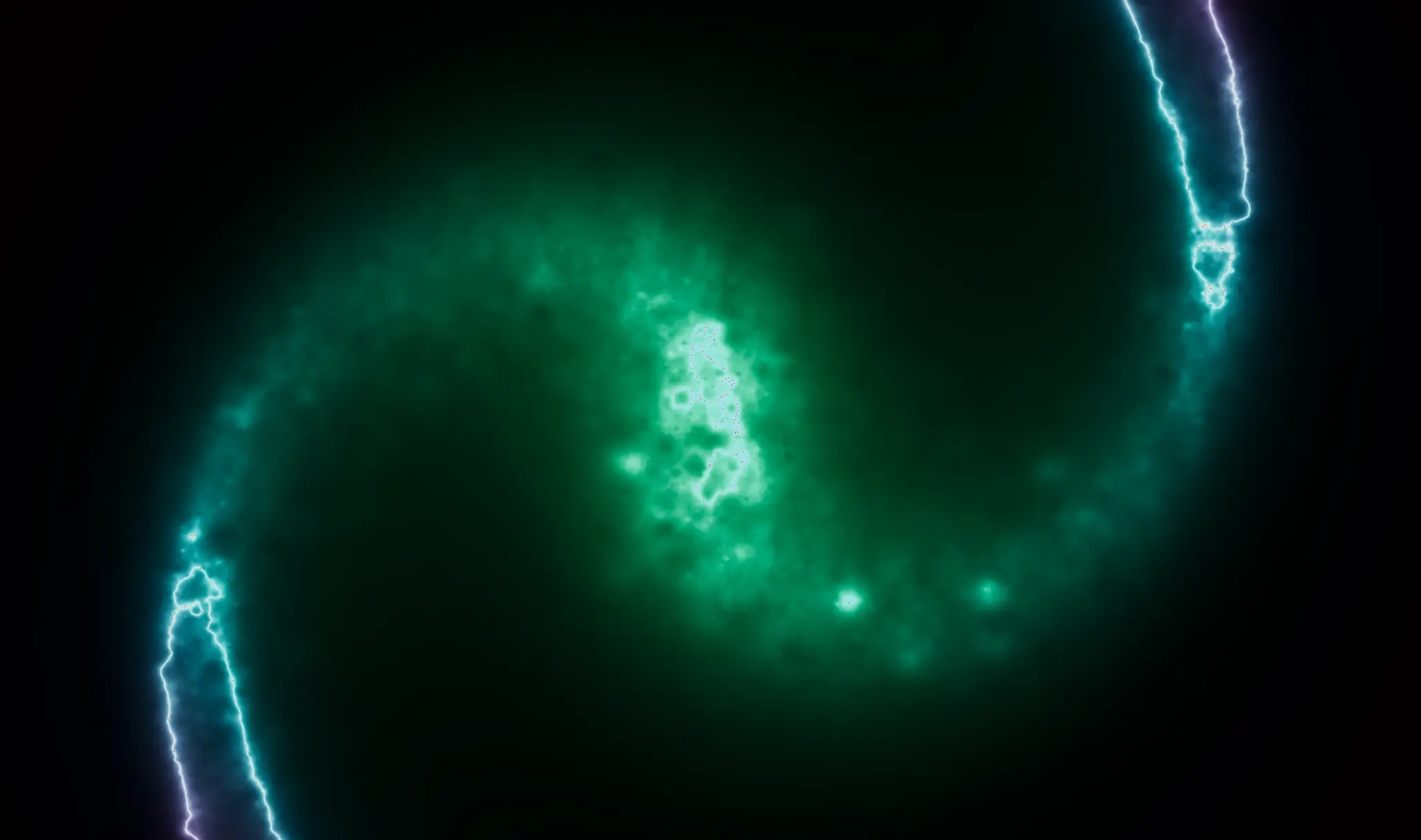
Cool teal and blue tones dominate; fine grain in the dark reads like sensor noise against smooth, billowing emission.

New
sketches/nebula-4.webp

Nebula 4

Warm amber and rose bands shear sideways, like dust lanes catching light. Motion stays broad instead of pin-sharp detail.

New
sketches/nebula-5.webp

Nebula 5

A brighter core region with fainter tendrils reaching out. Contrast is highest near the center and falls off toward the edges.

New
sketches/nebula-6.webp

Nebula 6

Chaotic curls and pockets of turbulence; brightness pools in hollows then tears away in thin streaks on the next beat.

New
sketches/nebula-7.webp

Nebula 7

Long horizontal sheets of glow separated by darker gaps. The layout feels calmer and more graphic than turbulent storm clouds.

New
sketches/nebula-8.webp

Nebula 8

Final balance of color and fog: highlights tighten, overall density eases off, and the frame settles into a quiet outer rim fade.

New
sketches/genuary26-1.webp

Genuary 1

Minimalist composition exploring the power of simplicity through a single geometric form rendered in monochrome creating elegant visual harmony.

sketches/genuary26-2.webp

Genuary 2

Exploring the twelve fundamental principles of animation through procedural motion and timing creating dynamic visual narratives in generative art.

sketches/genuary26-3.webp

Genuary 3

Genuary 3: Fibonacci Forever. Mathematical sequence visualization through recursive patterns creating natural spirals and golden ratio compositions.

sketches/genuary26-4.webp

Genuary 4

Genuary 4: Lowres. Selective pixellation applied to high-luminosity areas creating contrast between detailed and pixelated regions through shader techniques.

sketches/genuary26-5.webp

Genuary 5

Genuary 5: Write "Genuary". Typographic exploration avoiding traditional fonts, creating letterforms through procedural shapes and geometric construction.

sketches/genuary26-6.webp

Genuary 6

Genuary 6: Lights on/off. Interactive visualization that transforms when digital lights switch, exploring binary states and dramatic visual transitions.

sketches/genuary26-7.webp

Genuary 7

Genuary 7: Boolean algebra. Logical operations visualized through geometric patterns and set theory creating structured compositions from mathematical concepts.

sketches/genuary26-8.webp

Genuary 8

Genuary 8: A City. Procedural metropolis generation through domain repetition and SDF buildings creating urban landscapes with architectural variety.

sketches/genuary26-9.webp

Genuary 9

Genuary 9: Crazy automaton. Cellular automata with unconventional rules creating emergent patterns and unexpected behaviors through iterative computation.

sketches/genuary26-12.webp

Genuary 12

Genuary 12: Boxes only. Geometric constraint study using exclusively rectangular forms to build complex compositions through repetition and variation.

sketches/genuary26-13.webp

Genuary 13

Genuary 13: Self portrait. Generative self-representation through algorithmic interpretation creating abstract visual identity from procedural patterns.

sketches/genuary26-14.webp

Genuary 14

Genuary 14: Everything fits perfectly. Precision alignment study where geometric elements interlock seamlessly creating harmonious spatial relationships.

sketches/genuary26-17.webp

Genuary 17

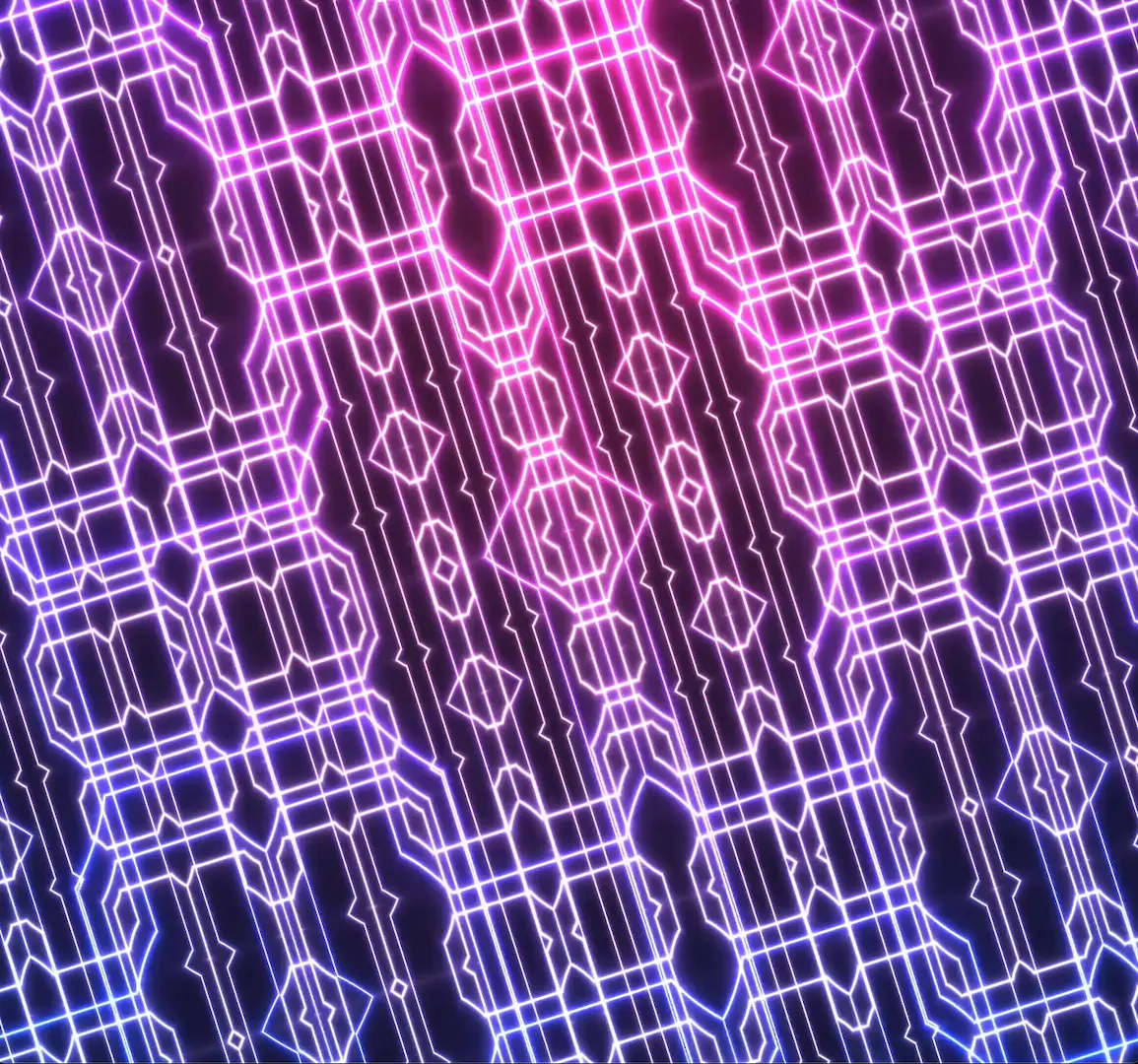
Genuary 17: Wallpaper group. There are only 17 ways to cover a plane with a repeating pattern — choose your favourite.

sketches/genuary26-19.webp

Genuary 19

Genuary 19: 16x16. Extreme constraint working within a tiny grid creating pixel art aesthetics through minimal resolution and maximum creativity.

sketches/genuary26-20.webp

Genuary 20

Genuary 20: One line. Continuous path artwork exploring the complexity possible within a single unbroken stroke creating intricate visual narratives.

sketches/genuary26-21.webp

Genuary 21

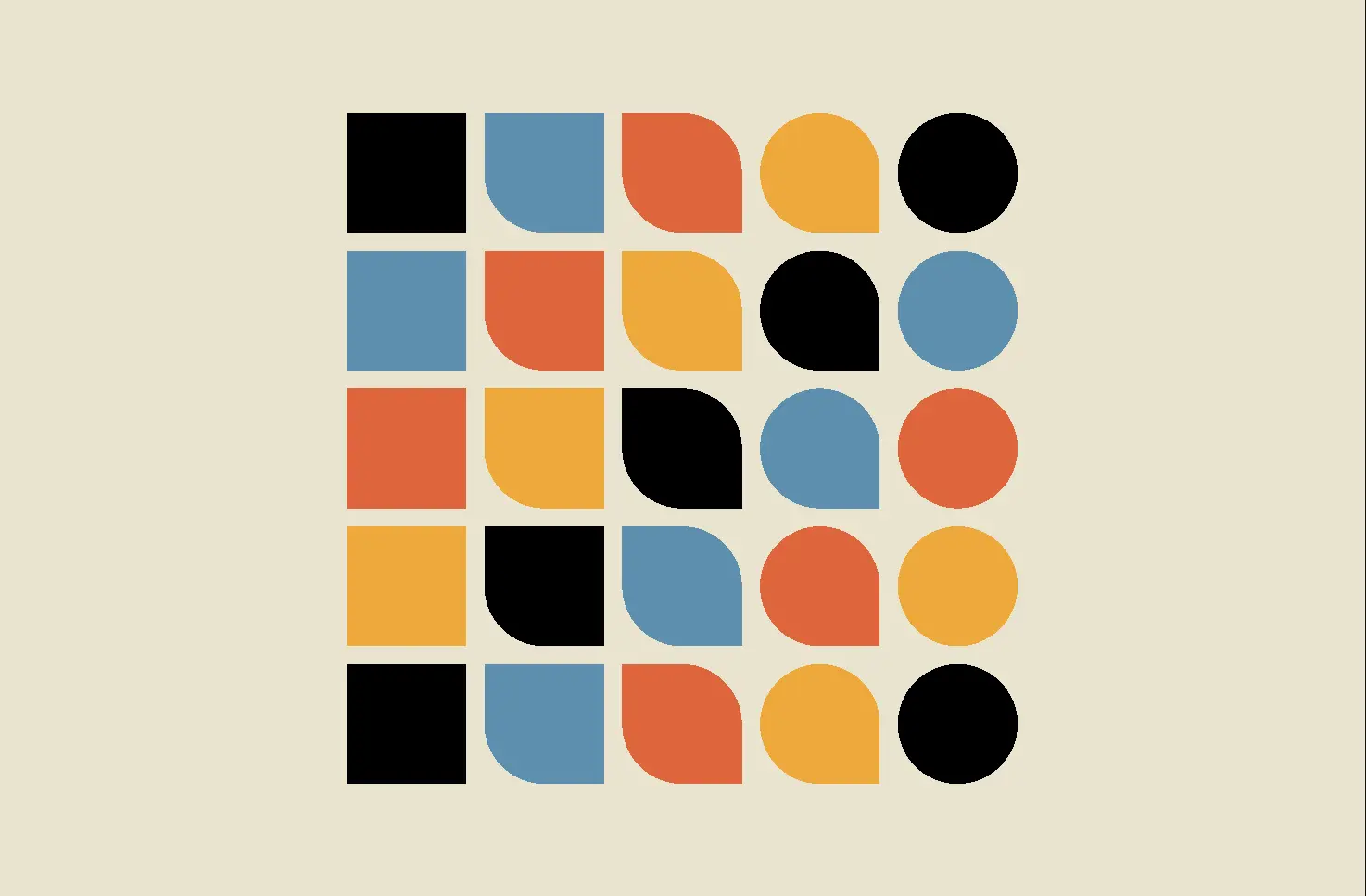
Genuary 21: Bauhaus Poster. Design principles from the German art school creating geometric compositions with bold colors and functional aesthetics.

sketches/genuary26-23.webp

Genuary 23

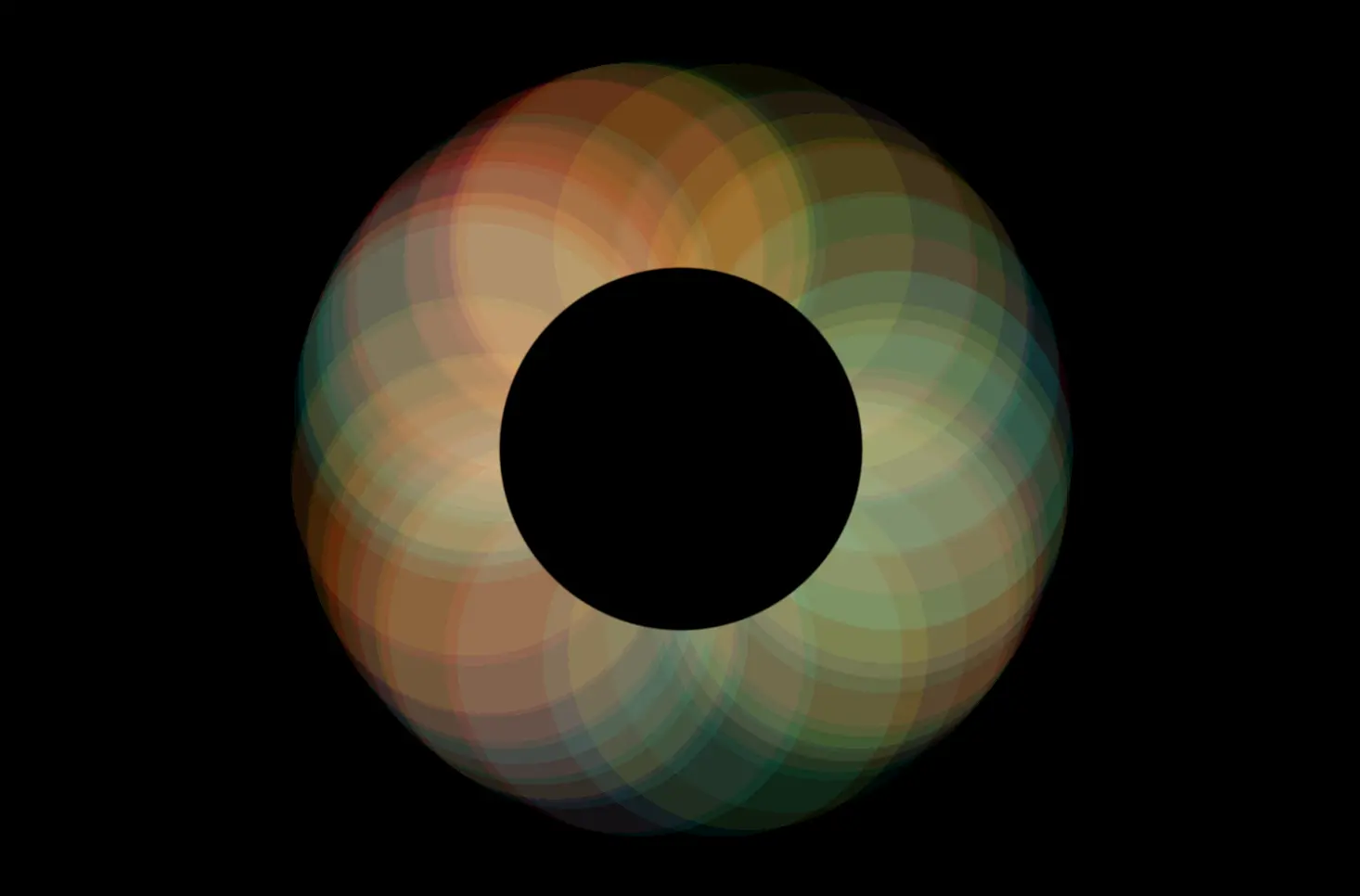
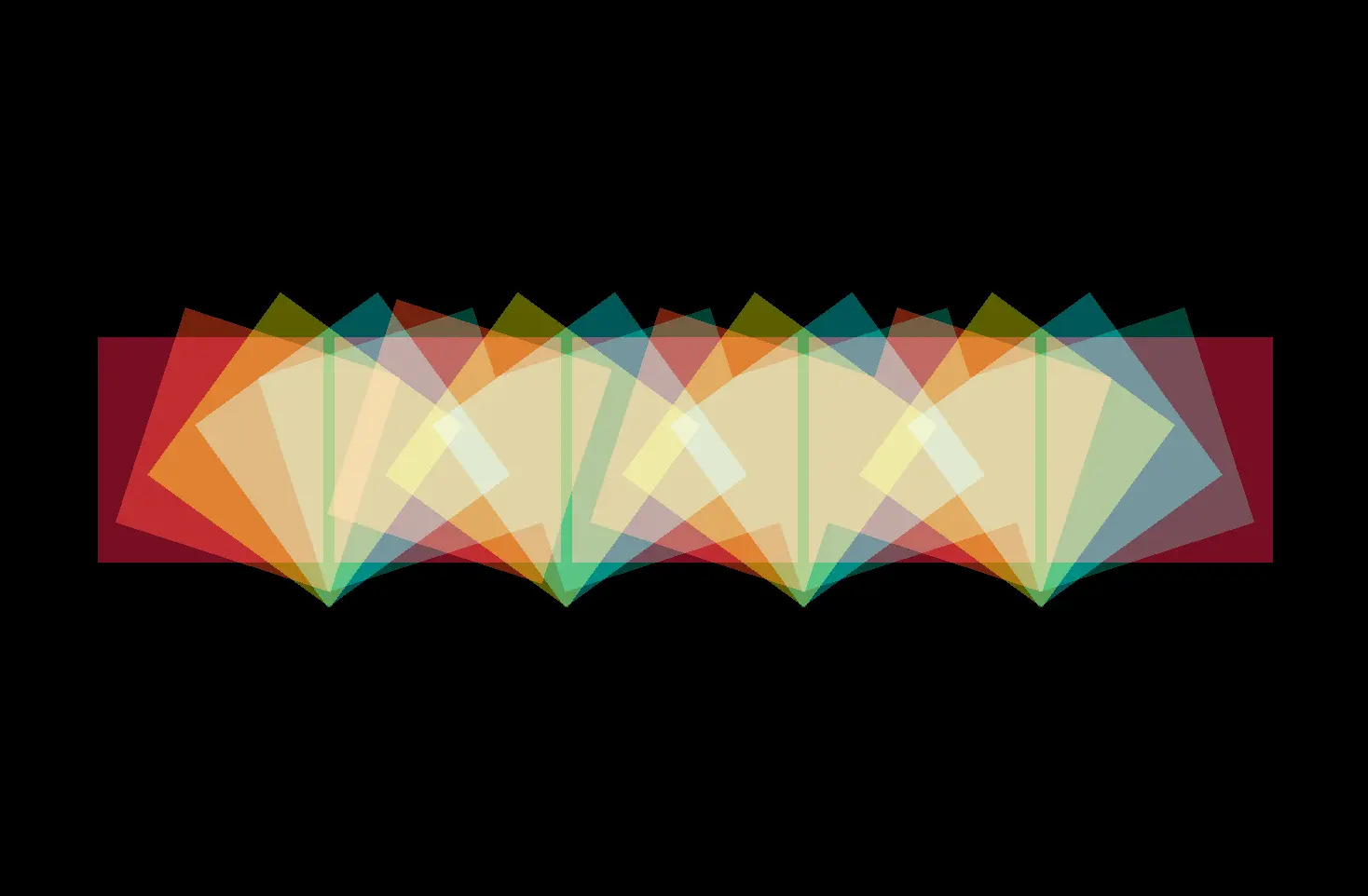
Genuary 23: Transparency. Layered compositions exploring opacity and translucency creating depth through overlapping transparent geometric forms.

sketches/genuary26-24.webp

Genuary 24

Genuary 24: Perfectionist's nightmare. Embracing imperfection and randomness creating organic variations that challenge precise geometric ideals.

sketches/genuary26-25.webp

Genuary 25

Genuary 25: Organic Geometry. Forms that look or act organic but are constructed entirely from geometric shapes.

sketches/genuary26-27.webp

Genuary 27

Genuary 27: Lifeform. Organic structures that simulate growth and behavior creating animated shapes that feel alive through procedural animation.

sketches/genuary26-30.webp

Genuary 30

Genuary 30: It's not a bug, it's a feature. Celebrating visual glitches and unexpected artifacts as intentional design elements in generative art.

sketches/bands-1.webp

Bands 1

Tall vertical bands with slow horizontal phase drift. Broad columns breathe with the palette sweep without crowding.

sketches/bands-2.webp

Bands 2

Faster sideways shimmer; columns look busier. Same cosine spine as Bands 1, but lateral motion reads clearly more restless.

sketches/bands-3.webp

Bands 3

Very narrow stripes on a slow crawl. Glassy seams appear where tight waves meet, then almost cancel into flat bands.

sketches/bands-4.webp

Bands 4

Even pacing: pillars advance steadily, neither sparse nor crowded, for a calm pulse down the lattice without spikes.

sketches/bands-5.webp

Bands 5

Remap curve hits harder at top and bottom. Ceiling and floor masks turn dramatic while mids stay flatter and more neutral.

sketches/bands-6.webp

Bands 6

Tight vertical rhythm with many glowing ribs at once. Shared palette ramp keeps the stack harmonious, not rainbow noise.

sketches/bands-7.webp

Bands 7

Wide slow slabs with strong fringe at margins. Horizontal phase reads bold; outer thirds carry most of the visible contrast.

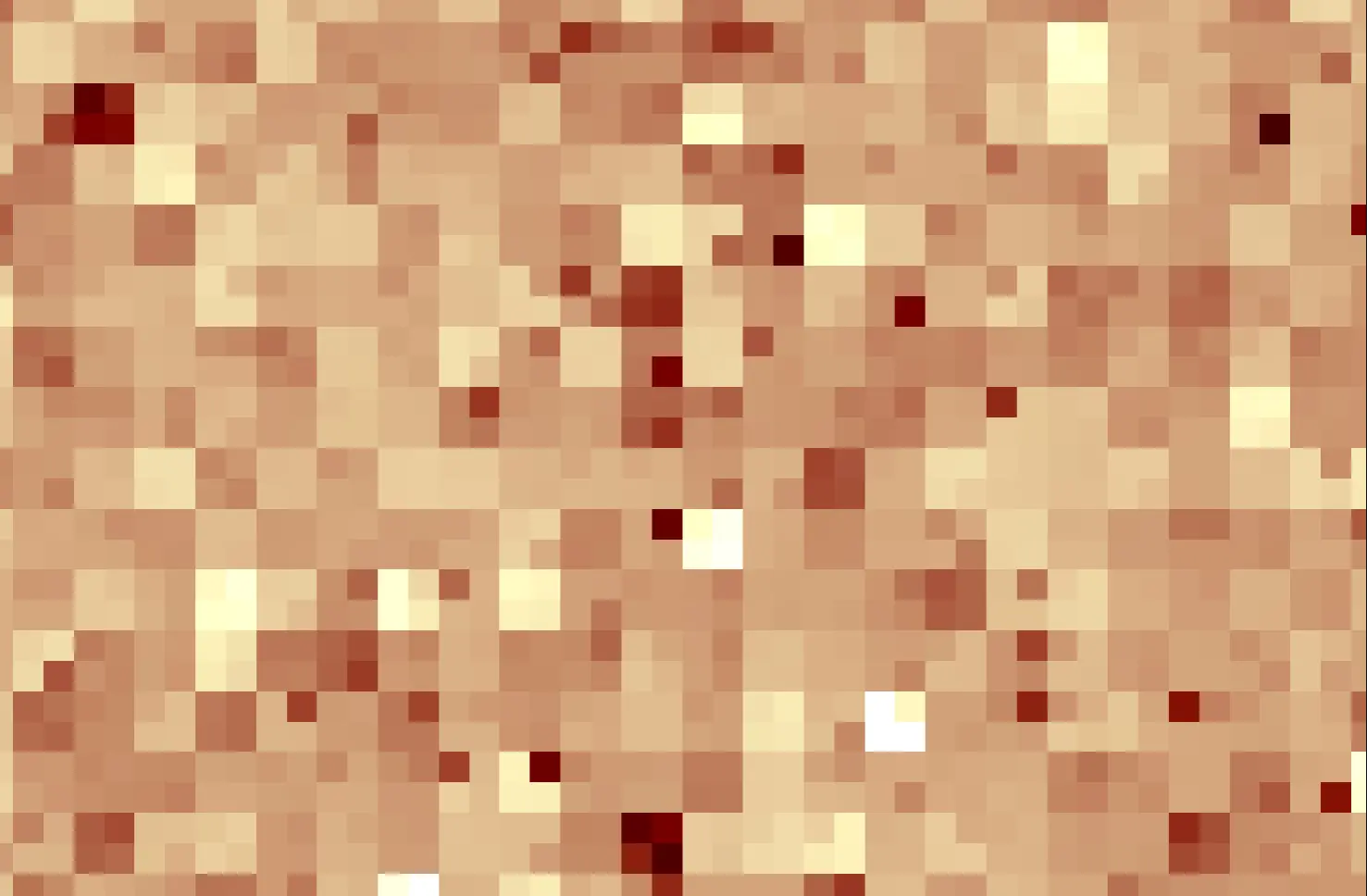
sketches/slate-1.webp

Slate 1

Photo plate multiplied by fractal Brownian motion. Warm cream and dusty wine lift in mids; canvas weave shows as fine speckle.

sketches/slate-2.webp

Slate 2

Cooler balance: steelier shadows while highlights stay tight. Grain reads tighter where the light pools on fabric.

sketches/slate-3.webp

Slate 3

Wide soft masks and slow handoffs between regions. Distance reads hazy, almost like heat shimmer across a mostly flat plane.

sketches/slate-4.webp

Slate 4

Fine stipple ripples skimming the surface. Nervous micro motion over calm undertone gradients keeps the plate alive.

sketches/slate-5.webp

Slate 5

Long-span gentle speckle without obvious seams. Mid tones ease together and avoid a hard horizontal band across the frame.

sketches/gravity-1.webp

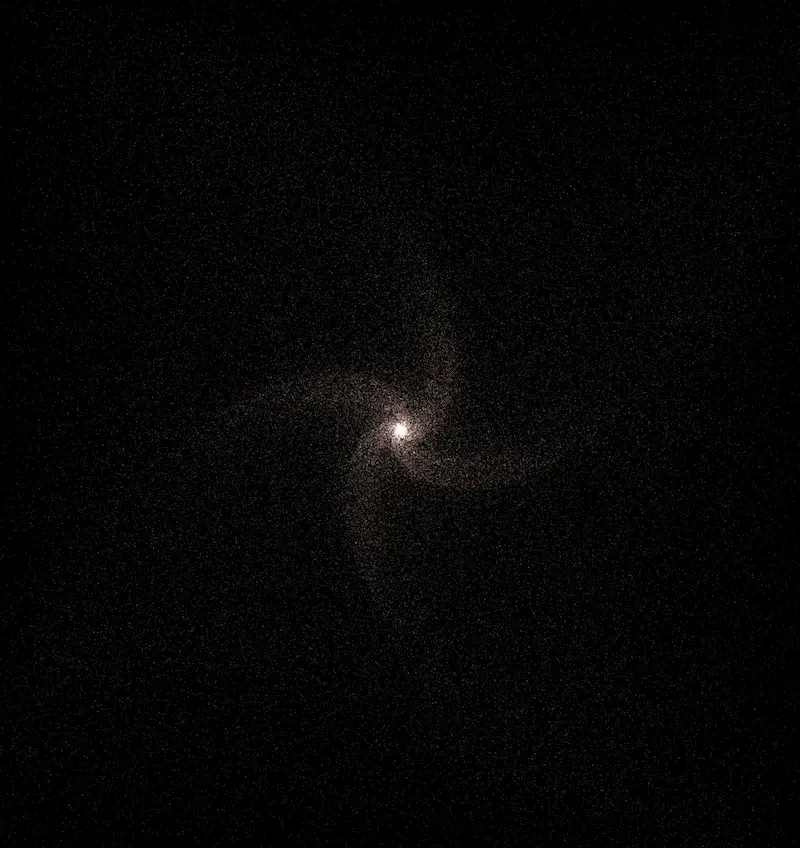
Gravity 1

Single attractor with atan flow. Half a million particles form one sheet that streamlines cleanly toward the well in the center.

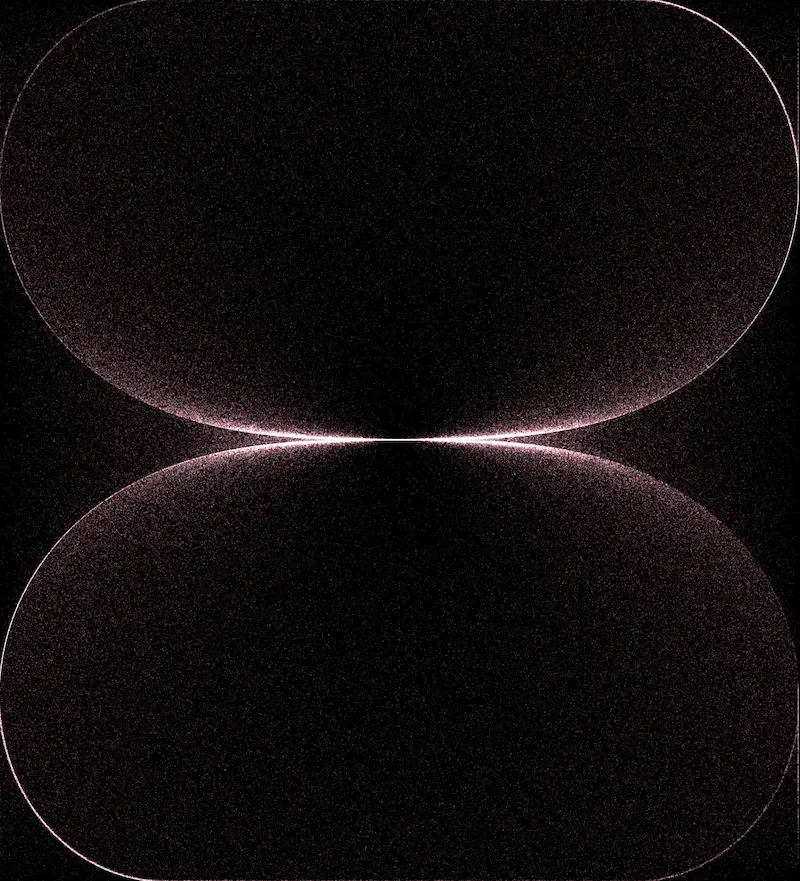
sketches/gravity-2.webp

Gravity 2

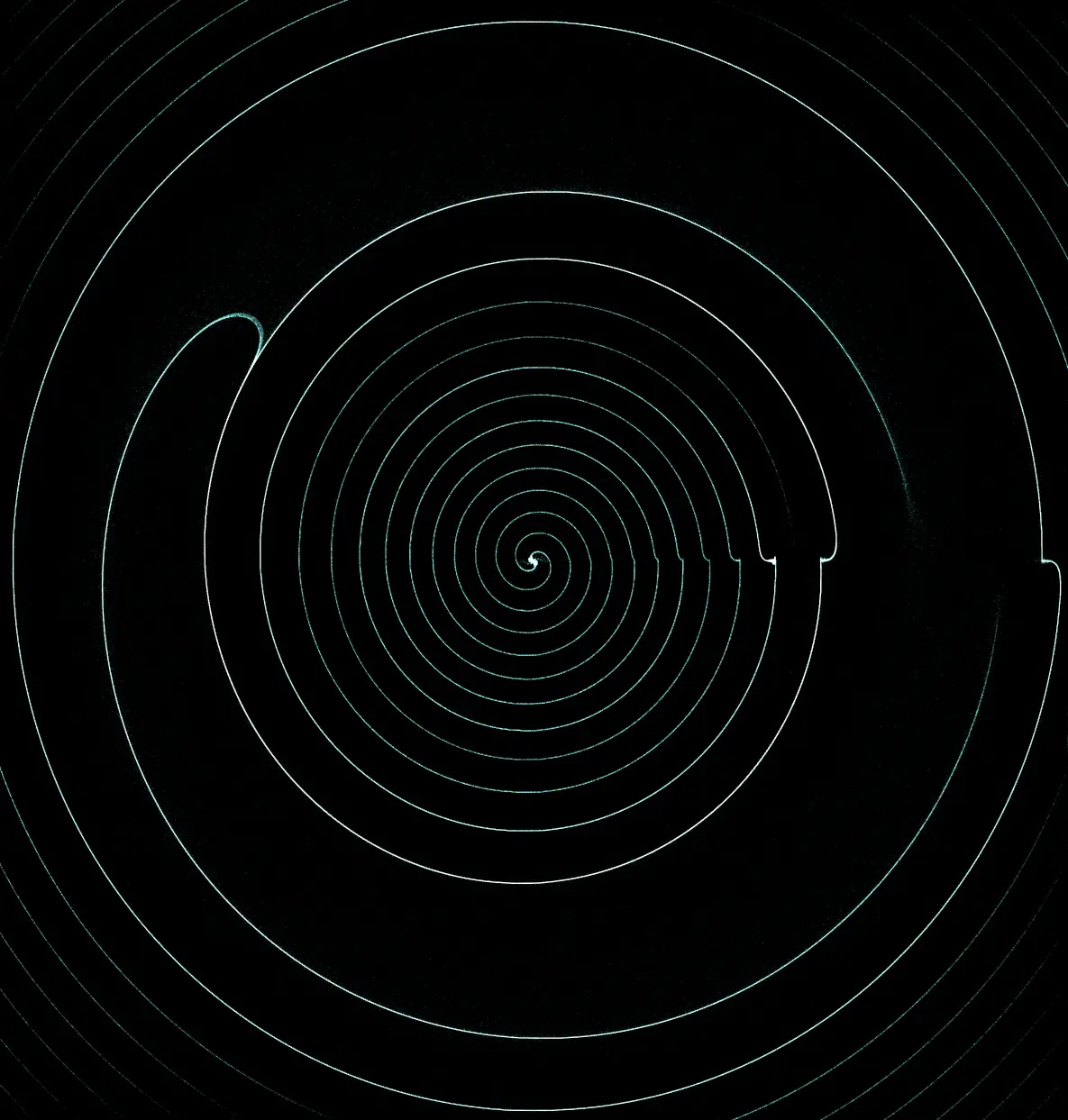
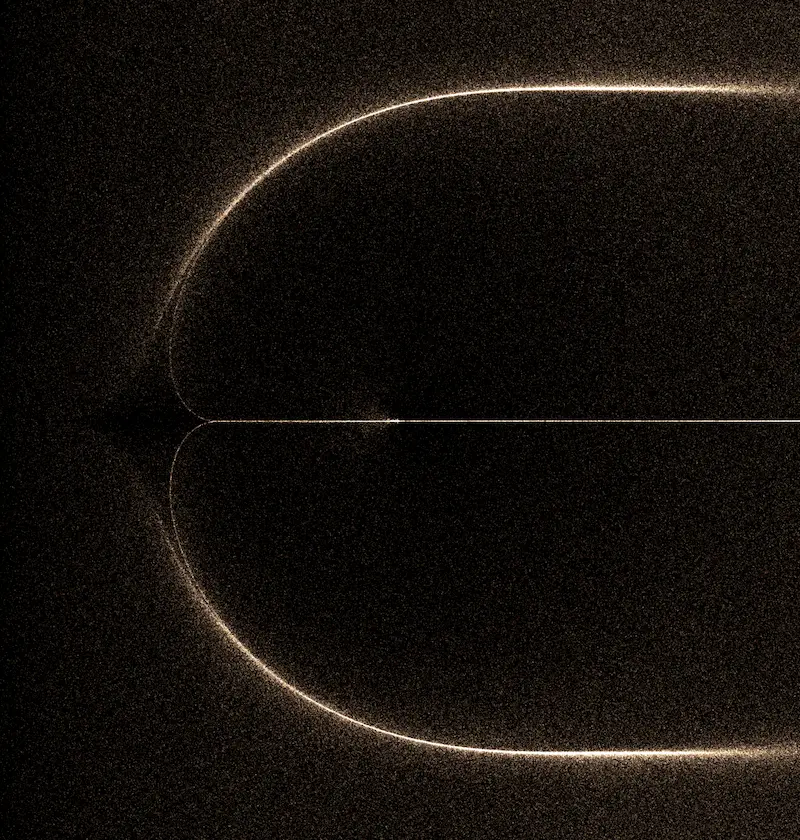
Spiral chirp layered on radial attraction. Motion tightens into nested whorls near the core instead of a plain inward pull.

sketches/gravity-3.webp

Gravity 3

Attraction strength falls off with distance so influence fades before edges. Particles orbit harder inside, drift outside.

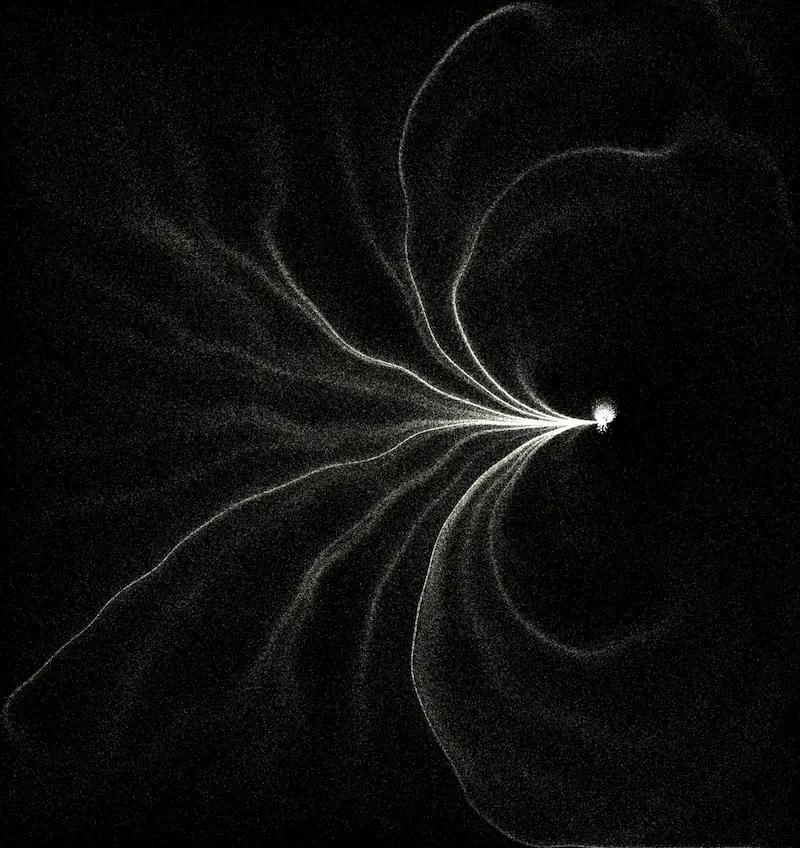
sketches/gravity-4.webp

Gravity 4

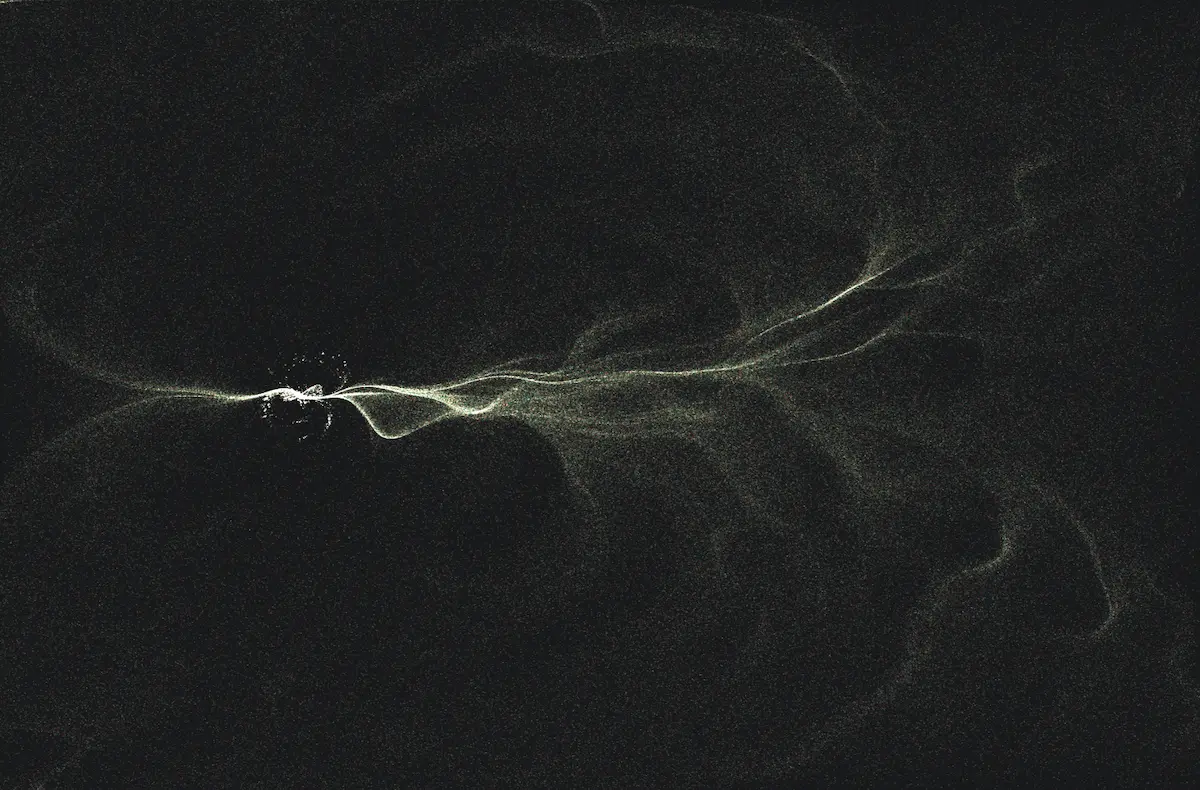
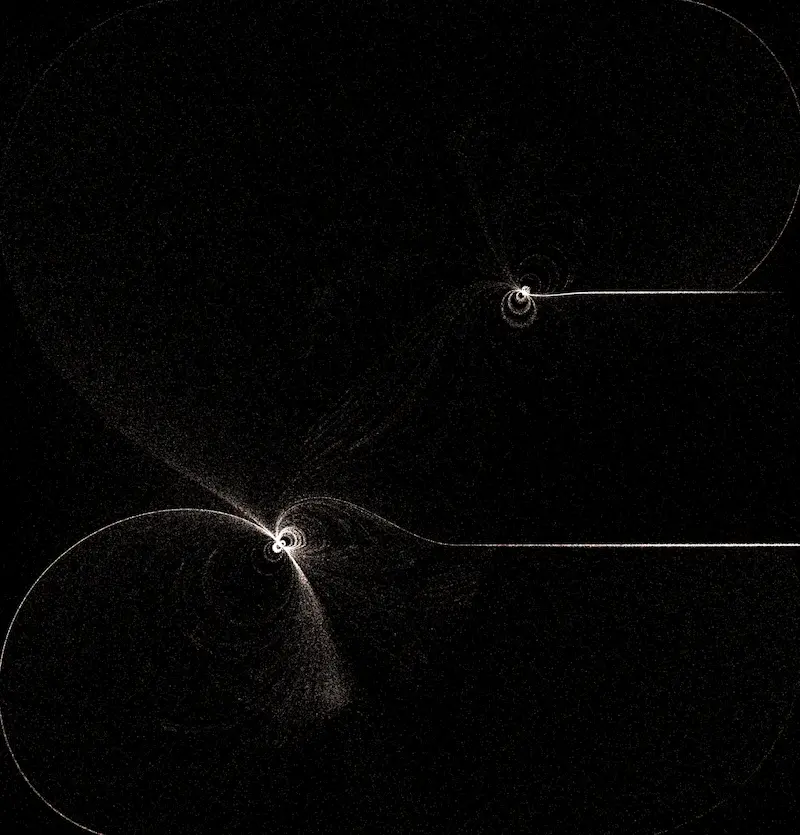
Two attractors blended by inverse distance weights. Streams split and rejoin as each well competes for the same points.

sketches/gravity-5.webp

Gravity 5

Orbital blend between inward pull and ninety degree swirl. You get ring-like lanes instead of simple radial collapse.

sketches/gravity-6.webp

Gravity 6

Repulsor pushes outward with proximity weighting. Particles spray from the center like a fountain in reverse; short trails cluster near the core.

sketches/gravity-7.webp

Gravity 7

Animated simplex noise perturbs the base field. Flow lines quiver so the attractor feels alive, not perfectly smooth.

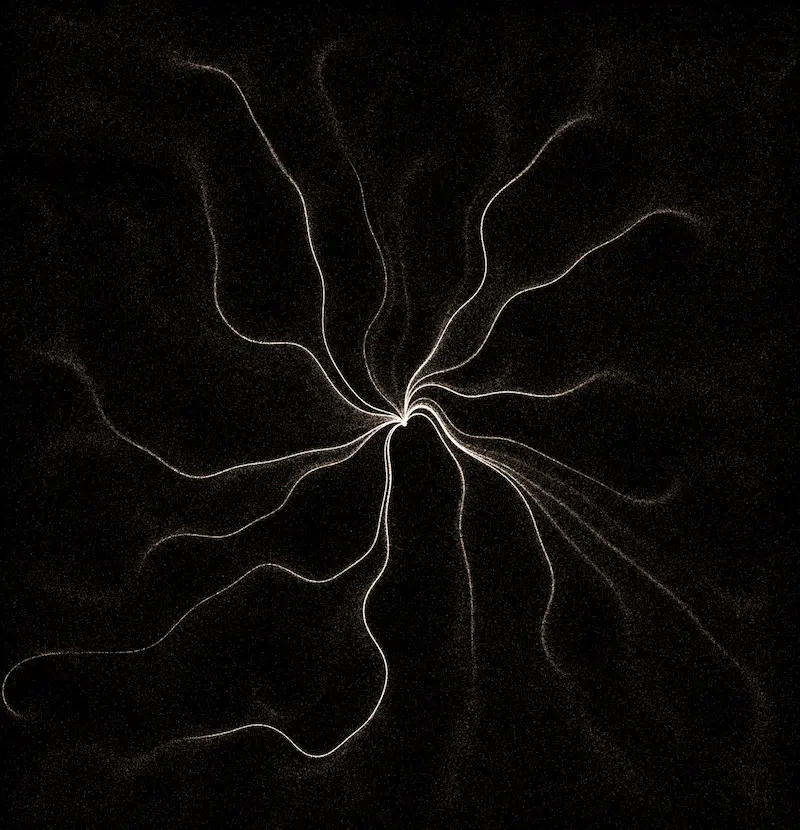
sketches/gravity-8.webp

Gravity 8

Hybrid attractor, repulsor, and noise in one field. Large particle count for smoother trails with lighter overhead.

sketches/gravity-9.webp

Gravity 9

Radial zones change the rule set: orbit near center, pull in a middle band, quiet outside. Behavior shifts as you cross rings.

sketches/gravity-10.webp

Gravity 10

Same blended forces as heavier setups, but vectors refresh every frame so motion stays responsive without a static lookup.

sketches/abiogenic-1.webp

Abiogenic 1

Ray-marched organic SDFs with folded space deformation. Soft masses read like slow drifting matter in viscous dark volume.

sketches/abiogenic-2.webp

Abiogenic 2

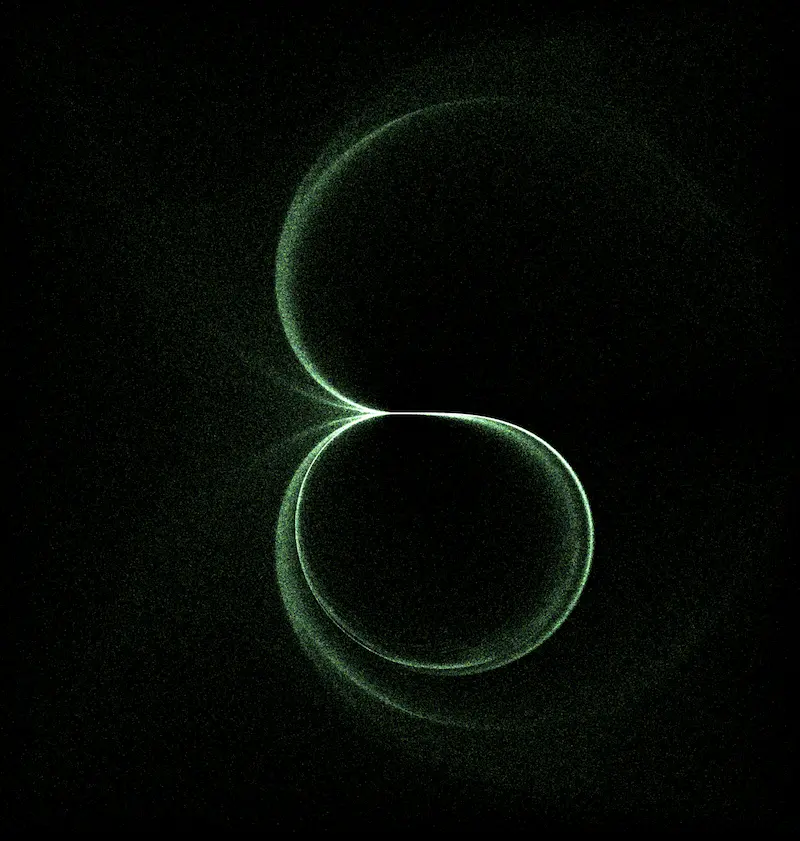
Twin glow sources with mirrored depth. Where the fields almost meet, constructive interference prints a brighter seam line.

sketches/abiogenic-3.webp

Abiogenic 3

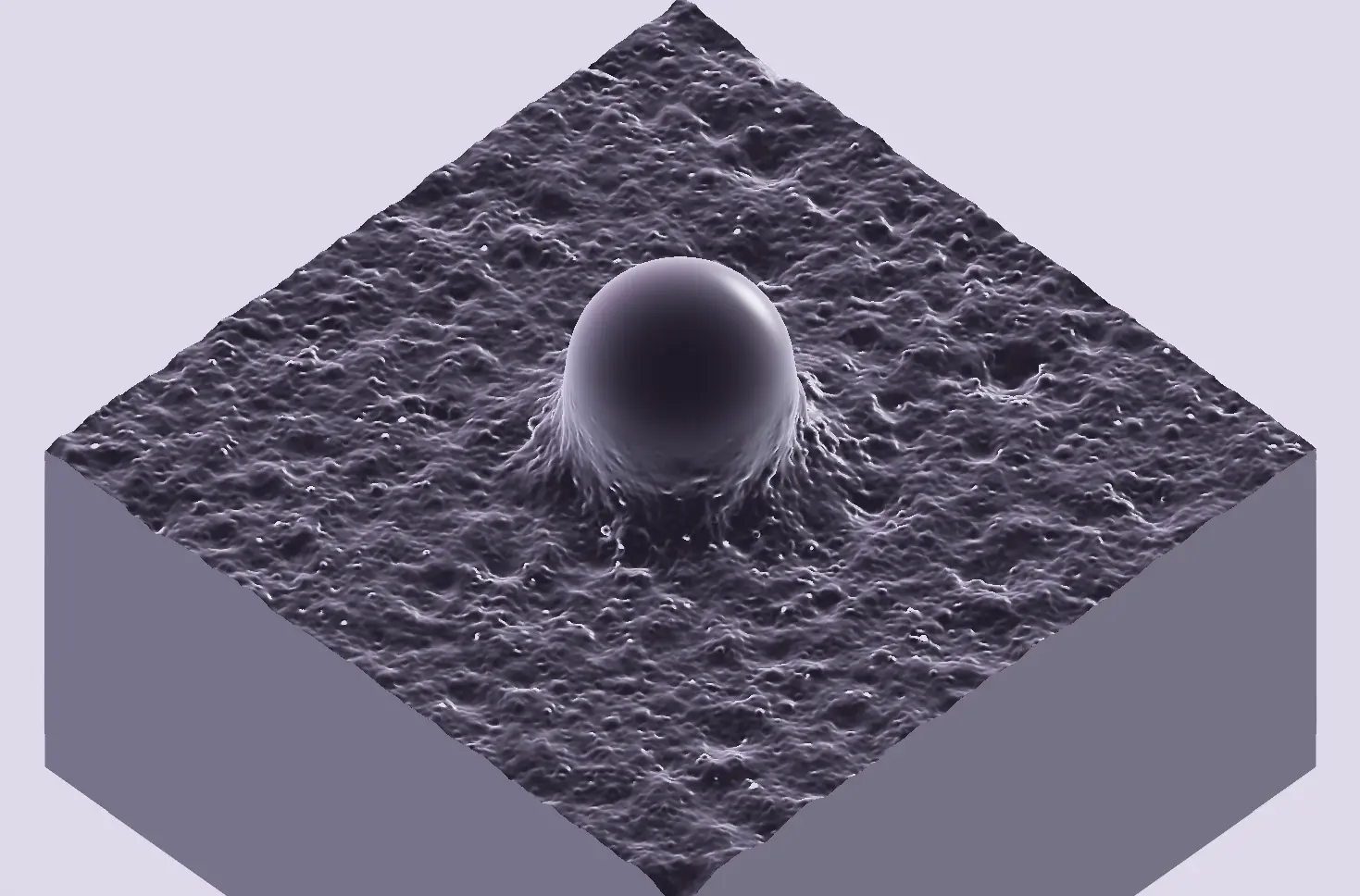
Fine surface noise on large masses. Mid grays stay gritty while highlights scrape thin so outer edges stay light and airy.

sketches/abiogenic-4.webp

Abiogenic 4

Single dominant pulse in darkness. Subtle ripples run ahead of the main bright mass, hinting at motion before the peak.

sketches/abiogenic-5.webp

Abiogenic 5

Stepped silhouettes emerge from fog. Axial symmetry stays calm on axis even when the micro surface looks busy up close.

sketches/shift-1.webp

Shift 1

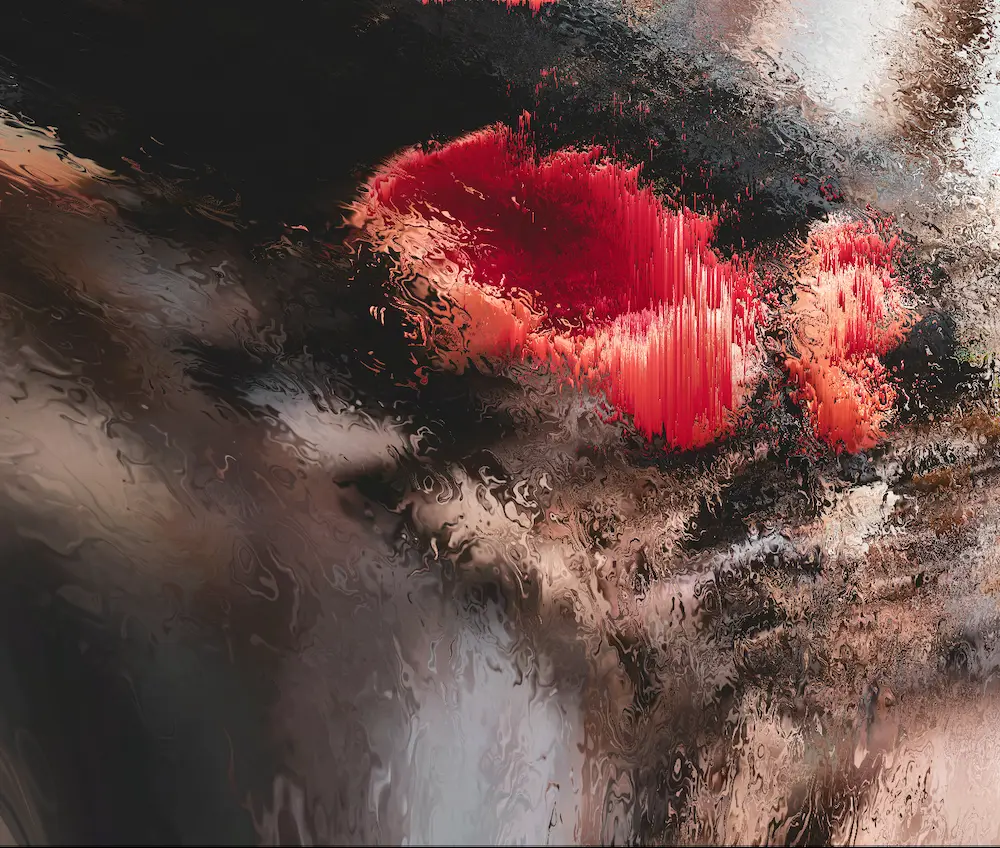
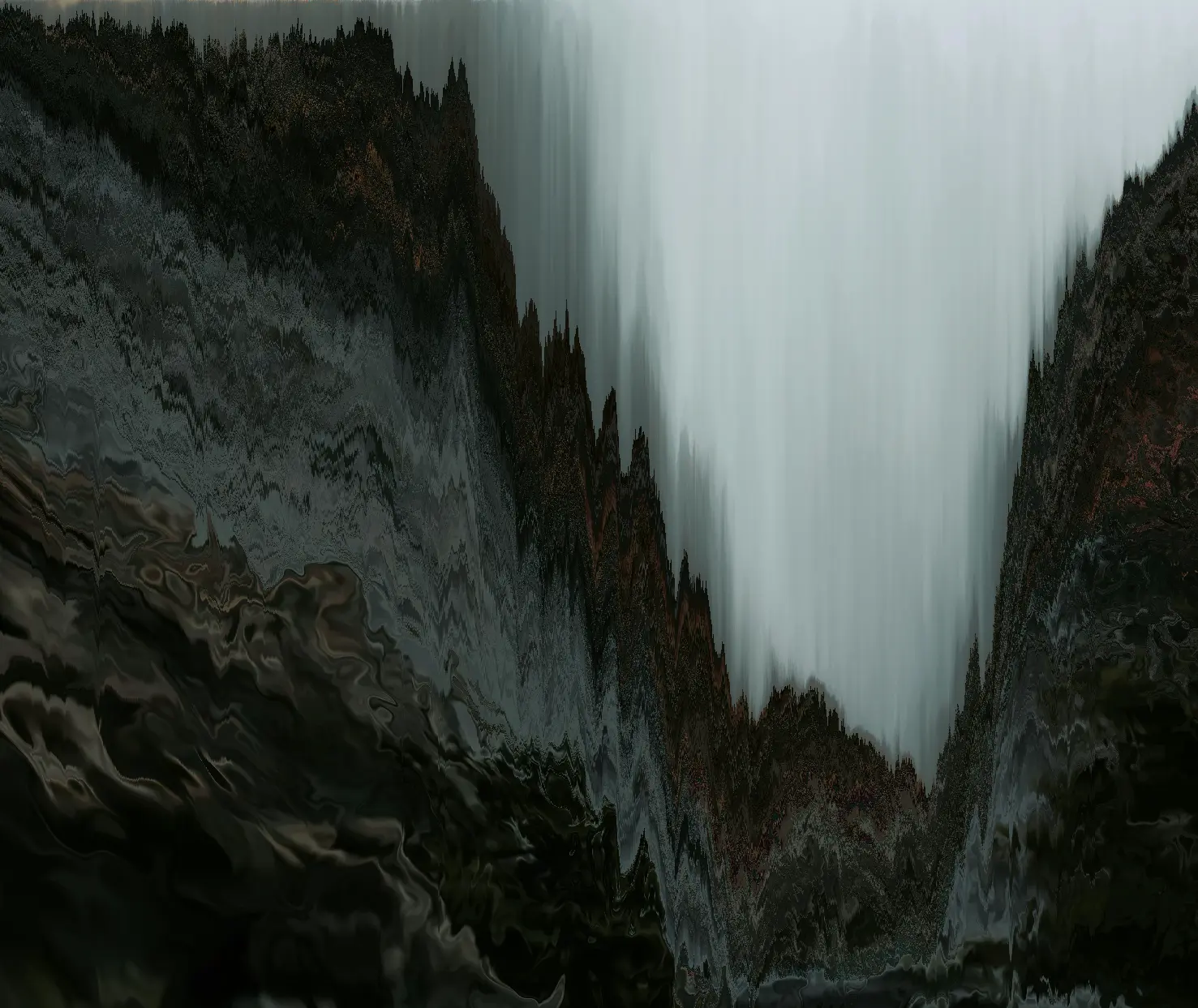
Horizontal pixel sort keyed on perceptual luminance with a relaxed threshold. Long, gentle streaks on photo plates.

sketches/shift-2.webp

Shift 2

Vertical luminance passes with a tighter threshold. Sorting breaks into thinner streaks that read finer on portraits.

sketches/shift-3.webp

Shift 3

Horizontal runs keyed on the red channel. Scarlet routes separate from greens so color itself becomes the mask.

sketches/shift-4.webp

Shift 4

Vertical sorting keyed on the blue channel. Cyan-indigo ribbons cut through the plate while warmer tones lag and smear.

sketches/shift-5.webp

Shift 5

Horizontal random-key sort at a very low threshold. Aggressive, glitchy reorder that shatters the image fastest.

sketches/shift-6.webp

Shift 6

Horizontal strips sorted on inferred color temperature. Higher gate than Shift 1 so bands stay broad, not hairline.

sketches/shift-7.webp

Shift 7

Vertical luminance at a high threshold. Only the strongest edges reorder, leaving long quiet runs between jumps.

sketches/shift-8.webp

Shift 8

Vertical luminance at a medium threshold: balanced density between sparse long runs and more saturated streak regions overall.

sketches/formation-fundament.webp

Fundament

Dense lattice with the Fundament trig flow. Baseline organic filaments the rest of the series variants build on.

sketches/formation-cellular.webp

Cellular

Cell-like kernel on a tight grid. Short, clustered strokes read like foam or grain under a microscope, at an intimate cell scale.

sketches/formation-network.webp

Network

Wide lattice with sparse ribbons. Thin arcs bridge open space instead of filling every cell—good when you want obvious negative space.

sketches/formation-spiral.webp

Spiral

Spiral bias through the flow field: curved lanes and airy spacing instead of a tight rect grid, with clear rotation read.

sketches/formation-monde.webp

Monde

Perlin-steered monde lanes. Meandering paths wander the lattice with soft directional noise that avoids rigid symmetry.

sketches/formation-concentric.webp

Concentric

Radial bias mixes tangent motion and swirl around a torus so ring-like lanes read intentional, not like accidental streaks.

sketches/formation-flow.webp

Flow

Custom atan field: broad swirling arms and a slow theta drift. Good default when you want obvious spiral grammar.

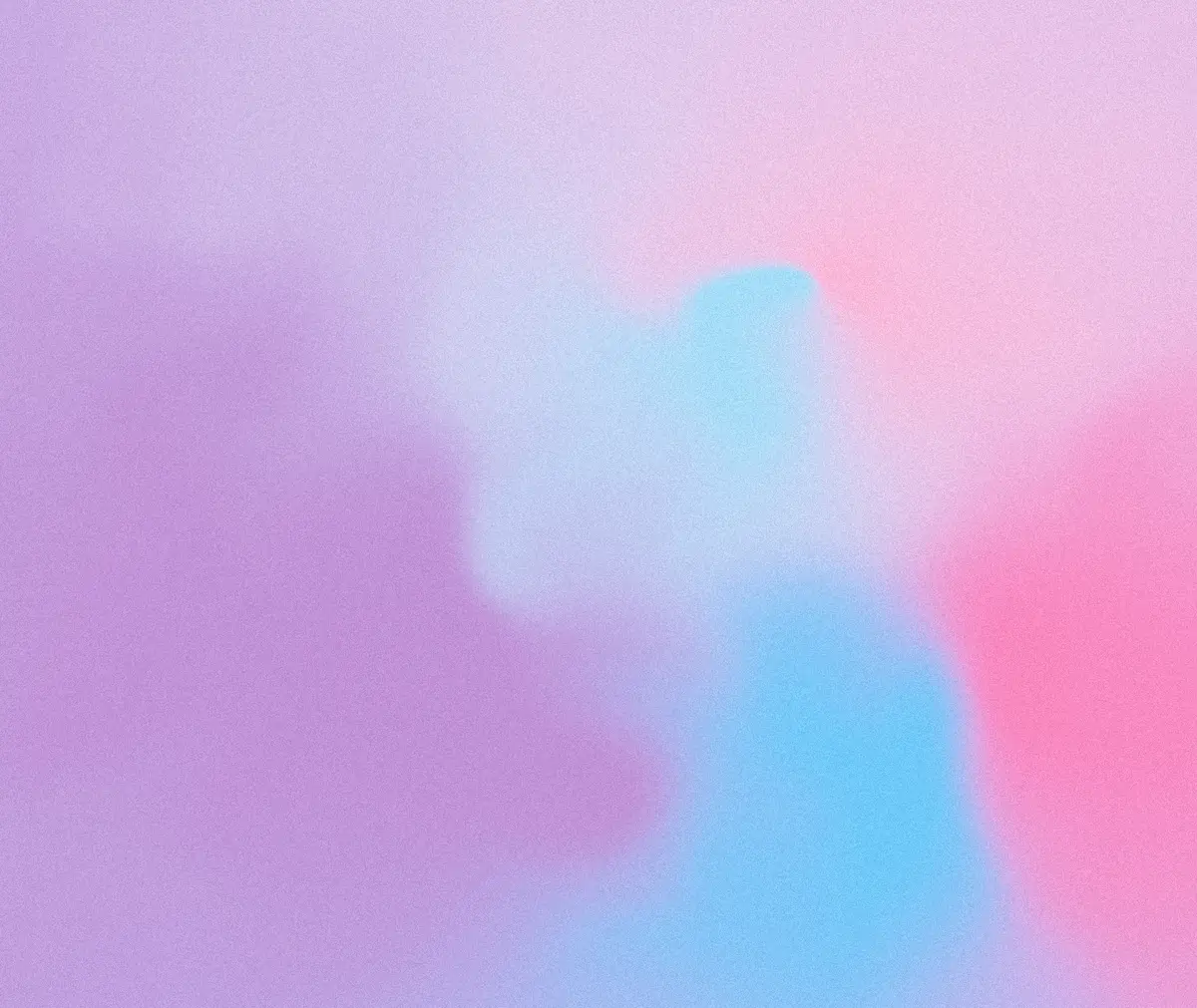
sketches/mesh-7.webp

Mesh 7

Five soft lavender and pink stops on corner and center control points. Direct warped UV mesh, no polar remap, noise shimmer.

sketches/mesh-8.webp

Mesh 8

Five-stop terracotta, butter, sea glass, plum, pale sage. Same direct mesh path as Mesh 7 with warm neutral balance.

sketches/arcs-1.webp

Arcs 1

Geometric study inspired by Alex Cristache. Arc SDFs with soft fills, gentle rainbow ramps; arcs lean upper-left with airy negative space.

sketches/arcs-2.webp

Arcs 2

Geometric study inspired by Alex Cristache. Tighter arc packs and punchier value steps than Arcs 1, busier, brighter, more poster-like.

sketches/arcs-3.webp

Arcs 3

Geometric study inspired by Alex Cristache. Smaller-radius arcs cluster center-weighted with more overlap between strokes.

sketches/arcs-4.webp

Arcs 4

Geometric study inspired by Alex Cristache. Arcs hug the frame edge and leave a calmer center hole, like a soft letterbox vignette.

sketches/arcs-5.webp

Arcs 5

Geometric study inspired by Alex Cristache. Crossing major arcs weave; intersections pick up additive glow so overlaps read like neon solder.

sketches/arcs-6.webp

Arcs 6

Geometric study inspired by Alex Cristache. Fewer, thicker arcs and more breathing room, minimalist beside the denser Arcs 2 and 3.

sketches/eidolon-1.webp

Eidolon 1

Rotating geometry with cosine palette fills. Slow spin so shapes read clearly; color tracks orientation, not just time.

sketches/eidolon-2.webp

Eidolon 2

Faster rotation and tighter silhouettes. Motion blur from shader sampling makes edges streak more than Eidolon 1.

sketches/eidolon-3.webp

Eidolon 3

Overlapping layers with offset phase. Shapes interleave so depth reads from occlusion, not perspective tricks.

sketches/eidolon-4.webp

Eidolon 4

Lower poly feel with fewer primitives per frame but larger silhouettes on screen. Bold negative space and graphic layout.

sketches/eidolon-5.webp

Eidolon 5

Dense swarm of smaller primitives. Orbits crowd the center while the outside stays comparatively empty and easy to read.

sketches/warp-1.webp

Warp 1

Layered domain warp with multi-scale noise. UV shears in smooth rivers instead of one big twist applied everywhere at once.

sketches/warp-2.webp

Warp 2

Stronger low frequency warp; continents of distortion drift faster than Warp 1 while fine noise stays similar.

sketches/warp-3.webp

Warp 3

More octaves in the fBM so micro kinks appear inside the big bends. Busier without changing overall amplitude.

sketches/warp-4.webp

Warp 4

Spiralized fractals with domain warping. Twisted recursive structures creating hypnotic compositions through geometric distortion.

sketches/warp-5.webp

Warp 5

Posterized domain quantizing after the warp yields chunkier cells. Tiling reads graphic and psychedelic rather than fluid smoke.

sketches/cascade-1.webp

Cascade 1

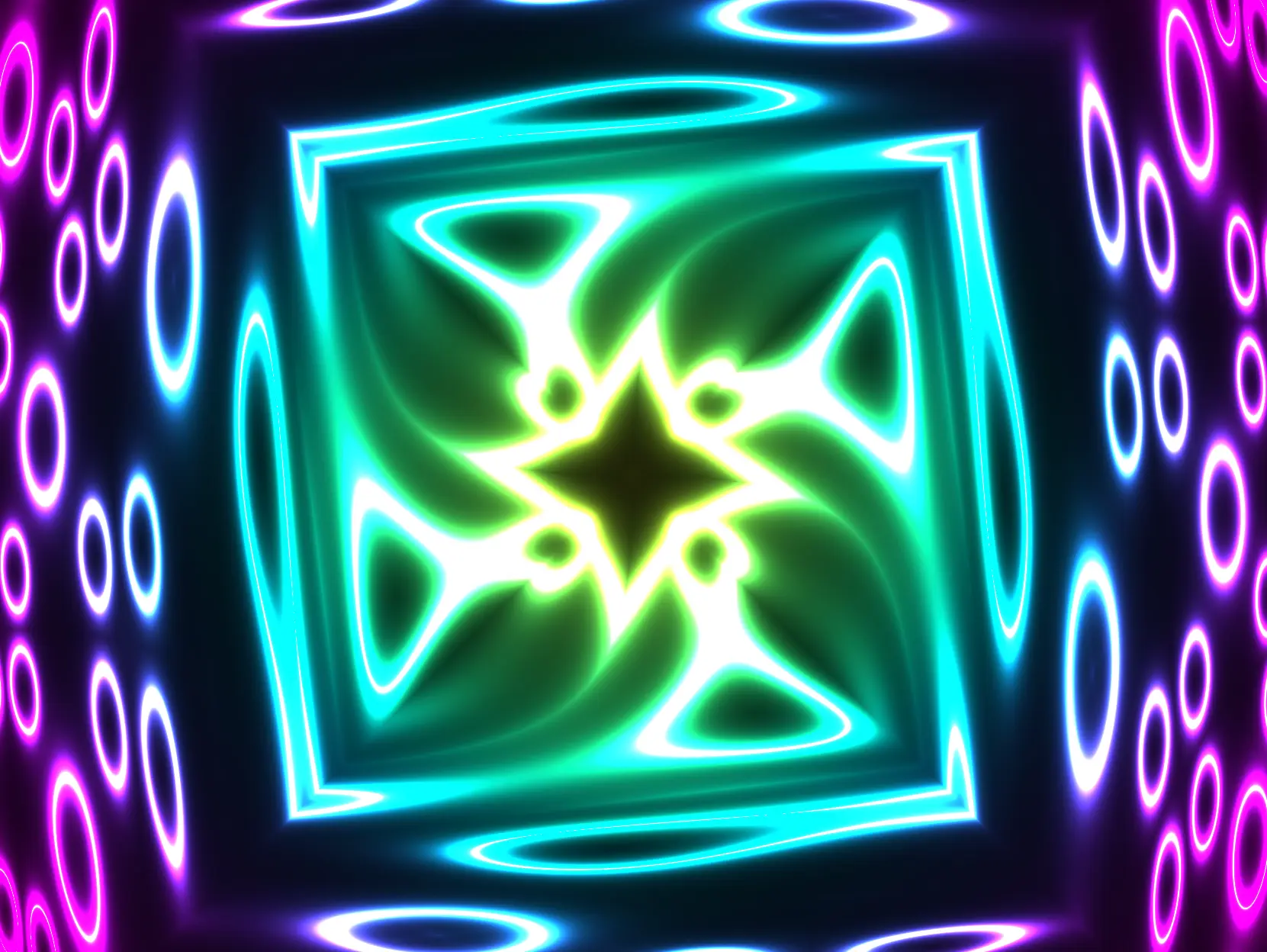
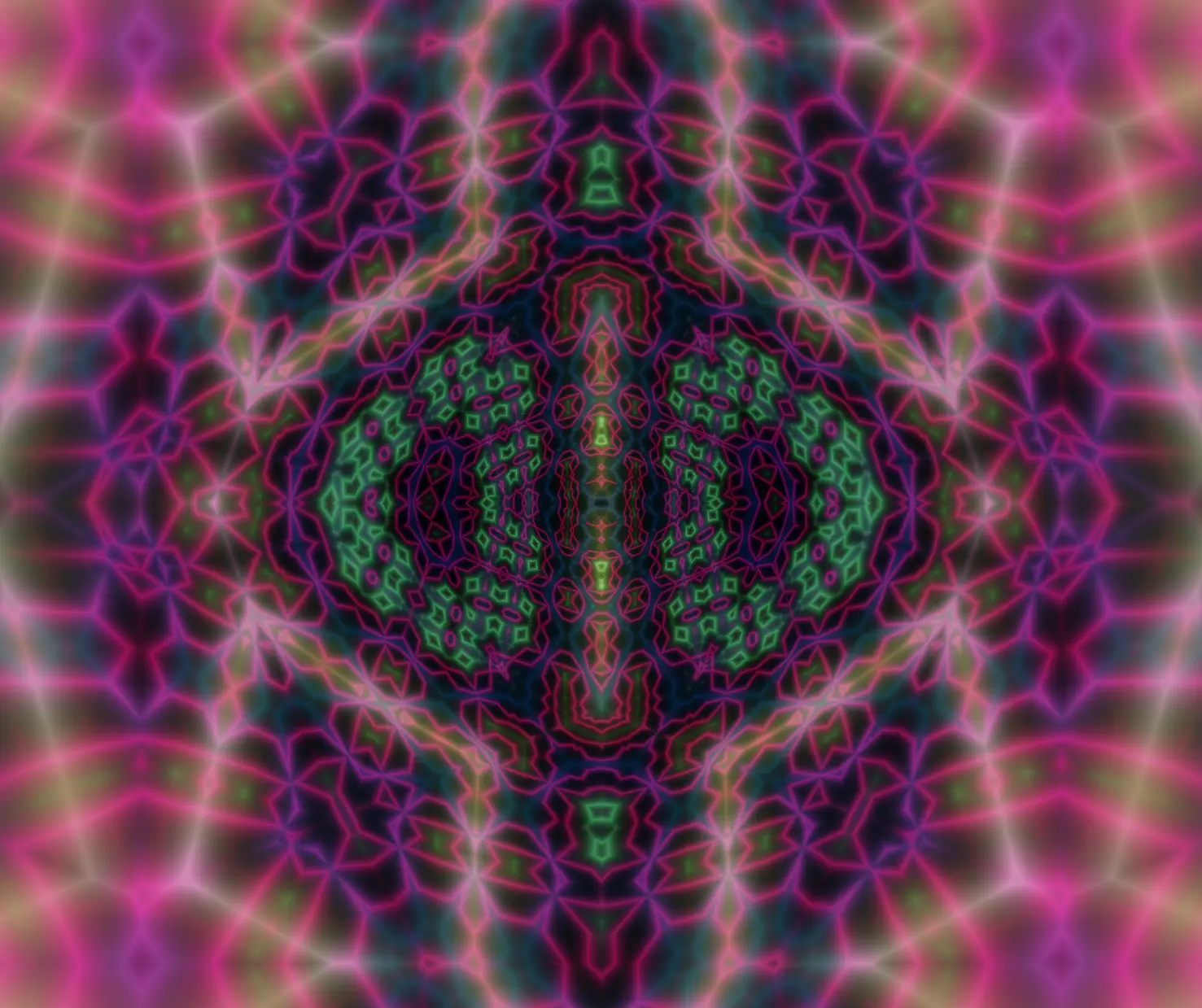
Kaleidoscopic domain fold with rotation matrices. Low symmetry count so sectors stay large and easy to read at a glance.

sketches/cascade-2.webp

Cascade 2

Spiralized fractal with twisted geometric recursion. Hypnotic rotational symmetry through iteration creating mesmerizing visual flow.

sketches/cascade-3.webp

Cascade 3

Extra mirror passes: smaller wedges repeat around the center for a busier mandala read at similar iteration depth.

sketches/cascade-4.webp

Cascade 4

Kaleidoscopic fractal using shearing matrices. Domain warping creates skewed symmetrical patterns through geometric transformation.

sketches/cascade-5.webp

Cascade 5

Off-axis seed rotation so symmetry feels slightly twisted instead of perfectly clocked to the frame edges and center spine.

sketches/cascade-6.webp

Cascade 6

Deeper iteration stack: fine detail piles inward while outer lobes stay comparatively simple, glossy, and poster readable.

sketches/cascade-7.webp

Cascade 7

Slower angular drift between folds. Motion feels heavier and more underwater than snappier siblings in the same family.

sketches/cascade-8.webp

Cascade 8

Sharper fold cutoff: hard creases appear between lobes instead of relying only on soft blends from eased warps alone.

sketches/cascade-9.webp

Cascade 9

Palette contrast biased to complementary pairs so adjacent blades read as deliberate color flips, not smooth ramps.

sketches/cascade-10.webp

Cascade 10

Final wide-shot balance: balanced symmetry, medium iteration, meant to read well as a thumbnail from far away.

sketches/imaginary-1.webp

Imaginary 1

Complex plane mapped to color with mild warping. Real axis drives hue shifts; imaginary axis handles brightness rolls.

sketches/imaginary-2.webp

Imaginary 2

Sharper domain fold on the same mapping. Fractal-like seams appear where repeated inversions meet symmetry lines.

sketches/imaginary-3.webp

Imaginary 3

Lower iteration budget for cleaner gradients. Big soft fields dominate; detail concentrates near critical boundaries only.

sketches/imaginary-5.webp

Imaginary 5

Higher contrast ramp with compressed mid tones. Highlights punch harder against near-black troughs for a starker graphic read.

sketches/imaginary-6.webp

Imaginary 6

Orthogonal bias: imaginary terms weigh heavier on vertical bands while real terms favor horizontal sweeps across the field.

sketches/imaginary-7.webp

Imaginary 7

Fully randomized imaginary number visualization. Complex math creates unique gradient patterns every render through procedural generation.

sketches/imaginary-8.webp

Imaginary 8

Fully randomized imaginary number visualization. Generative complex number patterns with unique outcomes through mathematical exploration.

sketches/imaginary-4.webp

Imaginary 4

Faster parameter drift over time. Slow animation makes roots slide across the plane so the frame never quite settles.

sketches/dawn-1.webp

Dawn 1

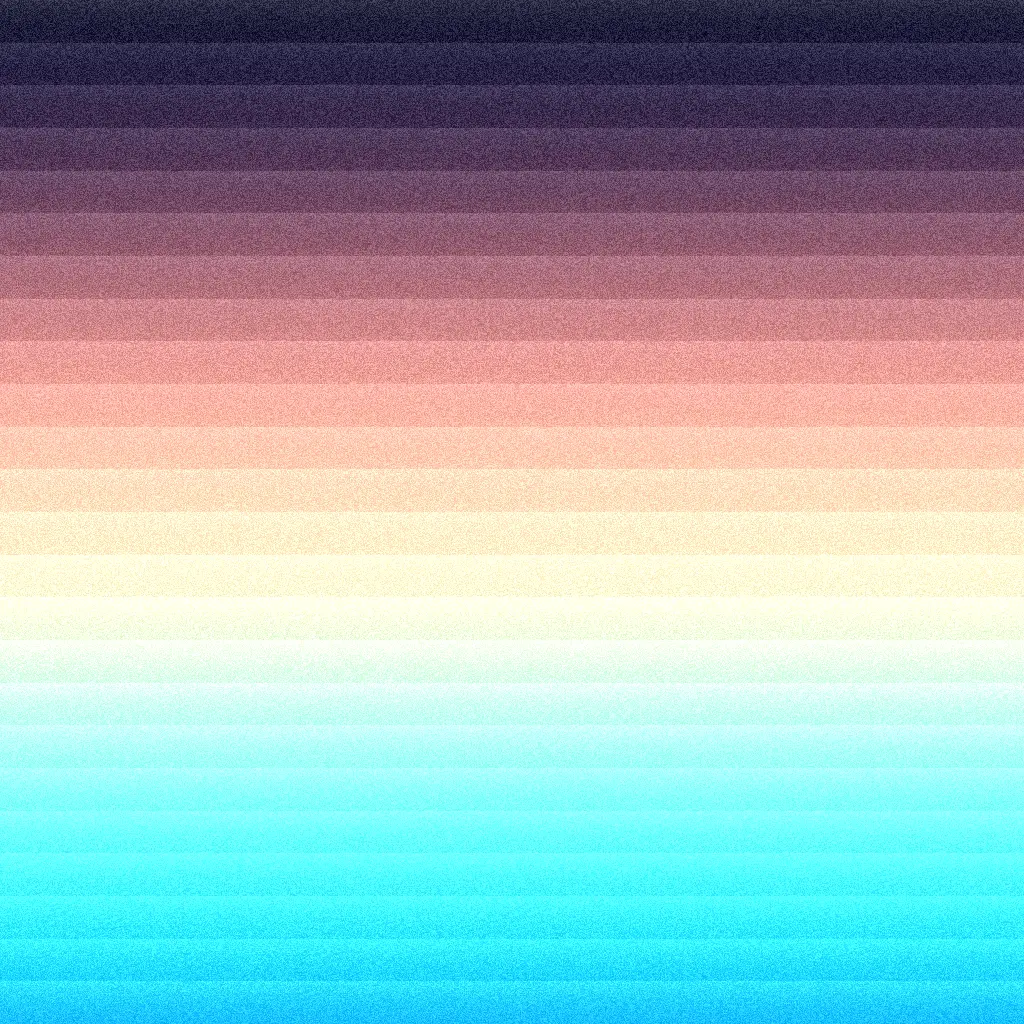
Gradient study inspired by Rik Oostenbroek. Opens with soft blush and peach washes that read like early sky above low cloud.

Free
sketches/dawn-2.webp

Dawn 2

Gradient study inspired by Rik Oostenbroek. Cooler mids than Dawn 1, shadow side leaning lilac instead of neutral gray for calmer dusk.

Free
sketches/dawn-3.webp

Dawn 3

Gradient study inspired by Rik Oostenbroek. Brighter key with punchier oranges; heat gathers near center while rims stay feathered against hard poster bands.

Free
sketches/dawn-4.webp

Dawn 4

Gradient study inspired by Rik Oostenbroek. Noise layered into smooth ramps for subtle grain so wide blends never feel like flat vector fills.

Free
sketches/dawn-5.webp

Dawn 5

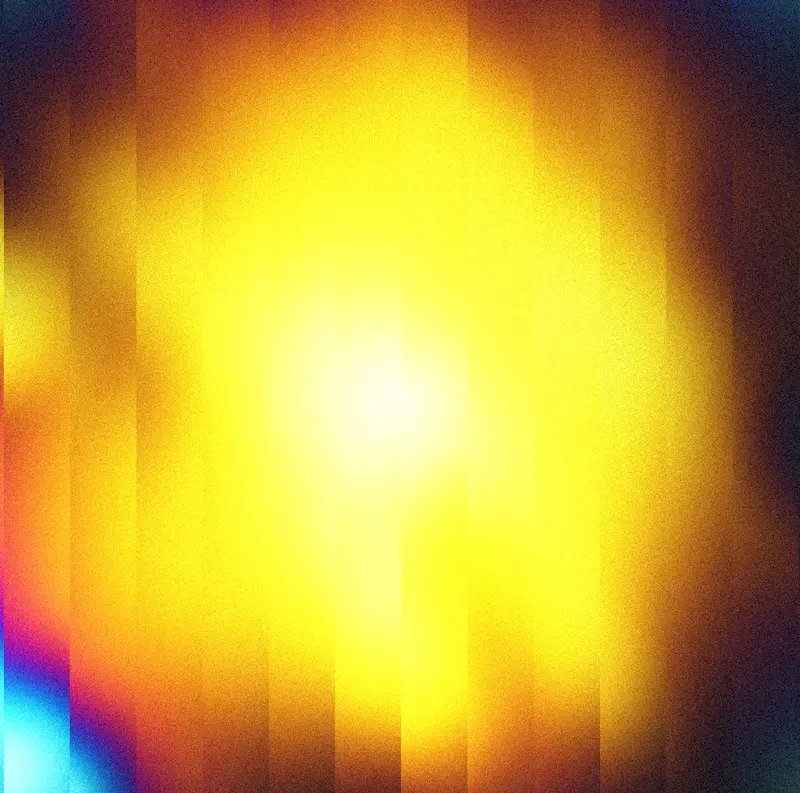
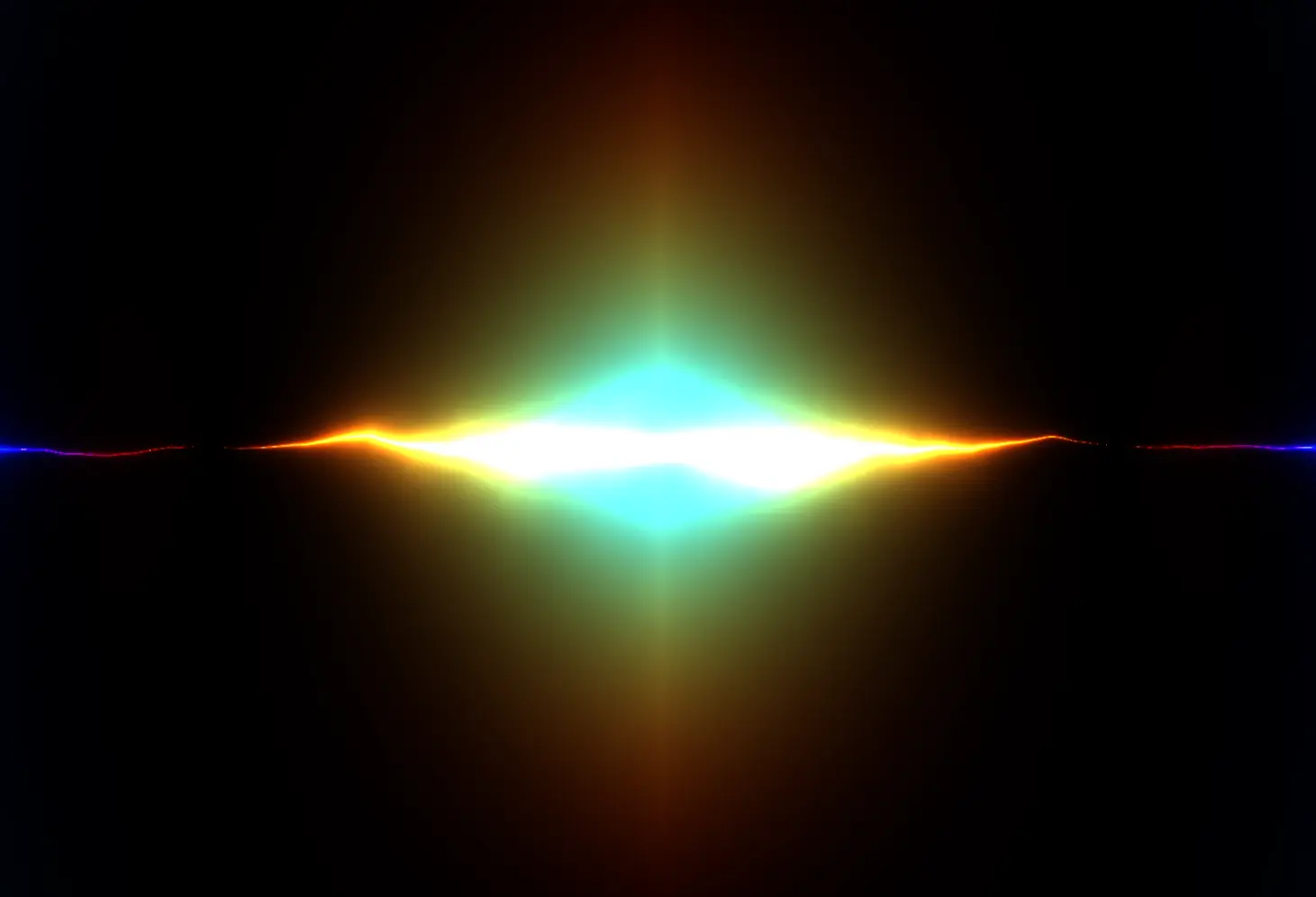
Gradient study inspired by Rik Oostenbroek. Strong centered glow near white and yellow, opening into soft orange and brown with prismatic fringe at the edge.

Free
sketches/flare-1.webp

Flare 1

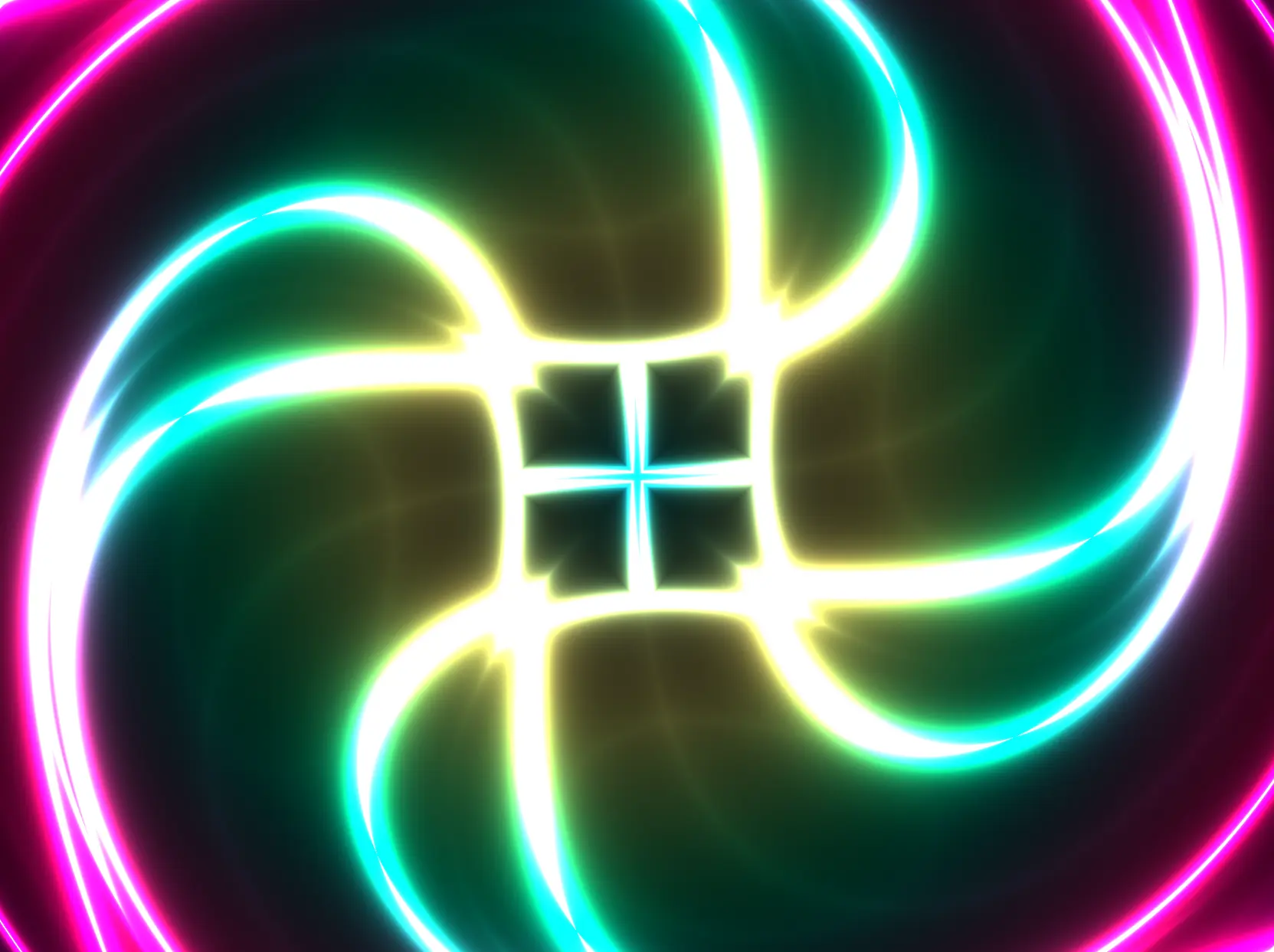
Fractionated polar UV with cosine palettes and bloom. Early emphasis on a clean radial read and bright rim highlights.

sketches/flare-2.webp

Flare 2

Same flare base with busier phase offsets. Rings feel tighter and chroma shifts faster as you move outward from center.

sketches/flare-3.webp

Flare 3

Lower frequency in the fractionation so bands stay broad. Color steps read more like stripes than fine hairlines.

sketches/flare-4.webp

Flare 4

Higher iteration weight on domain folds detail near the center. Core gets noisy faster while outer rings stay calmer.

sketches/flare-5.webp

Flare 5

Asymmetric weighting: one side of the disk carries more energy so the gradient feels deliberately off balance, not centered.

sketches/flare-6.webp

Flare 6

Stronger bloom coupling so edges bleed together and midtones smear before hard rings ever show up as thin wirelines.

sketches/flare-7.webp

Flare 7

Cooler palette bias: peaks skew teal and violet instead of warmer sun tones, while structure matches other Flare presets.

sketches/flare-8.webp

Flare 8

Faster angular motion in the sample; the whirl reads almost like a speeding record without changing output resolution.

sketches/flare-9.webp

Flare 9

Wide soft halo preset: most contrast sits in the outer third so the middle stays quiet and dark relative to the rim glow.

sketches/genuary-1.webp

Genuary 1

Horizontal or vertical lines only. Minimalist linear composition in WebGPU: structure and spacing do the work, no extra geometry.

sketches/genuary-2.webp

Genuary 2

Layers upon layers upon layers. Transparent stacks and depth sorting build complexity while keeping each sheet readable alone.

sketches/genuary-3.webp

Genuary 3

Exactly 42 lines of code. A tight fractal shader that stays inside the line budget and still reads as a full idea.

sketches/genuary-4.webp

Genuary 4

Black on black. Monochrome plate where texture and micro-contrast carry depth without leaning on a second hue.

sketches/genuary-5.webp

Genuary 5

Isometric art with no vanishing points. Parallel projection keeps parallel lines honest; shading sells the illusion.

sketches/genuary-6.webp

Genuary 6

Landscape using only primitive shapes. SDF primitives assemble a minimal outdoor read without freehand curves.

sketches/genuary-8.webp

Genuary 8

Draw one million of something. GPU instancing and particles stress scale so density becomes the subject, not detail.

sketches/genuary-9.webp

Genuary 9

Textile patterns from public transport seating. Loud repeats and modular rhythm nod to upholstery grids and bus fabric.

sketches/genuary-10.webp

Genuary 10

Only use TAU in your code. The constant steers circles, turns, and phase so the piece stays mathematically disciplined.

sketches/genuary-11.webp

Genuary 11

Impossible day. Illusions, paradoxical forms, and shader tricks that read wrong at first and settle on second look.

sketches/genuary-12.webp

Genuary 12

Subdivision. Recursive splitting of space yields fractal-like blocks without hand placing every tiny cell by hand.

sketches/genuary-13.webp

Genuary 13

Triangles and nothing else. Triangle SDFs tile patterns, trims, and fills while staying inside the one-shape rule.

sketches/genuary-14.webp

Genuary 14

Pure black and white, no gray. Hard clipping keeps every pixel pure black or pure white with no muddy mid ramps.

sketches/genuary-15.webp

Genuary 15

Design a rug. Symmetry, borders, and repeats read woven even when colors stay flat and pattern leads the whole shot.

sketches/genuary-16.webp

Genuary 16

Generative palette. Cosine ramps and fractal cues steer harmony instead of hand picked swatches on a reference sheet.

sketches/genuary-17.webp

Genuary 17

What happens if pi=4? Warped circles and bent arcs toy with expectations of round geometry versus square distance norms.

sketches/genuary-18.webp

Genuary 18

What does wind look like? Particles and flow fields hint at gusts you cannot see by how they push marks around.

sketches/genuary-19.webp

Genuary 19

Op art. High contrast stripes and geometry bait the eye with moiré shimmer and vibration on an otherwise flat plane.

sketches/genuary-20.webp

Genuary 20

Generative architecture. Domain repetition and signed distance strokes stack blocks into pseudo city silhouettes.

sketches/genuary-22.webp

Genuary 22

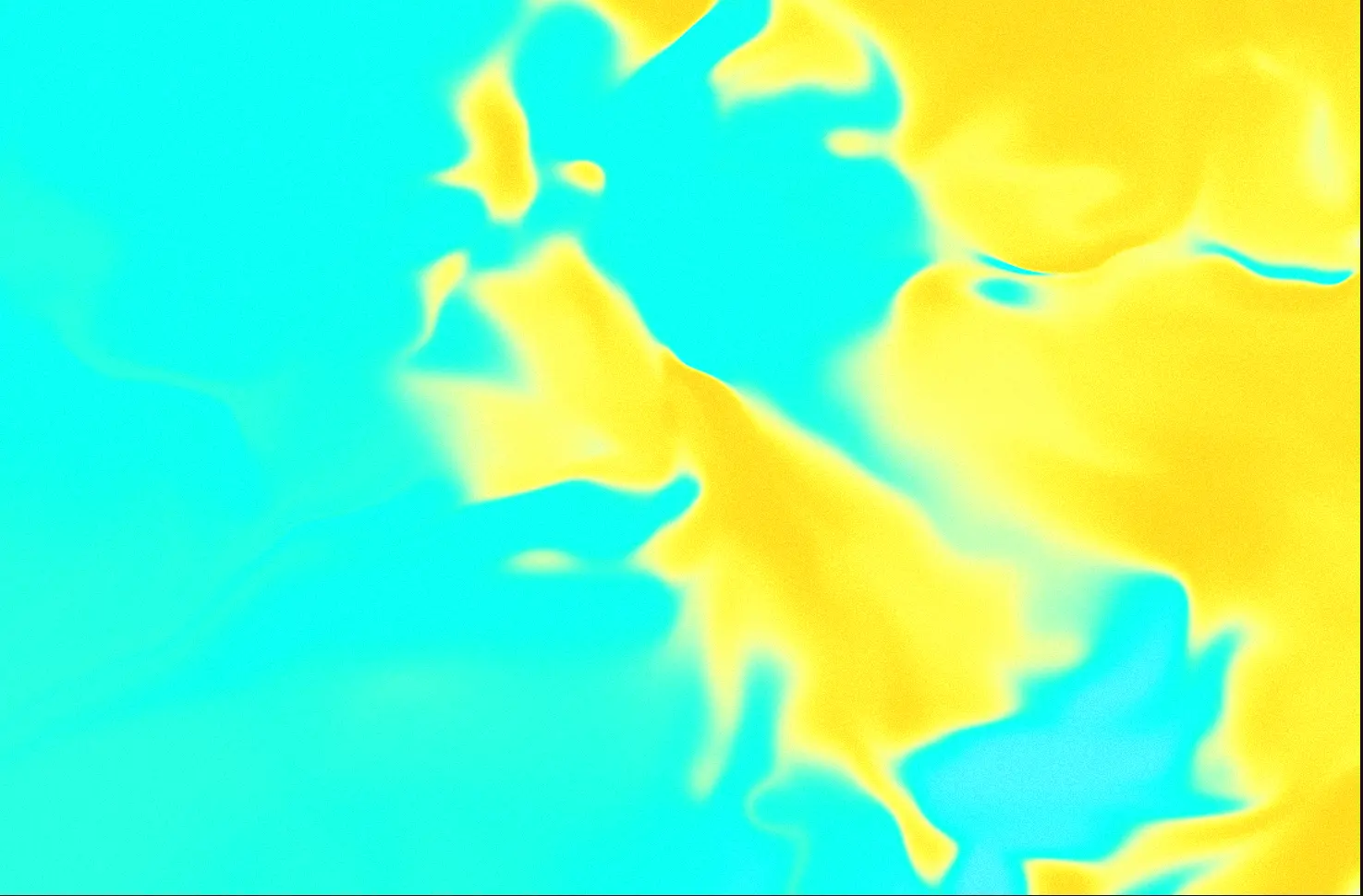
Gradients only. Soft blends do all forming in the shader, with no explicit mask layer besides the color ramp itself.

sketches/genuary-23.webp

Genuary 23

Inspired by brutalism. Raw massing, blunt edges, and restrained palettes in a raymarched brutalist mood with sober light.

sketches/genuary-24.webp

Genuary 24

A Genuary sketch: pick a circle, rectangle, or triangle and use only that primitive for the whole geometric composition.

sketches/genuary-25.webp

Genuary 25

One line that may or may not intersect itself. A single path bends into loops and figure knots without lifting the pen.

sketches/genuary-26.webp

Genuary 26

Symmetry. Mirrors and repeats fold space so balanced structure lands faster than freeform asymmetry would allow here.

sketches/genuary-27.webp

Genuary 27

No randomness, noise, or trig. Deterministic building blocks only, so repeats stay predictable in code and output.

sketches/genuary-28.webp

Genuary 28

Infinite scroll. Seamless tiling and looping UV read like an endless pan with no visible seam at the frame border.

sketches/genuary-29.webp

Genuary 29

Grid-based graphic design. Modular cells repeat with clear rhythm, margins, and a poster like systematic layout tone.

sketches/genuary-30.webp

Genuary 30

Abstract map. Noise shaped into terrain marks and stylized shores without spelling out a real world location name.

sketches/genuary-31.webp

Genuary 31

Pixel sorting. Compute reorders rows and columns to trade photographic accuracy for streaky glitch forward aesthetics.

Be the first to know what's next