New techniques and new ideas
I've been hard at work on Fragments content for the next season: new fundamentals lessons, new utilities, and a technique on cellular automata. Writing it all is satisfying: it sharpens my understanding, and I get to share it with everyone who's joined.
It also gives me room to try ideas in fresh shaders. So far that's turned into four new series that share a few central themes.
Volumetric Raymarching
Three of those series are built around volumetric raymarching. You march rays through a volume and, at each step, add a little light and density. Do that across the frame with one ray per pixel, and you get that soft, glowing fog look I've been chasing in these pieces.
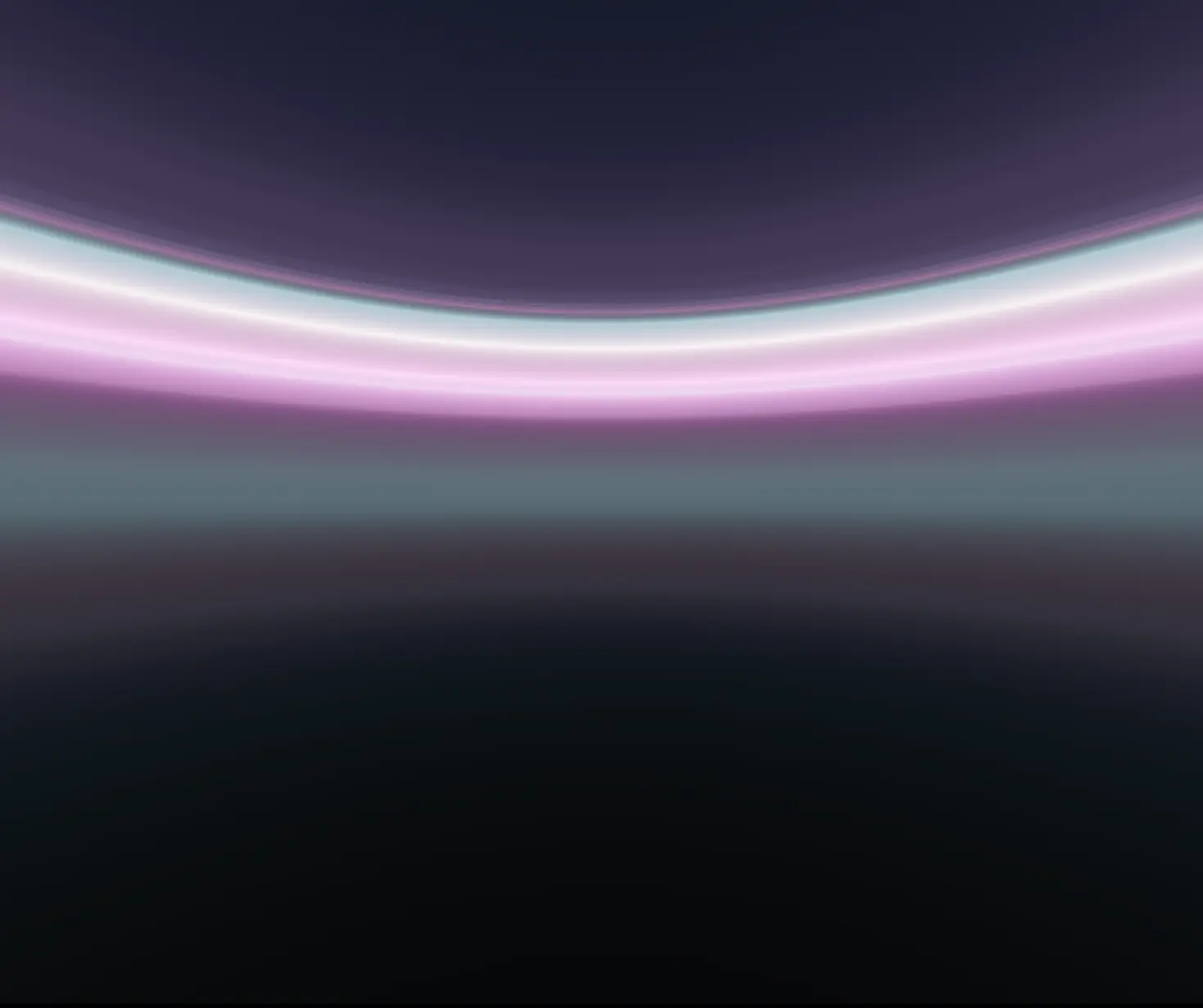
I've already shared some of this in Penumbra; since then I've pushed further with Singularity and Nebula.
It's the same underlying idea you see in fog, clouds, and nebula-style lighting: integrating density along a view ray, just nudged toward whatever shape or palette I'm after.
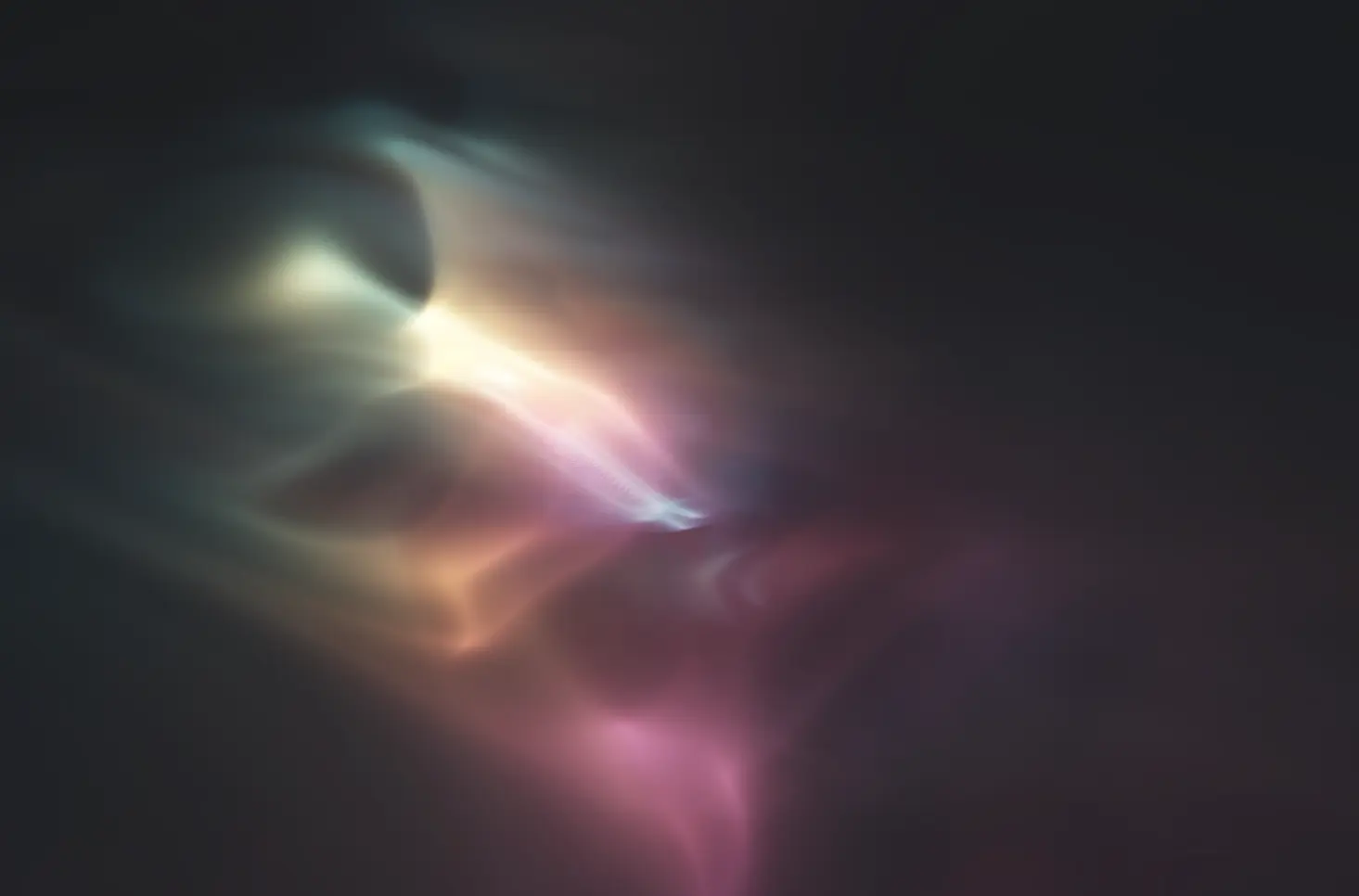
In Nebula, each pixel casts a ray through a mathematically defined volume of wispy density and color. Periodic distance modulation and layered color accumulation are what give those tangled, gaseous forms:
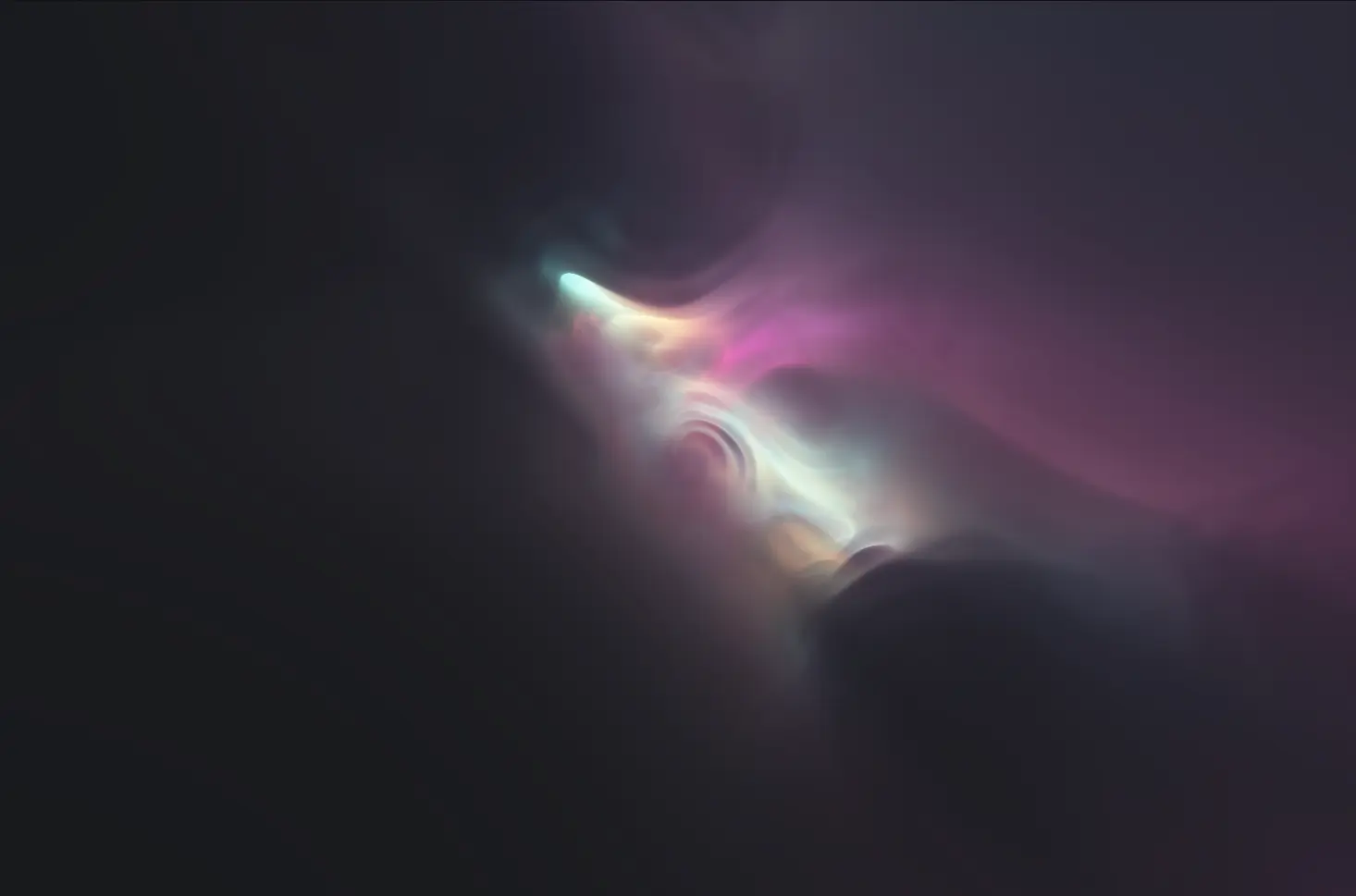
Each series uses the same core approach (I'd like to unpack it properly in a future technique article) with a different shape or volume driving the look. The Singularity pieces use a gyroid, for instance.
They all run through a generative system I built so I can explore parameters and combinations and land on a wide range of looks. A lot of the fun is still just twisting knobs and seeing what shows up. I wrote about the setup in Generative System if you want to reuse the same idea.
Cellular Automata
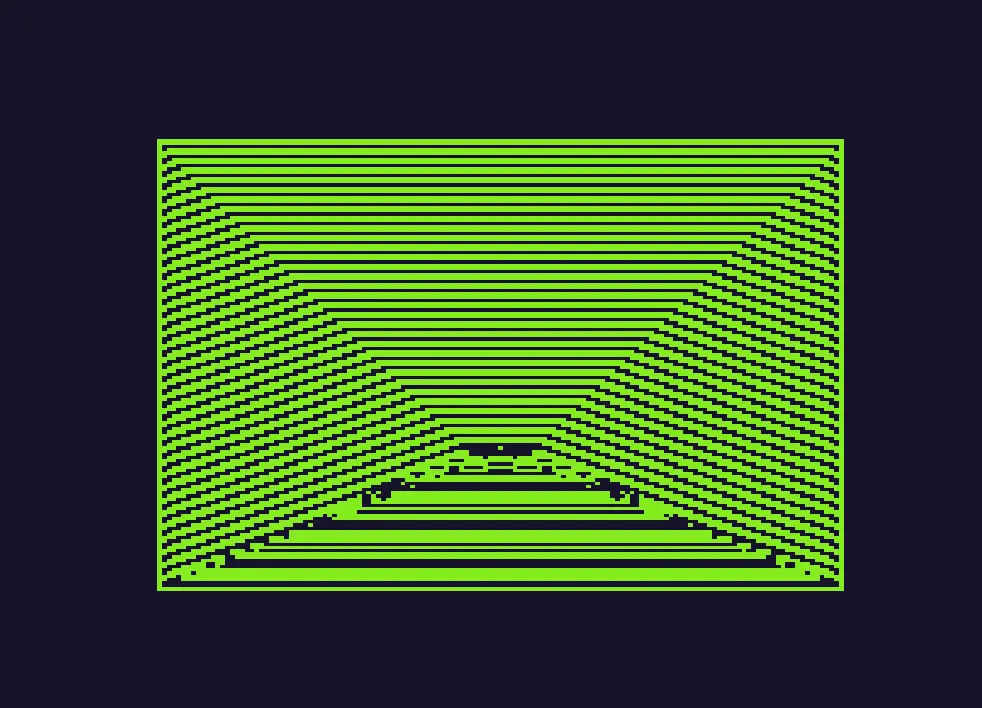
The next season adds a technique on cellular automata, plus a shader series called Emerge.
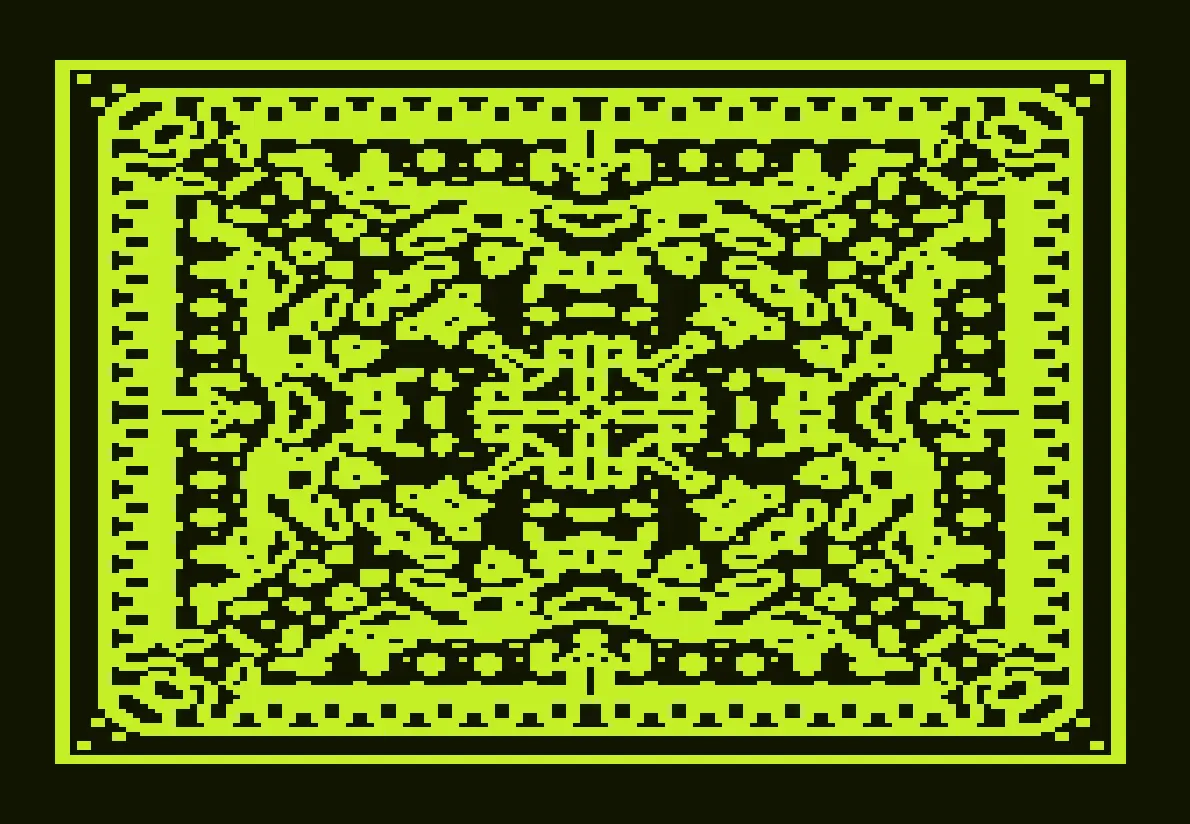
One of my favourite prompts from Genuary 2026 was to build a cellular automaton that breaks the rules. I loved working on that one, so going deeper into a full technique and a whole series of shaders felt like the obvious next step.
Releasing in May
I'm happy with how things are moving, and it still looks on track for a May release. The next season of Fragments will include:
- A new technique:
Cellular Automata Emerge: shaders built on cellular automataSingularity,Nebula, andPenumbra: three new series built on volumetric raymarching- Five new
Fundamentalslessons - One new
Basicslesson
I'm really looking forward to getting all of this finished and out to everyone.
That's it for this newsletter. See you in the next one.