I'm back for Genuary 2026!
Phew! It's been a while since I last posted a newsletter. January always manages to get away from me, but I'm back for another year of Genuary.
I mentioned this in an earlier newsletter, but I'll repeat it here: Genuary is a month-long creative coding challenge that runs every January. Each day has a prompt — sometimes technical, sometimes conceptual — and the goal is to create something generative that responds to it.
For me, Genuary 2025 was the true kickstarter for Fragments. The daily challenge and practice really ignited my passion for generative art and pushed me into the world of creative coding. For Genuary 2026, I pushed everything I've learned to the next level — using every technique and utility in the collection I could.
All 24 shaders I managed to complete
There are 31 prompts in total, and as much as I wanted to complete all of them, I had to draw the line somewhere. I ended up completing 24 shaders — a pretty good haul for a month of daily challenges. Most of them are linked below; a few didn't make it into a shareable state, or I ran out of time to polish them. Grab a coffee — here we go.
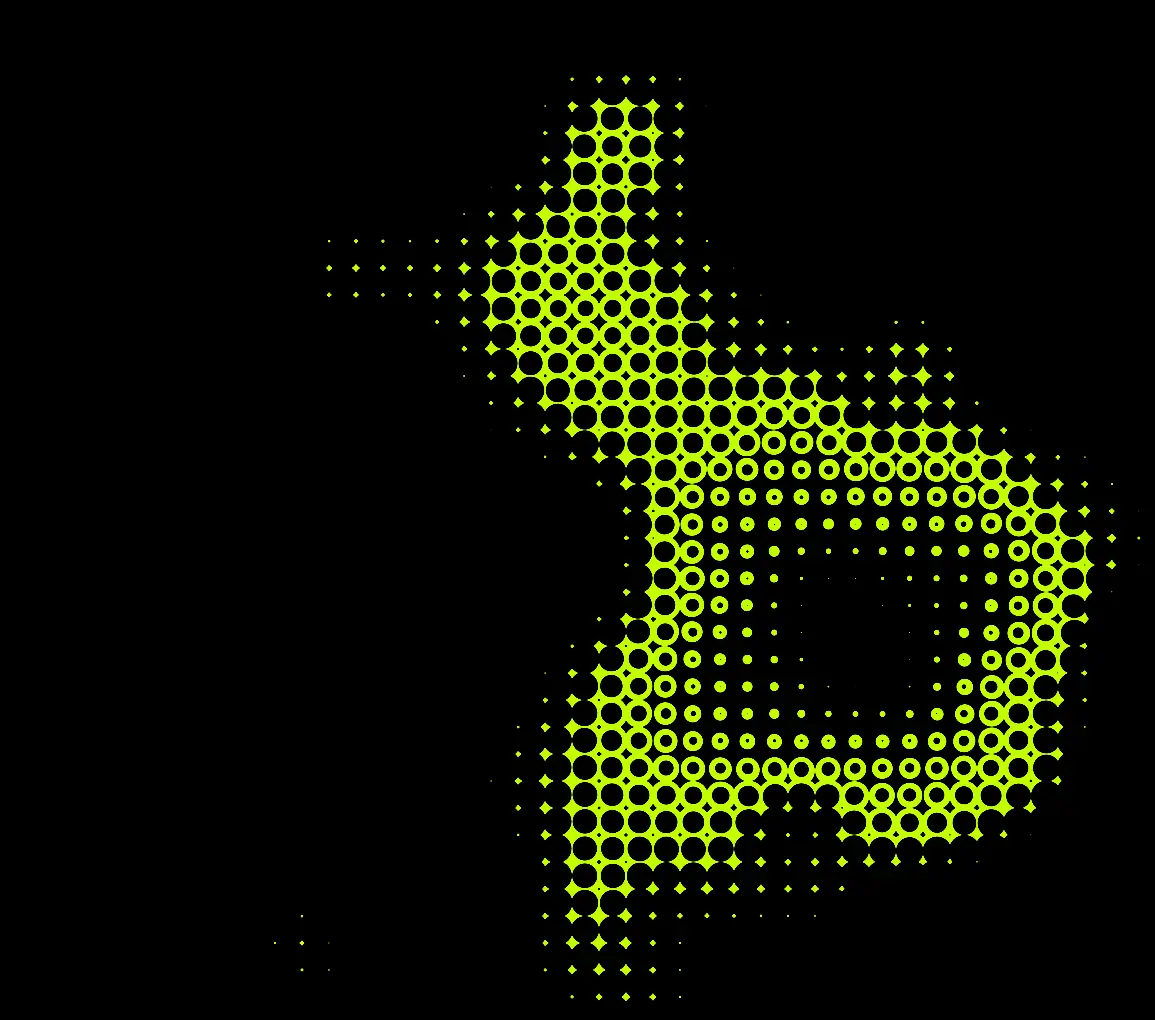
Genuary 1: One color, one shape
Genuary 1 started simple. I created a repeating grid of spheres with noise-modulated edges — fractal Brownian motion warps the sphere edges into organic variation. The constraint forced me to focus on form rather than colour. This shader was inspired by the direction of an upcoming game called Marathon.
Genuary 2: The 12 principles of animation
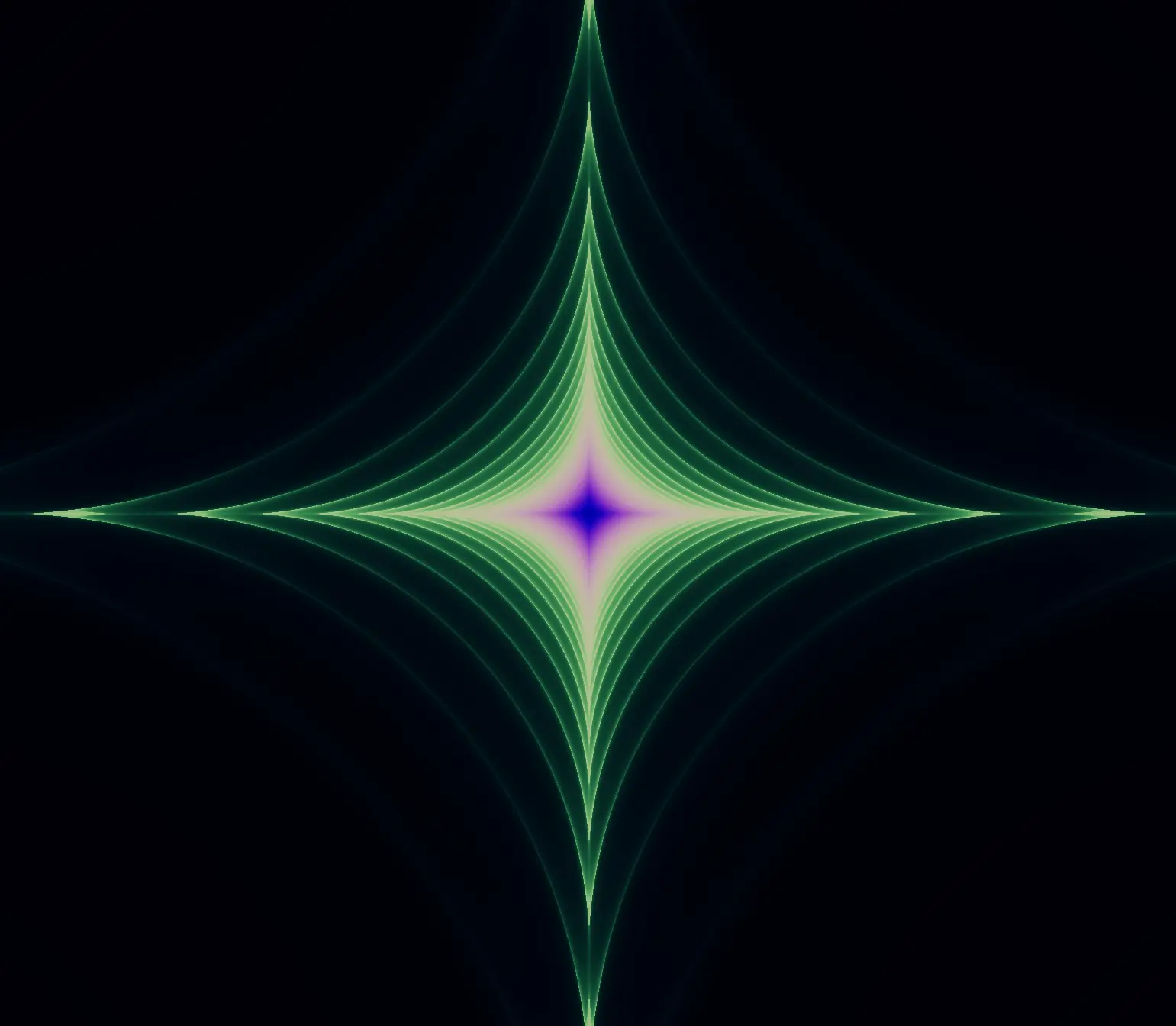
Genuary 2 was the first of many shaders where I used raymarching. This one explored the principle of staging — repeating spheres in 3D space with dynamic iteration counts create a tunnelling effect that guides the eye. One of my favourite shaders in the whole collection.
Genuary 3: Fibonacci forever
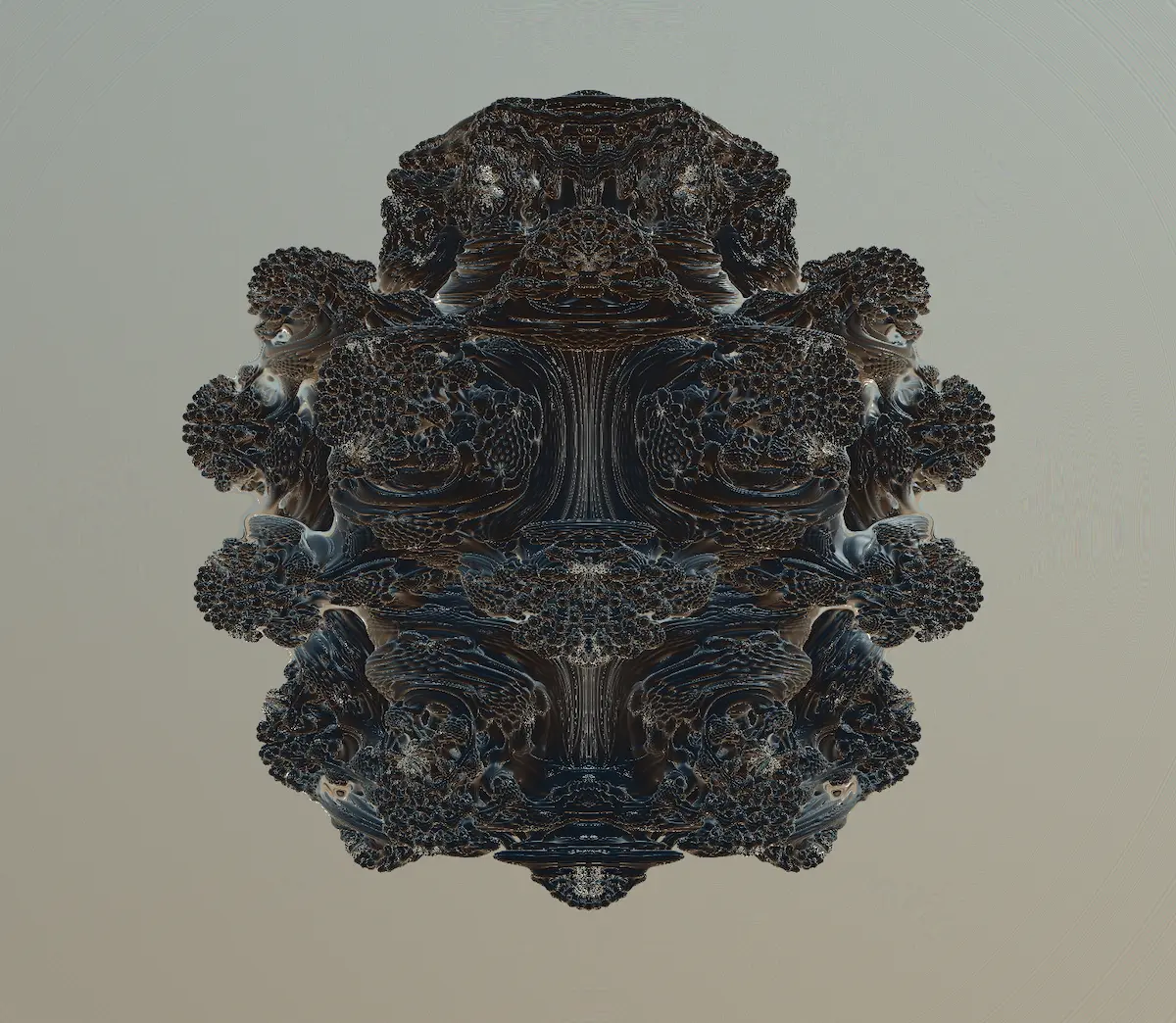
Genuary 3 pushed me into a Mandelbulb fractal — a 3D extension of the Mandelbrot set. This gave me a great opportunity to upgrade the lighting model I use in my raymarching sketches.
Genuary 4: Lowres
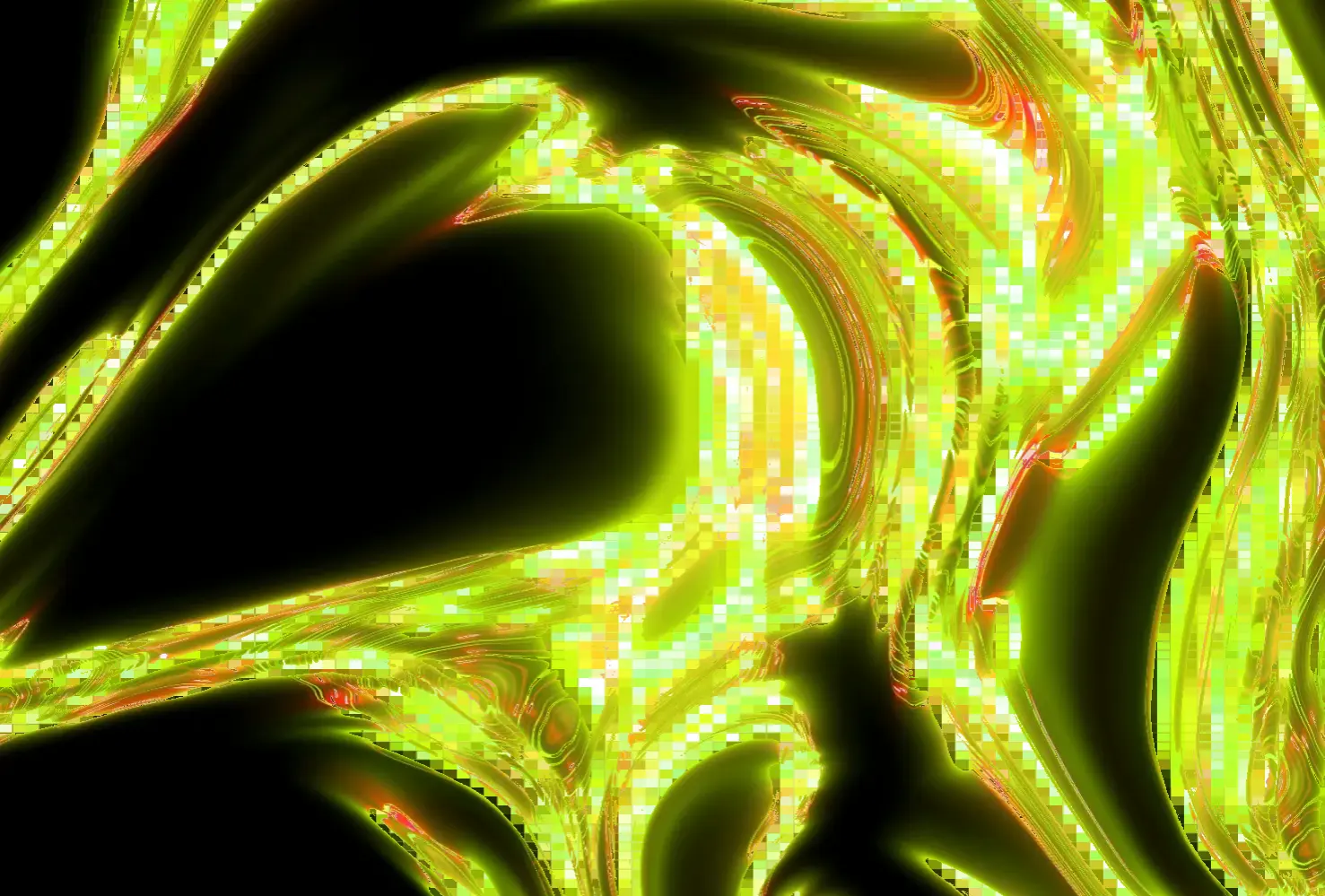
Genuary 4 uses Pixellation selectively — perceptual luminance masks where the effect applies. Dark areas stay sharp; bright areas get that retro pixel look.
Genuary 5: Writing the word "Genuary" without using a font
Genuary 5 "spelled" Genuary in Morse code — --. . -. ..- .- .-. -.-- — animating through the sequence as a visual signal rather than typography. One of those prompts you can interpret in completely different ways, and another of my favourites for this year.
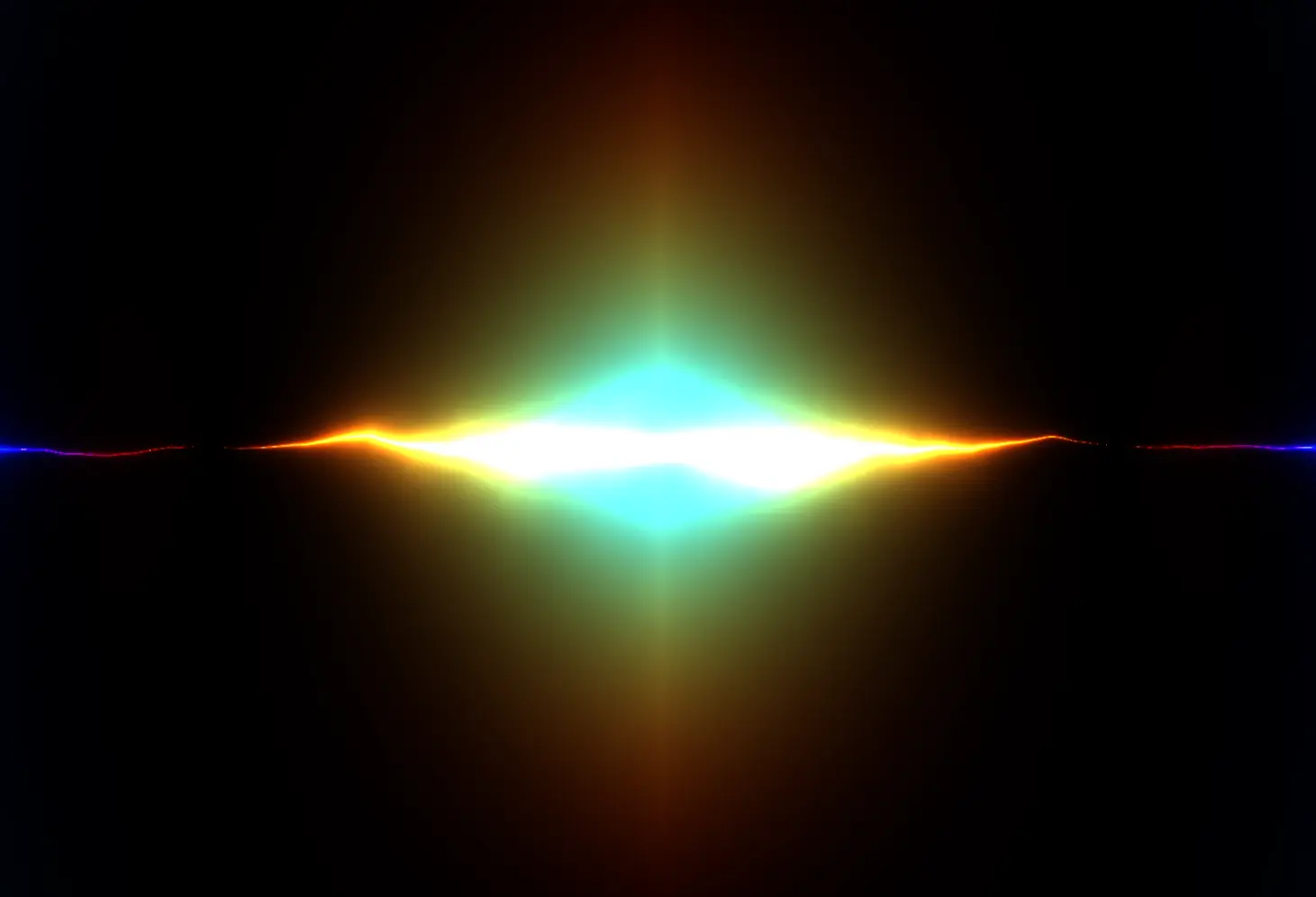
Genuary 6: Lights on/off
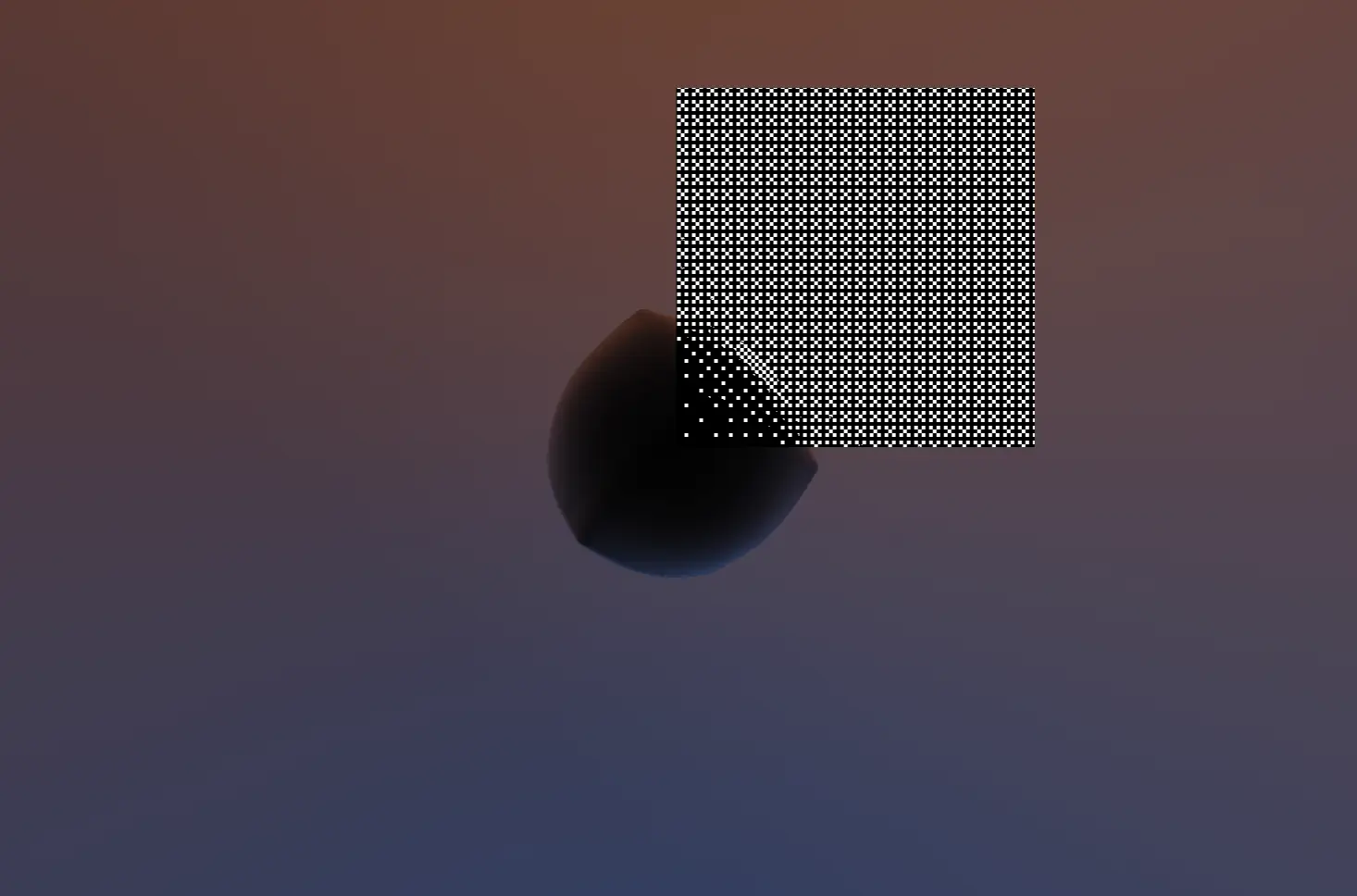
Genuary 6 switches between two modes every 2 seconds. "Lights off" uses dithering for a low-res digital look; "lights on" shows the full raymarched scene. The transition mask creates a clean cut across the screen.
Genuary 7: Boolean algebra
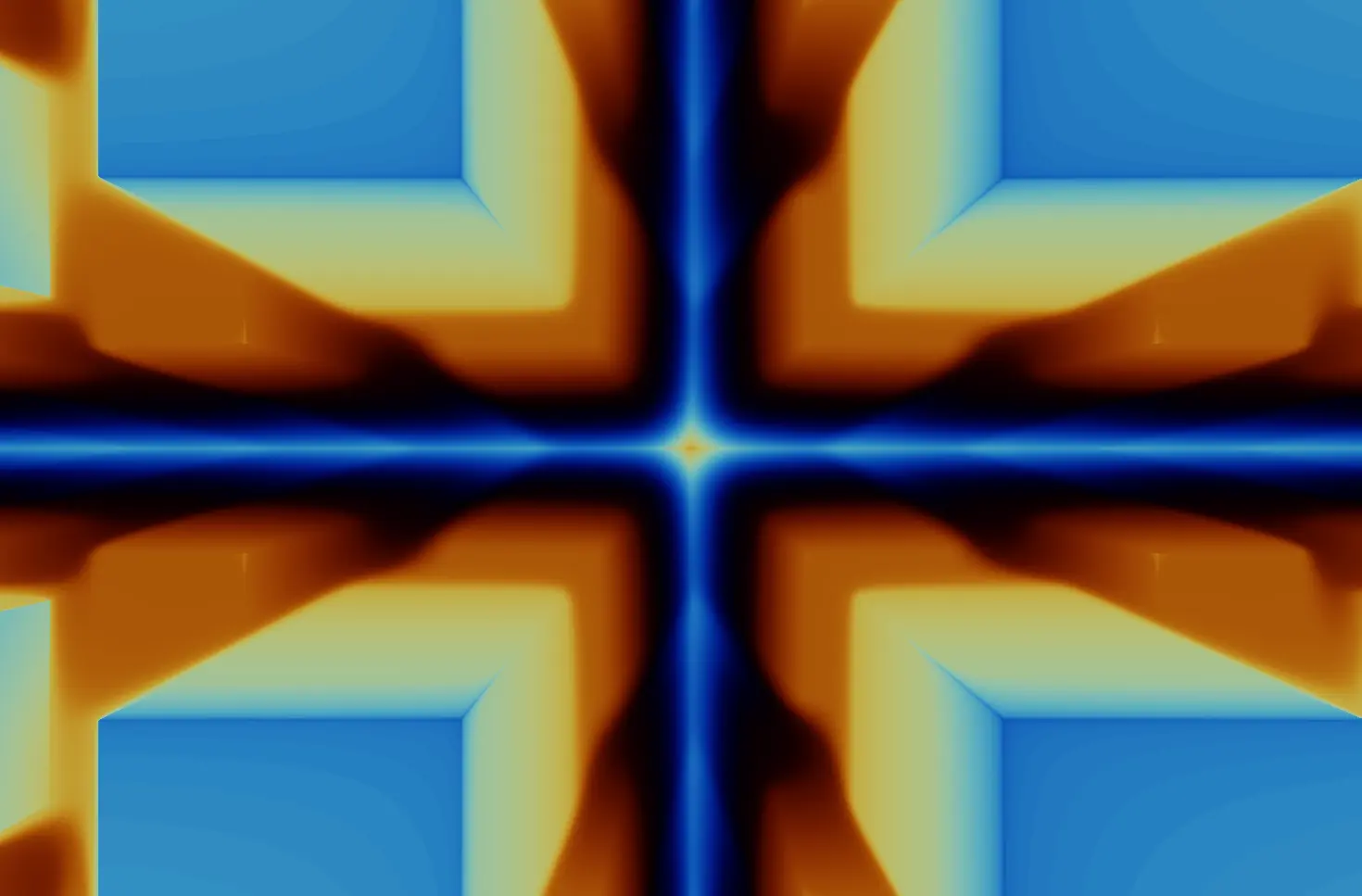
Genuary 7 — Boolean operations on SDFs: union, intersection, difference. Raymarching makes these feel natural — combine shapes with math and the GPU renders the result. Another raymarching sketch.
Genuary 8: A City
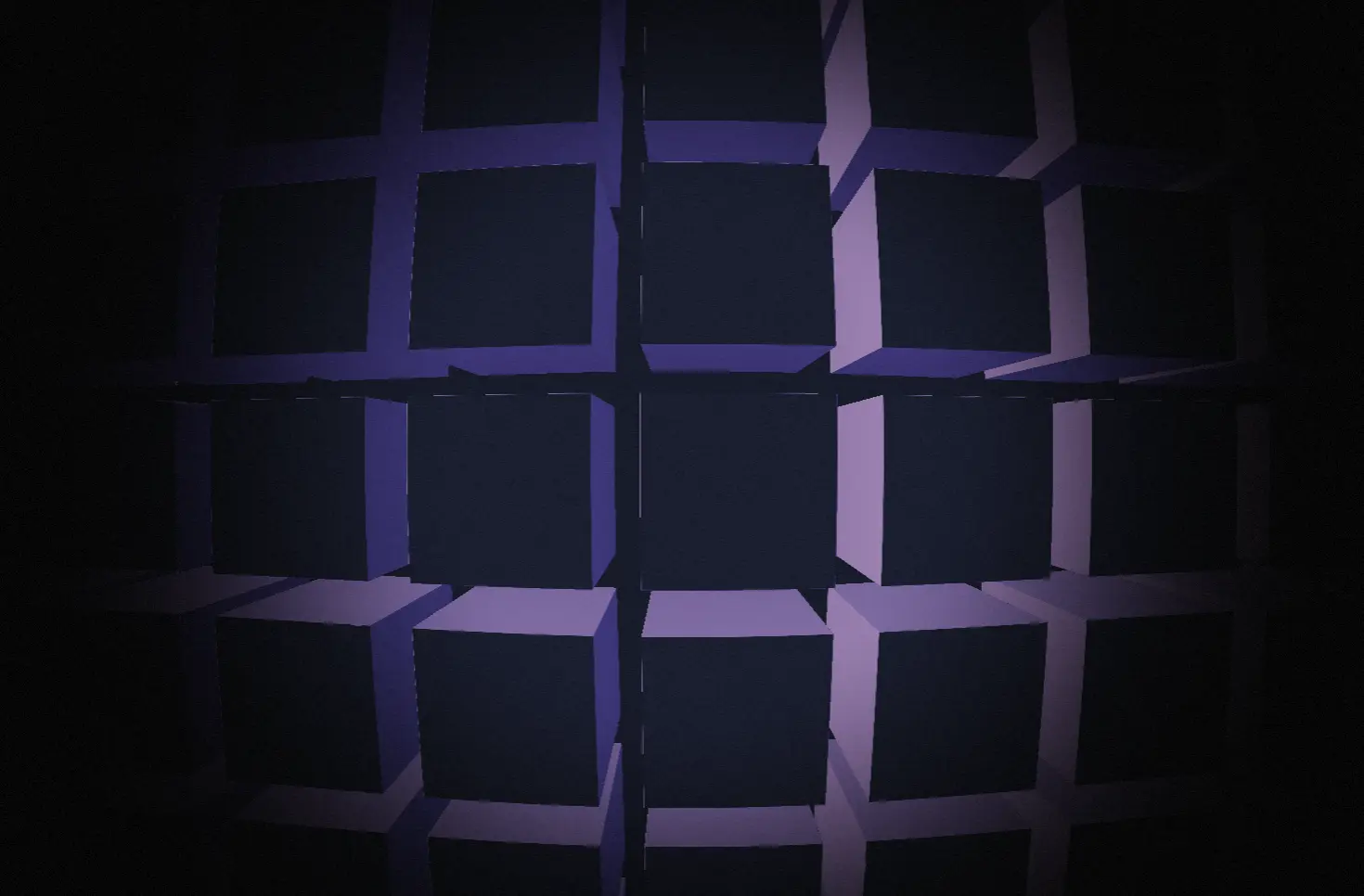
Genuary 8 — a generative metropolis built from simple cubes (using, you guessed it, raymarching). Domain repetition and height variation create the illusion of a sprawling cityscape.
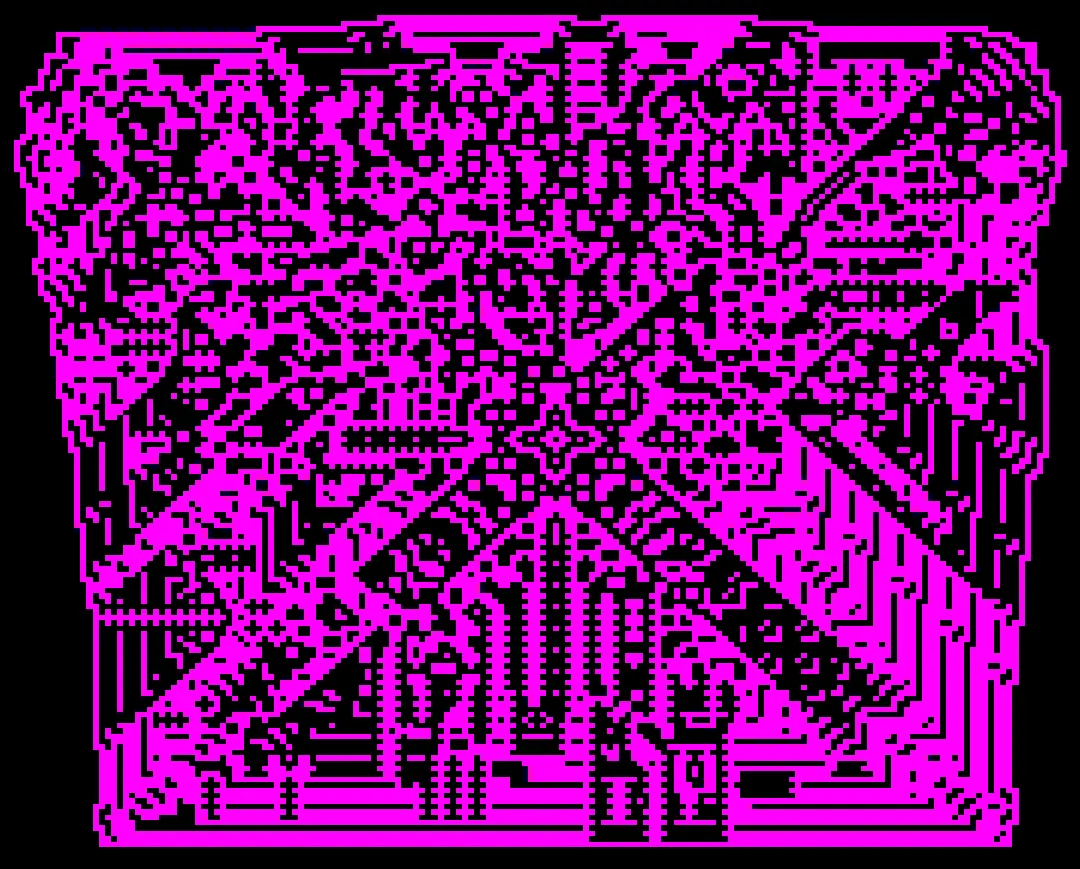
Genuary 9: Crazy automaton
Genuary 9 — cellular automata with non-standard rules. The grid evolves in unexpected ways. Of all the shaders from this year, this is the one I'm keenest to revisit — perhaps with another technique later.
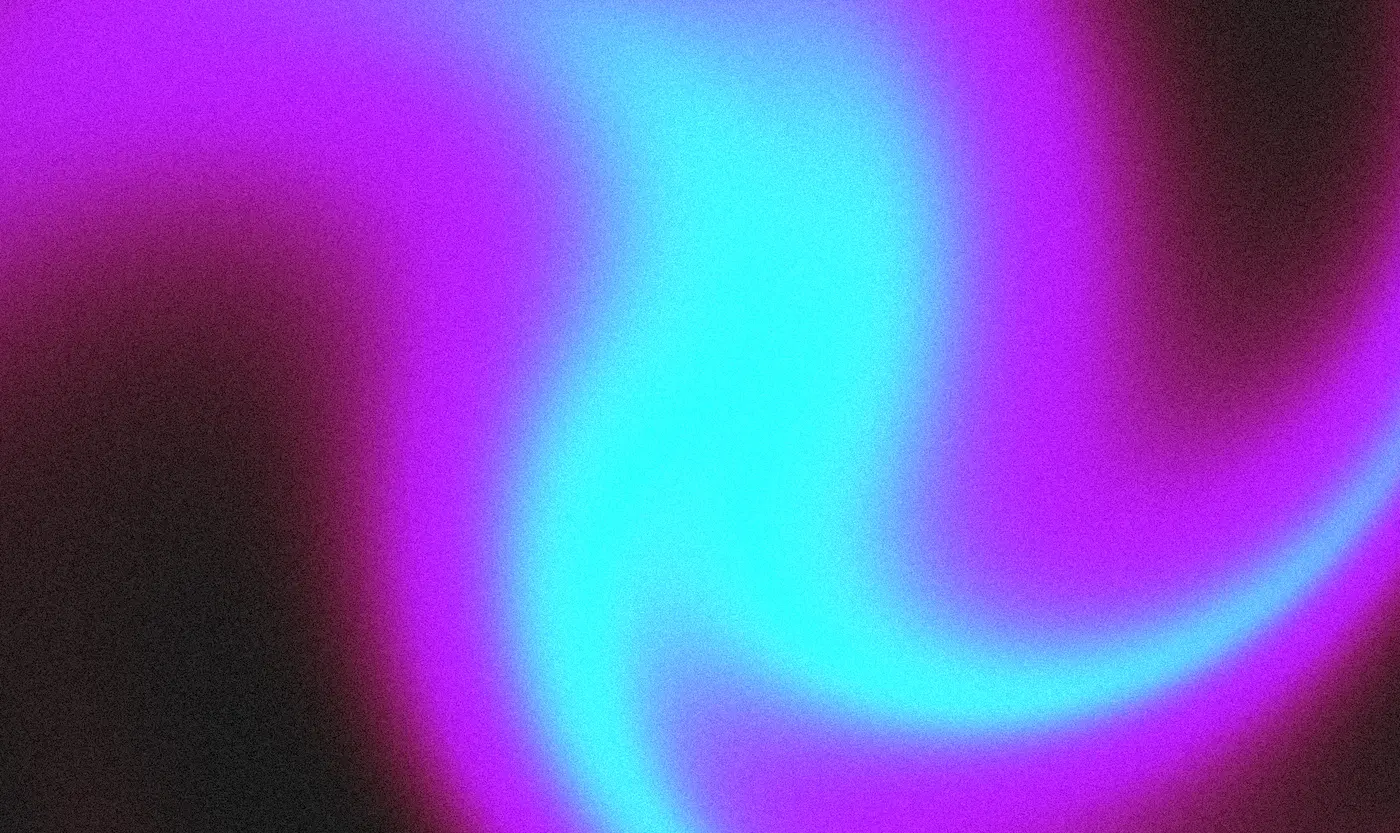
Genuary 10: Polar coordinates
Genuary 10 — polar space creates natural radial patterns. I combined procedural colour palettes and swirl distortion to build the shape, then pushed the levels with tonemapping. Another favourite.
Genuary 12: Boxes only
Genuary 12 — I liked the simplicity of this one. Domain repetition creates a repeating, almost recursive pattern of boxes. The constraint of a single primitive forces interesting composition.
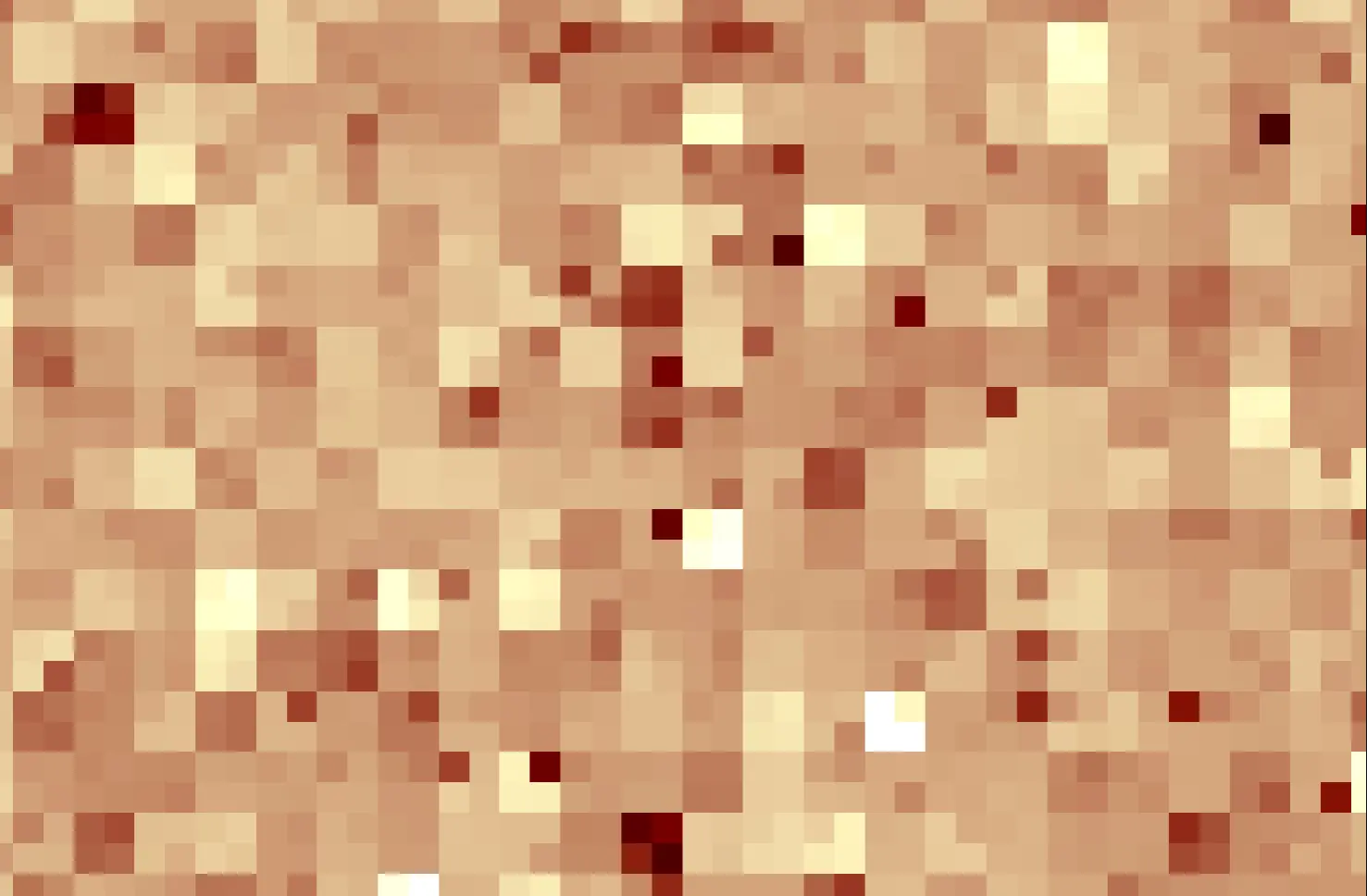
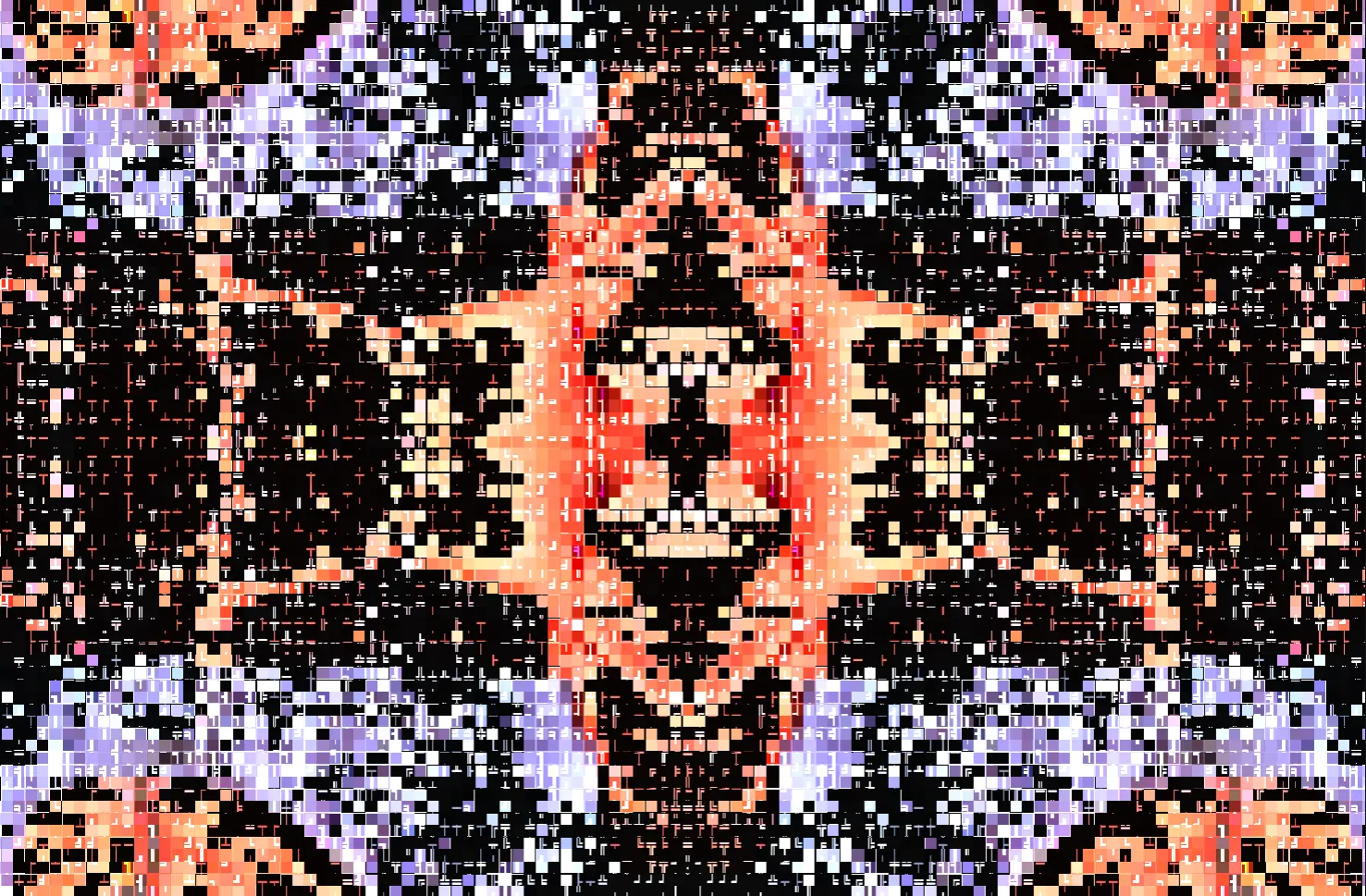
Genuary 13: Self portrait
Genuary 13 — I crushed the life out of the colours and used a cool ASCII effect I learned from Maxime Heckel.
Genuary 14: Everything fits perfectly
Genuary 14 — Back to the well with this one. I hadn't done a fractal in a while but it was the first thing that came to mind. I liked it so much it now features on the Fragments homepage.
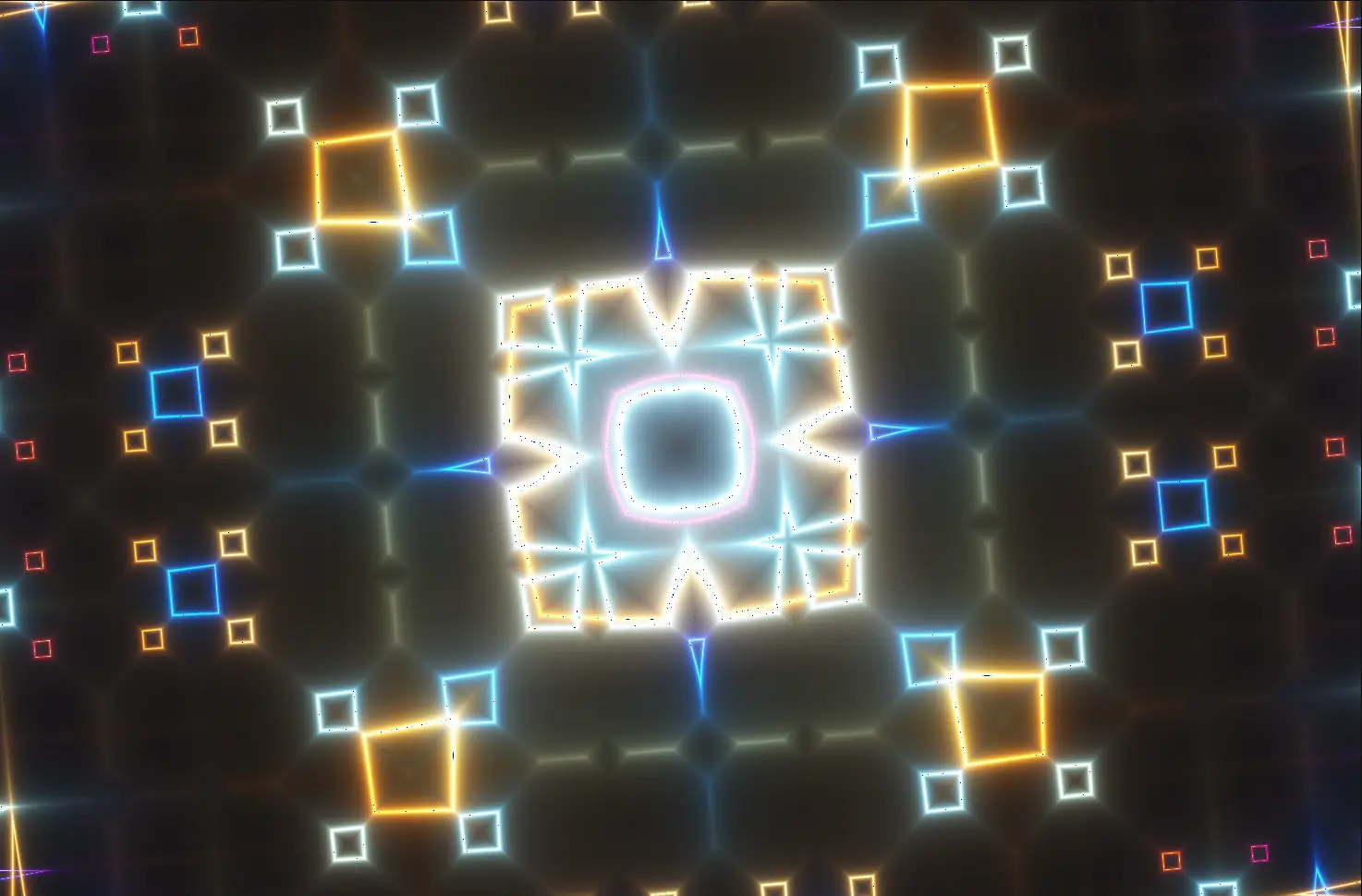
Genuary 16: Order and disorder
Genuary 16 — I've been building a visual sequencer tool with everything I've created in Fragments so far. It's far from finished, but it's an amazingly fun way to explore the collection and see how different techniques can be combined. This shader uses a ton of different distortions and post-processing effects.
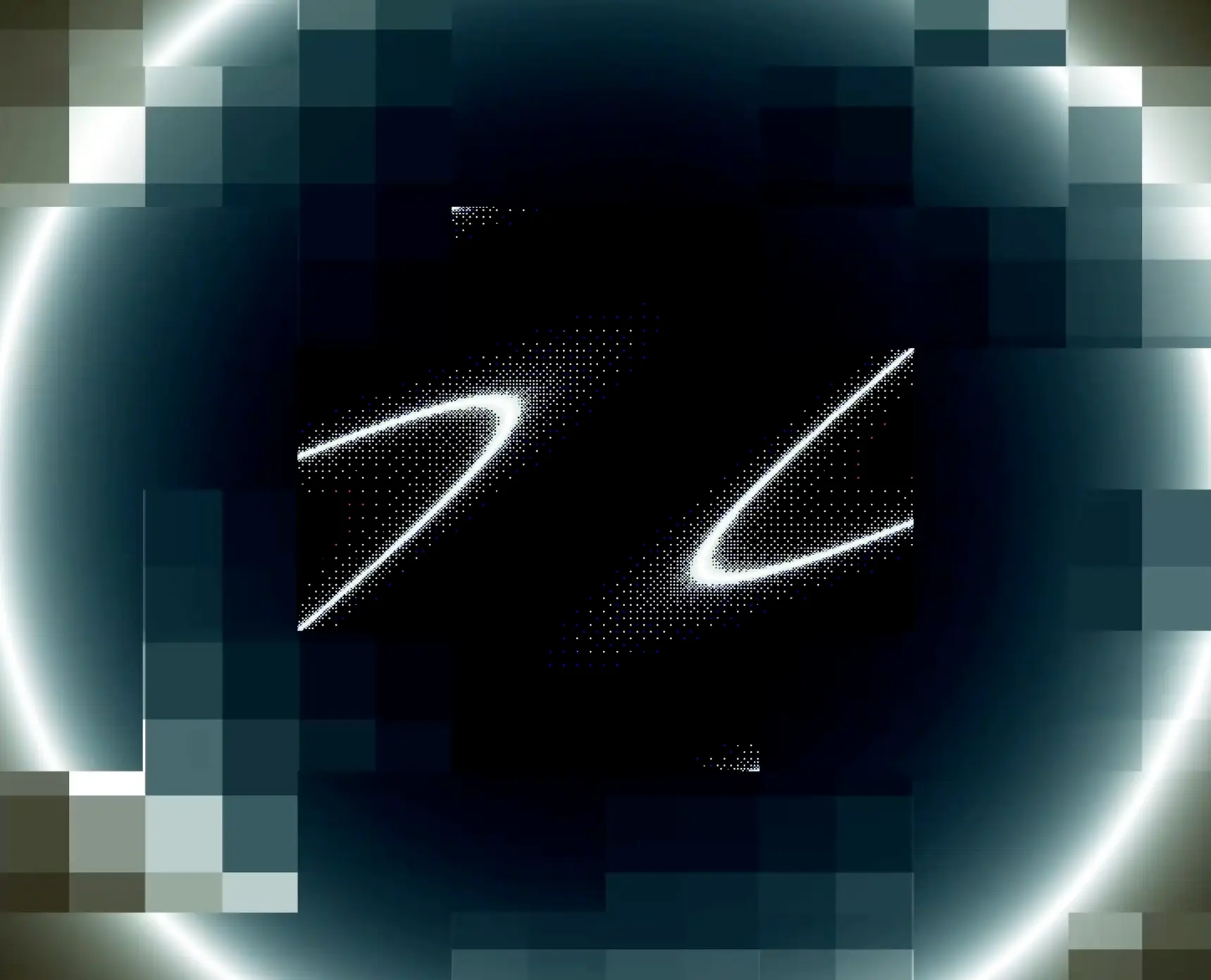
Genuary 17: Wallpaper group
Genuary 17 — there are only 17 ways to tile a plane. Domain repetition makes exploring them straightforward.
Genuary 19: 16x16
Genuary 19 — I dusted off some volumetric raymarching explorations I've been working on and off, then completely ruined the effect with a pixellation pattern.
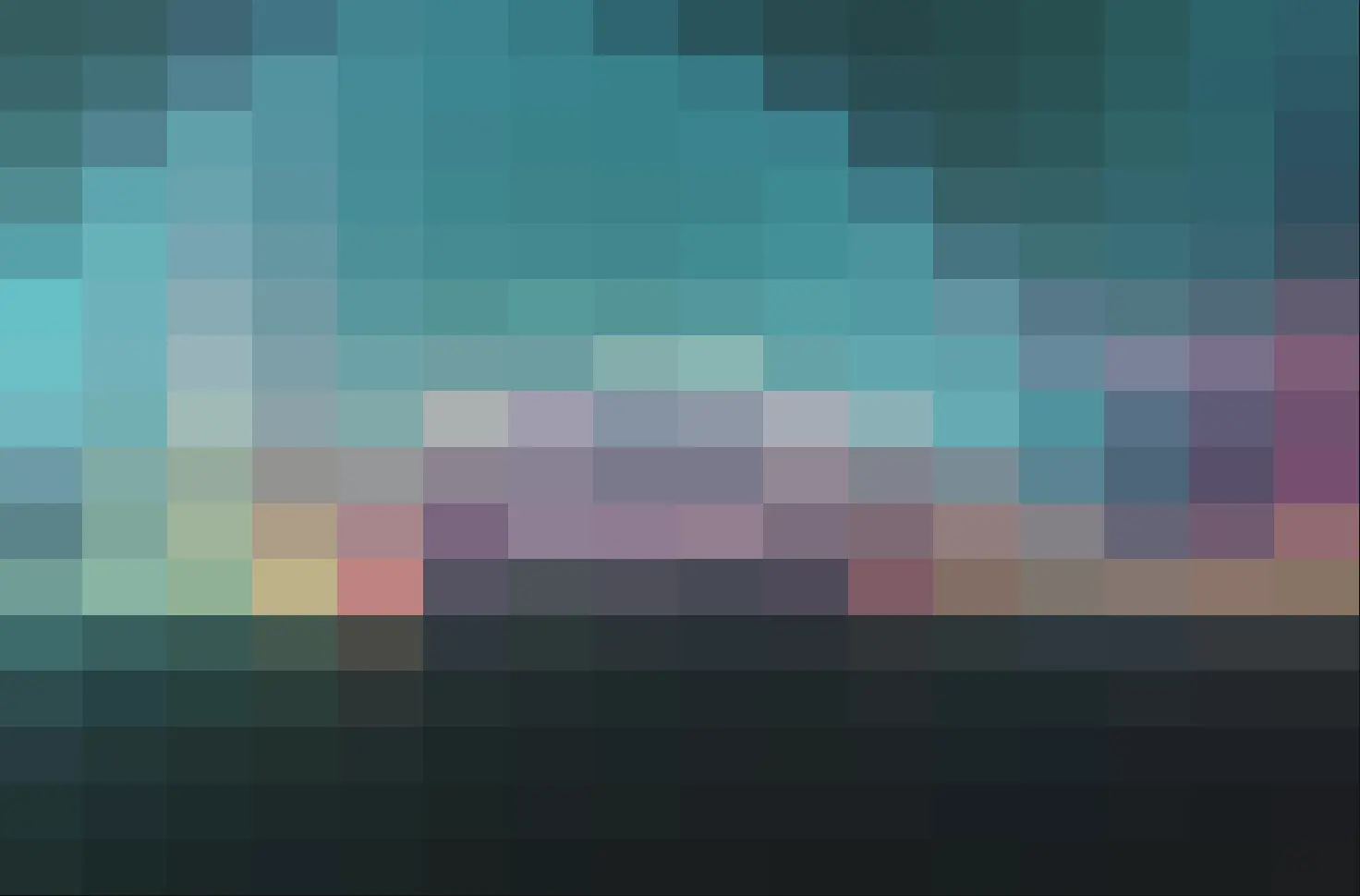
Genuary 20: One line
Genuary 20 — It's amazing what you can do with a single line, noise functions and a whole lot of distortion.
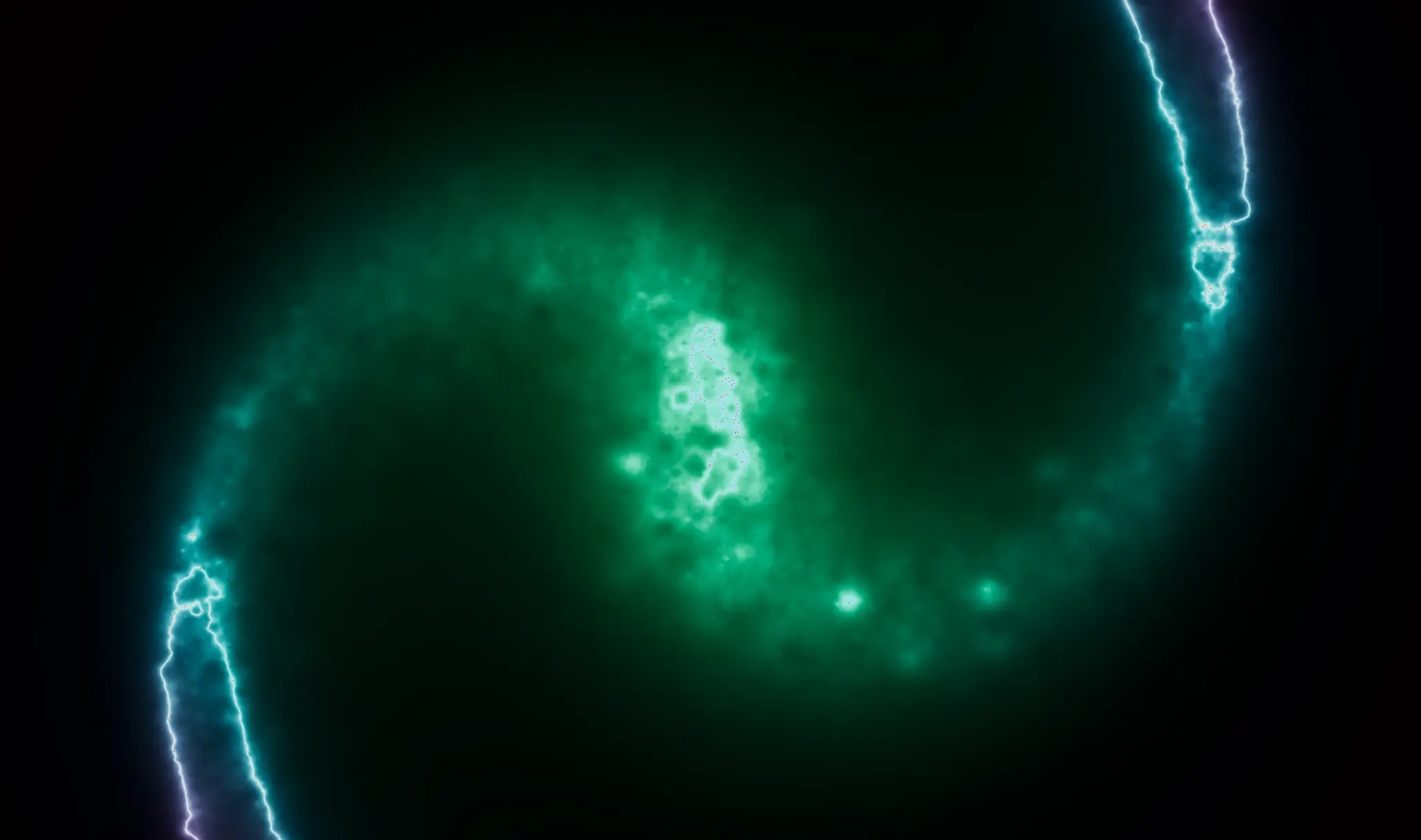
Genuary 21: Bauhaus poster
Genuary 21 — I loved this prompt. I recreated a favourite poster of mine using geometric shapes.
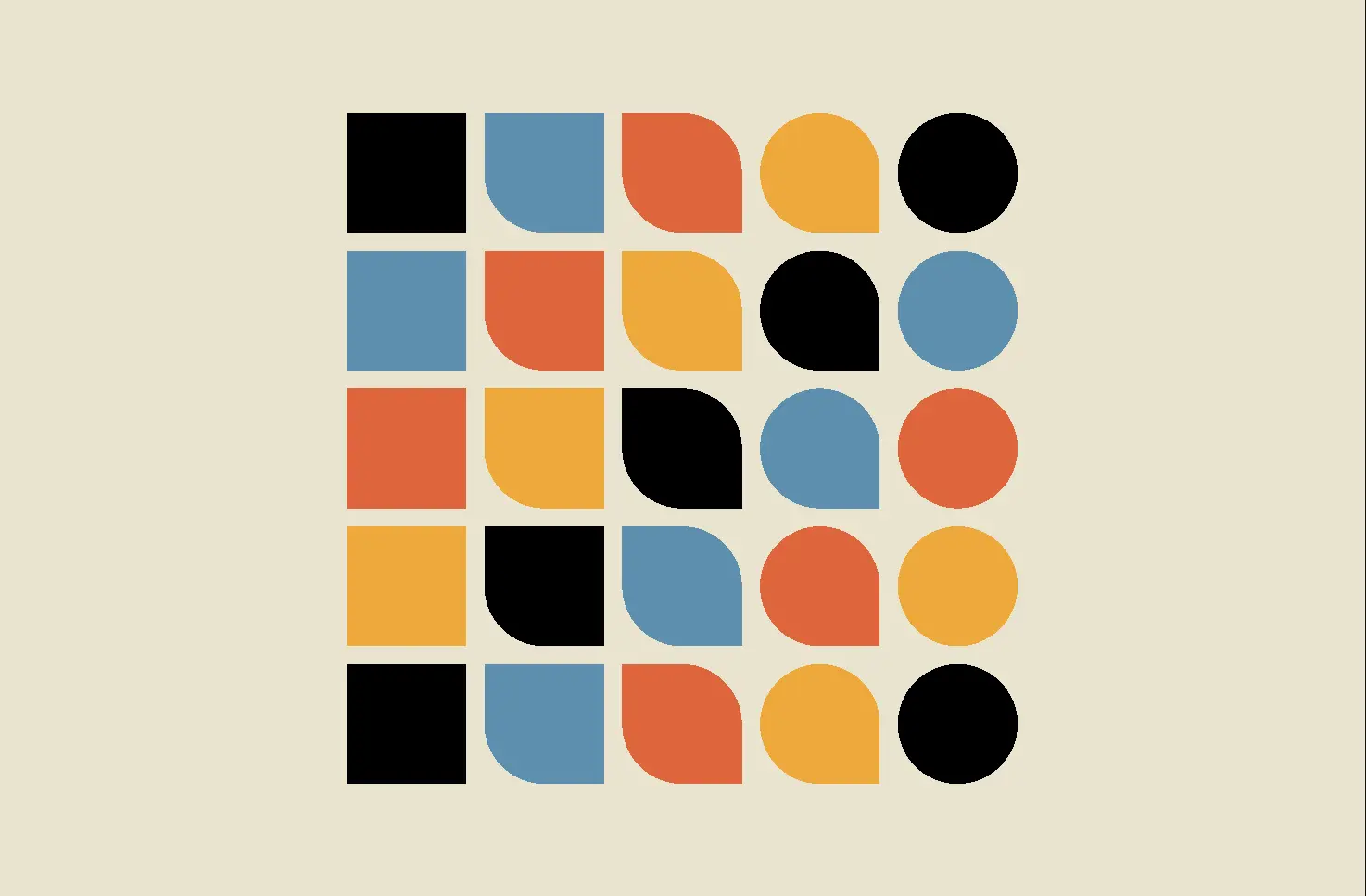
Genuary 23: Transparency
Genuary 23 — A simple output with vibrant colours. Things don't have to be complex.
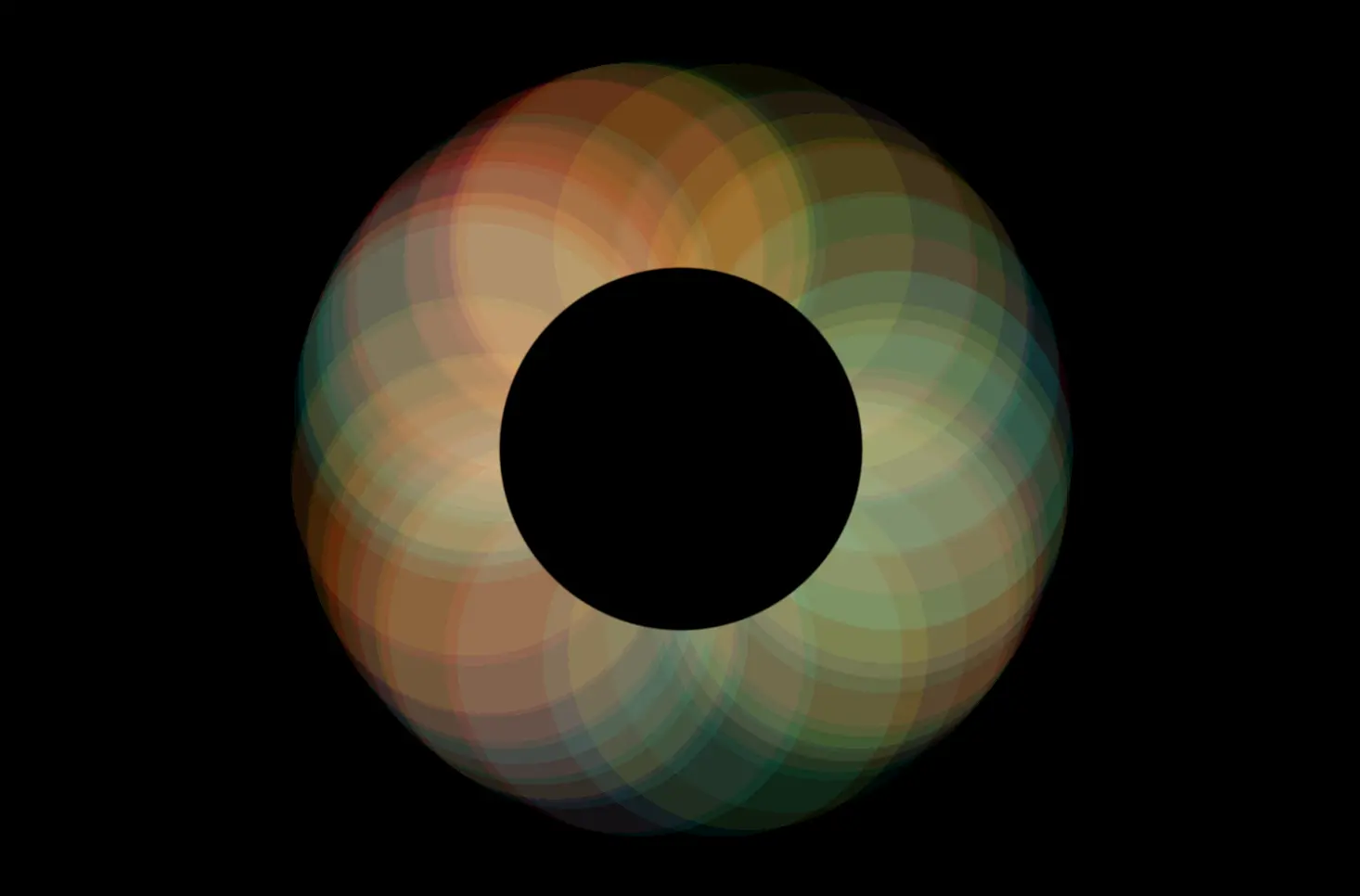
Genuary 24: Perfectionist's nightmare
Genuary 24 — I enjoyed playing with transparency and adding that little wrinkle of imperfection.
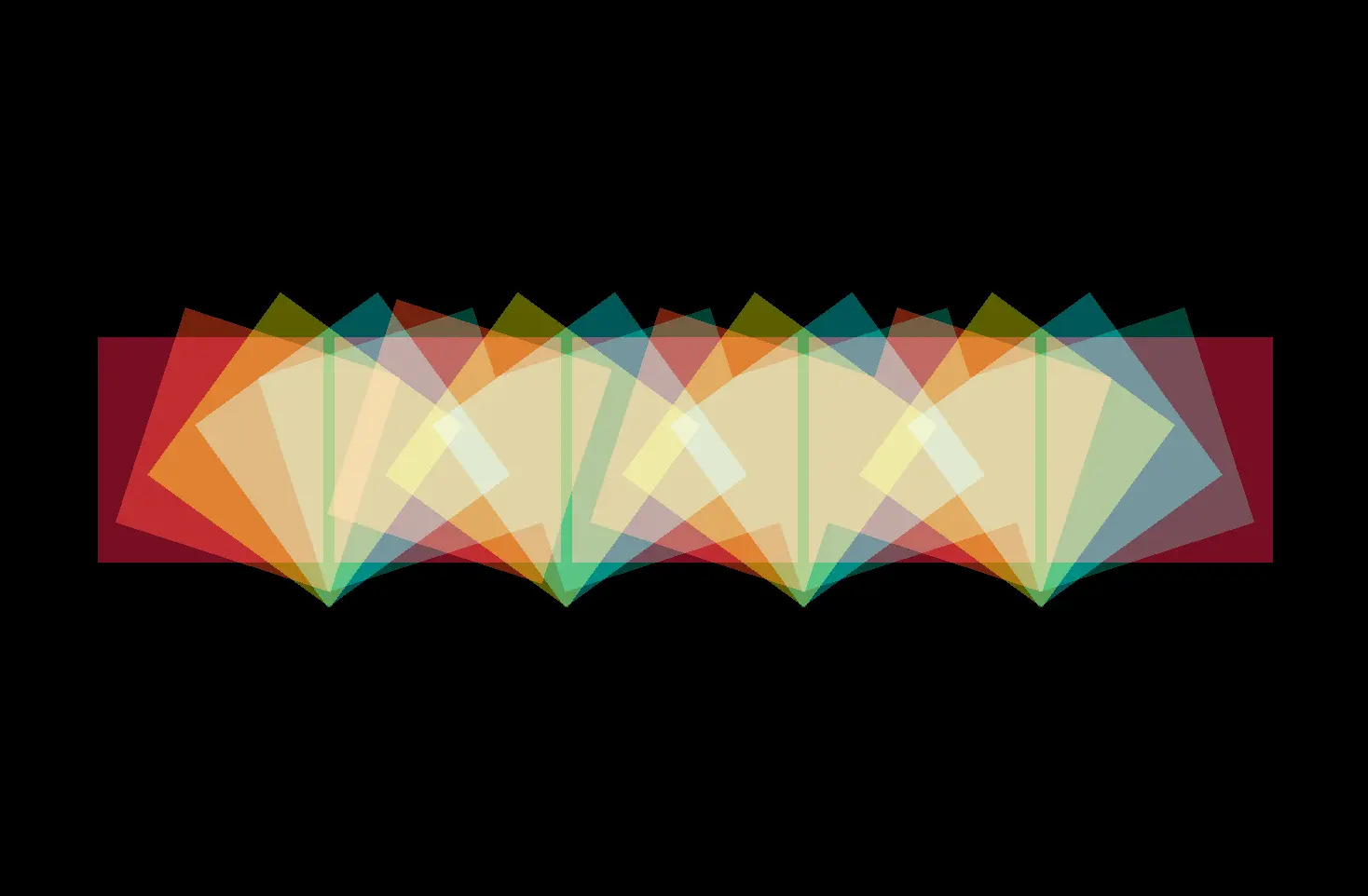
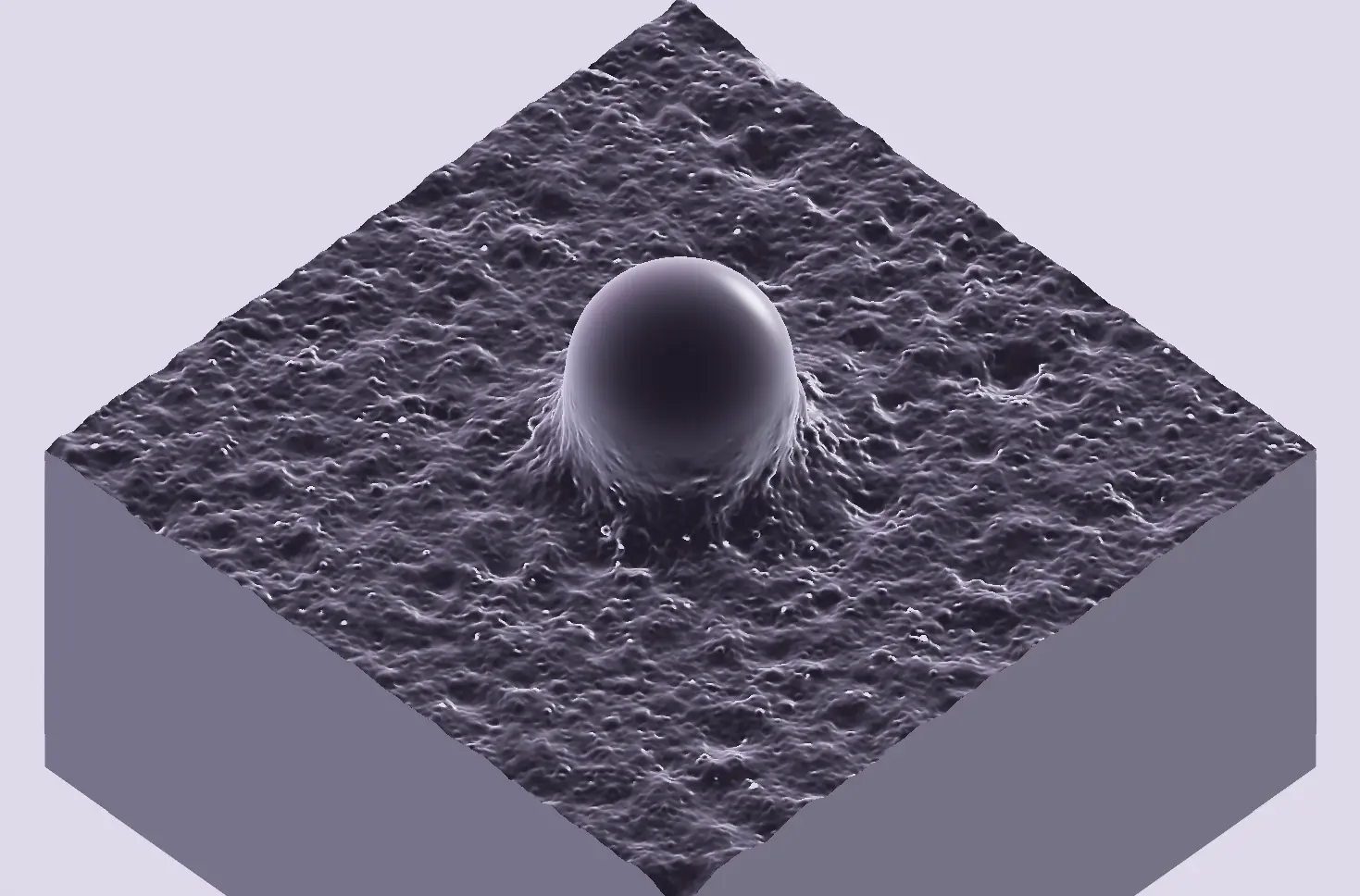
Genuary 25: Organic geometry
Genuary 25 — Inspired by thalassophobia and existential cosmic horror. Another favourite. This one combines raymarching and an isometric projection to create something otherworldly.
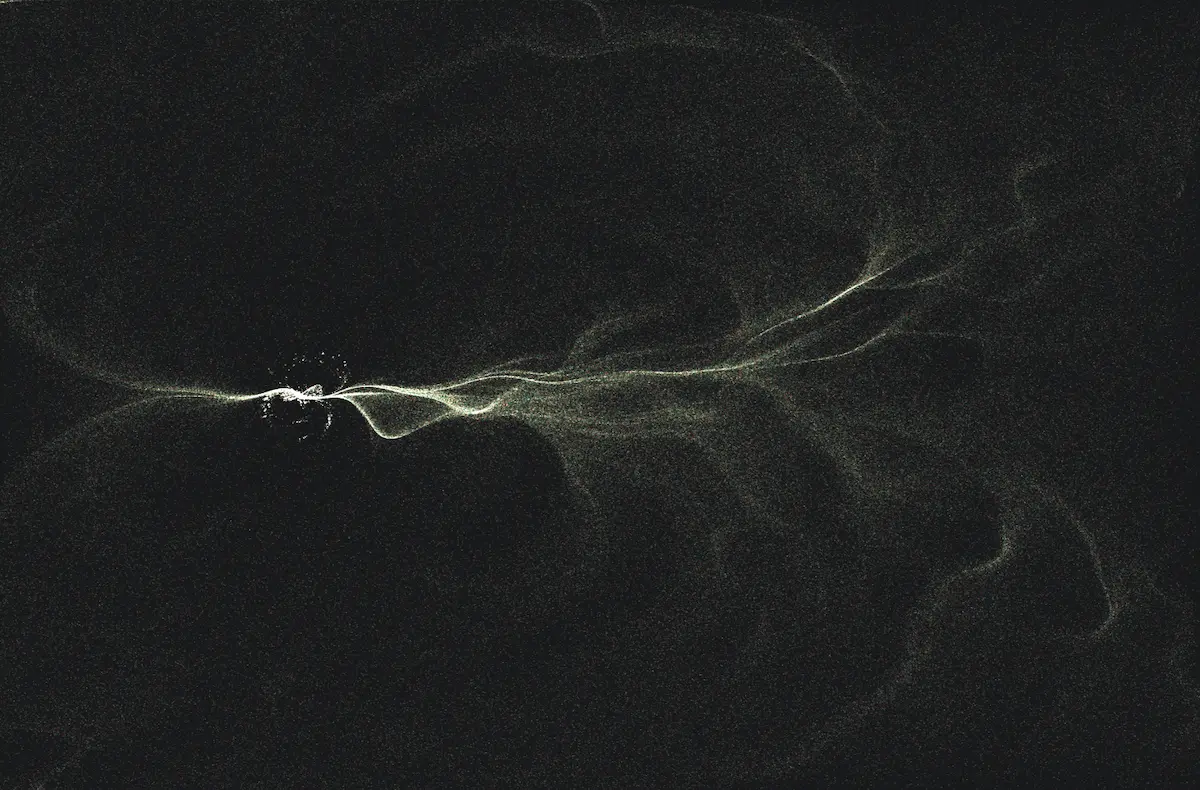
Genuary 27: Lifeform
Genuary 27 — a shape that behaves as if it's alive. Flow fields create organic, growing movement. Nice to get back to this technique.
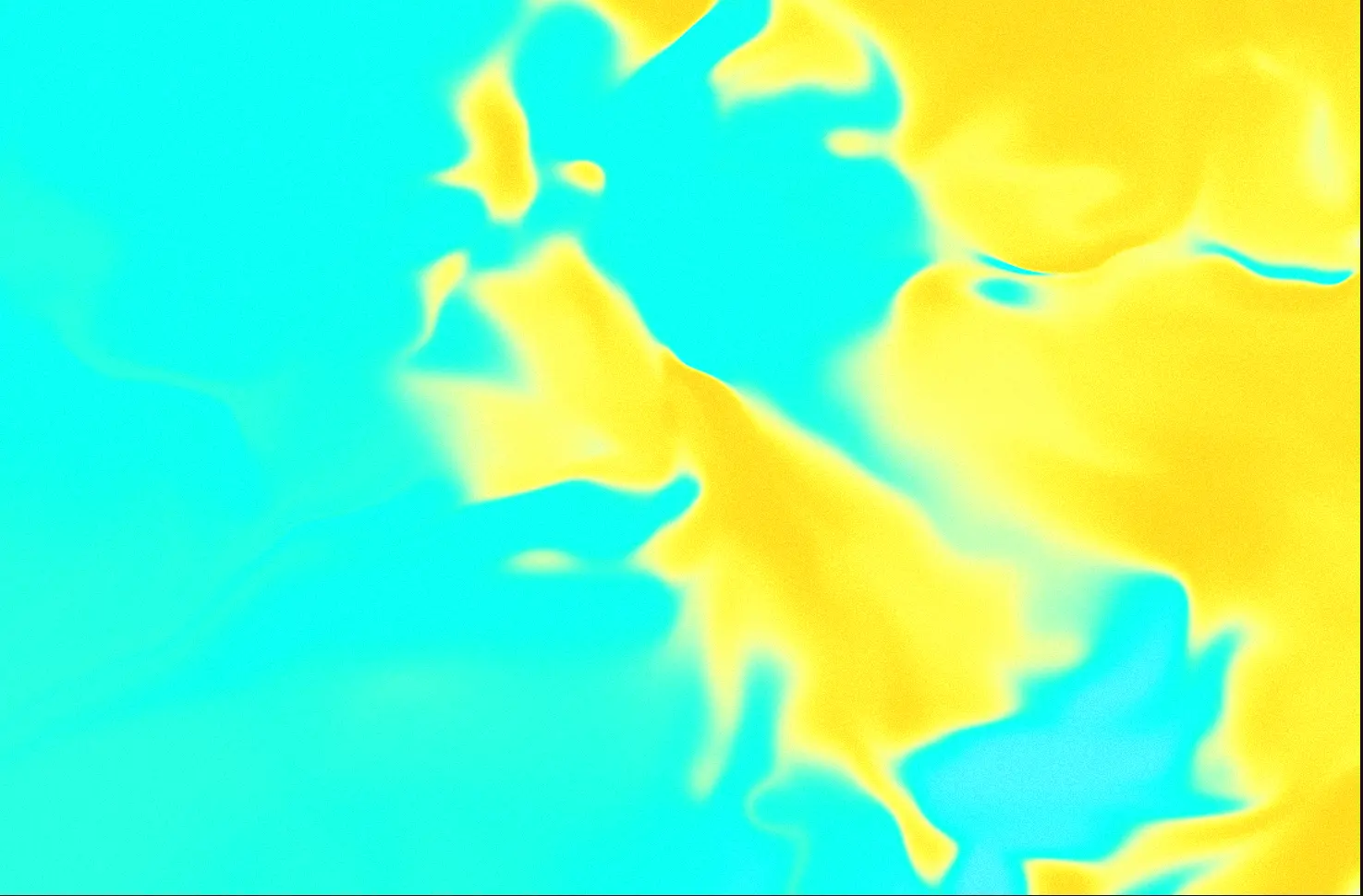
Genuary 30: It's not a bug, it's a feature
Genuary 30 — glitches, artefacts and unexpected behaviour turned into the aesthetic.
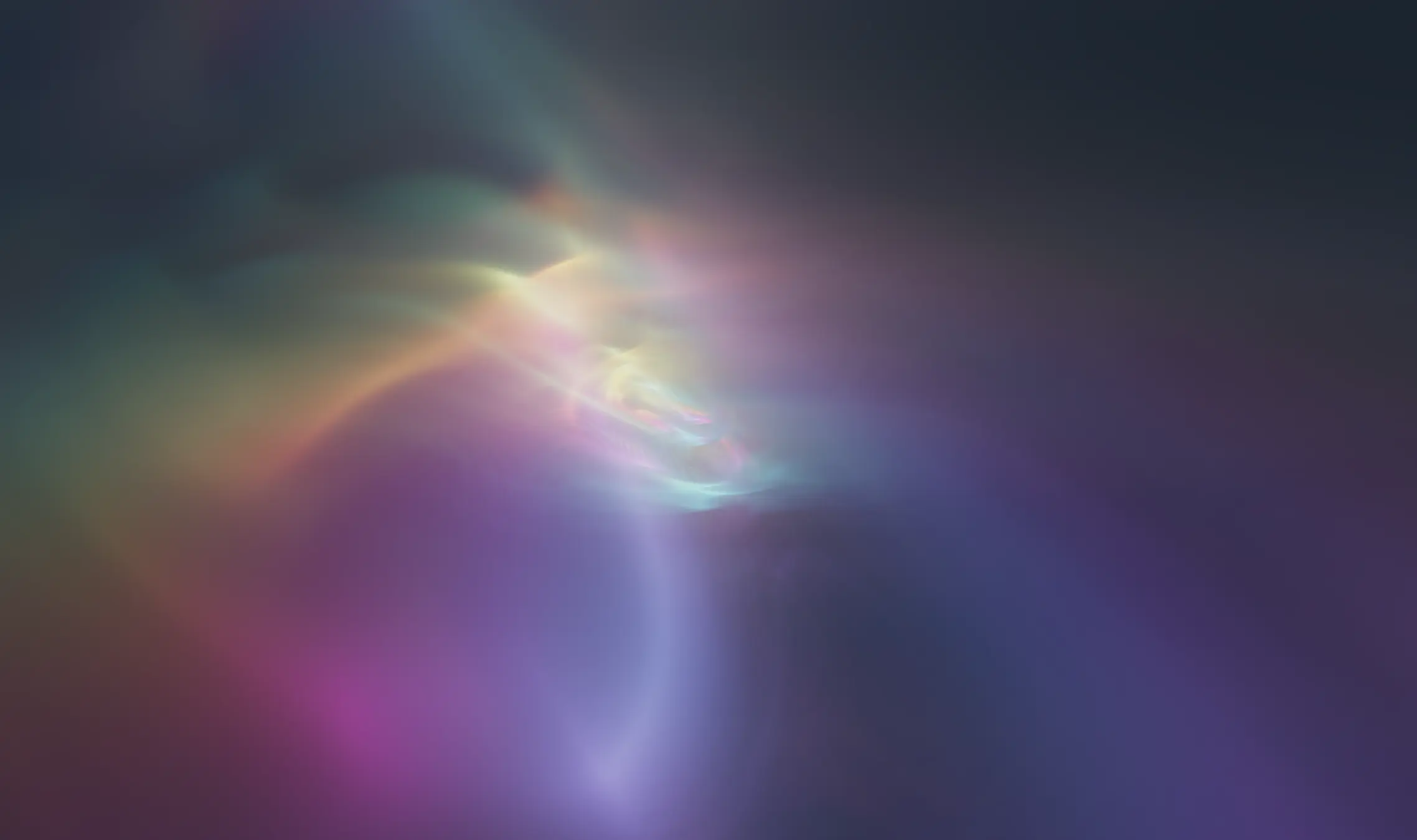
Genuary 31: GLSL day. Create an artwork using only shaders.
Genuary 31 — this was great. Literally every one of my shaders is a shader. A shot from a new series I'm working on called Nebula.
What I learned
Every prompt is an opportunity to learn and grow or be inspired to try something new. Here are some of the things that stuck out to me:
- Raymarching showed up over and over — it's incredibly versatile. Boolean ops, domain repetition, complex lighting. It's a technique that I've been using more and more this year and it's a real joy to work with.
- Constraints spark creativity. One color, one shape, one line, boxes only — each limitation forced different solutions. I've found that this is a really effective way to push myself to explore new techniques and approaches.
- Technique variety matters. Geometric shapes, cellular automata, flow fields, mesh gradients — the prompts pushed me across the full collection. I really enjoyed exploring the different techniques and seeing how they can be combined.
- Shipping daily beats perfection. Some shaders are rougher than others. That's the point. I didn't have time to perfect every one of them, and that's okay.
Massive thanks
Genuary forces you to ship something every day. No time to overthink. Make something, move on. That pressure is valuable — it pushes past "I can't do this" and into "I made something." I'm really grateful to everyone who participated and helped make this year's Genuary a success. It's one of the great events in the creative coding community each year.
Fragments in 2026
Over the last couple of months, I've been thinking about what I'm going to do for Fragments in 2026. In the background, I've been working on some ideas around what new features and content I want to add, but also how the whole thing is structured, presented and offered.
To be brutally honest, I think I made some mistakes on how I marketed things last year, so I want to make some big changes to make sure I'm offering the best possible value to the community.
So, here's the very brief plan:
- Fragments branded as a course — so many people who've joined refer to it as a course, and I think it's a better fit overall.
- Enrollment-based model — open for new signups around four times a year for about two weeks at a time, instead of always-on.
- New content each enrollment period — new techniques, utilities, sketches, configurators, creative coding projects, and more.
- New price - the price will go up naturally as more content is added - of course all existing members get every update for free.
Nothing will change for existing members — you have access to the full collection and all future updates.
The next newsletter will go into the full details, but I wanted to give a heads up that things will be changing soon. Exciting!
Want to unlock the full Fragments collection? Get access to all 11 technique lessons, 40+ workflow enhancing utilities, and complete breakdowns for over 140 sketches — sign up here.